







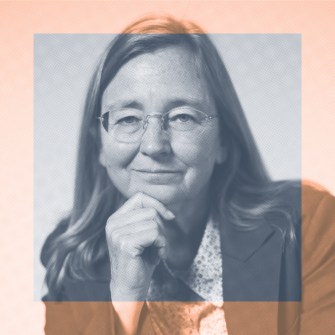

Lisa Feldman Barrett

Lisa Feldman Barrett

lisa feldman barrett

Dr. Lisa Feldman Barrett is among the top 1% most-cited scientists in the world, having published over 250 peer-reviewed scientific papers. Dr. Barrett is a University Distinguished Professor of psychology at Northeastern University with appointments at Harvard Medical School and Massachusetts General Hospital, where she is Chief Science Officer for the Center for Law, Brain & Behavior. She is the recipient of a NIH Director’s Pioneer Award for transformative research, a Guggenheim Fellowship in neuroscience, the Mentor Award for Lifetime Achievement from the Association for Psychological Science (APS) and from the Society for Affect Science (SAS), and the Distinguished Scientific Contribution Award from the American Psychological Association (APA). She is an elected fellow of the American Academy of Arts and Sciences, the Royal Society of Canada, and a number of other honorific societies. She is the author of How Emotions are Made: The Secret Life of the Brain, and more recently, Seven and a Half Lessons About the Brain.
Close-up of a person's face with brown eyes and freckles, next to an abstract blue and white pattern resembling tree branches and lightning.
7 min
A neuroscientist, a psychologist, and a psychotherapist discuss how emotions are stories built from old experiences.
Unlikely Collaborators
A black silhouette with two overlapping human profiles facing opposite directions on a green background.
7 min
Your "social reality" isn’t an absolute reality. A leading neuroscientist explains why.
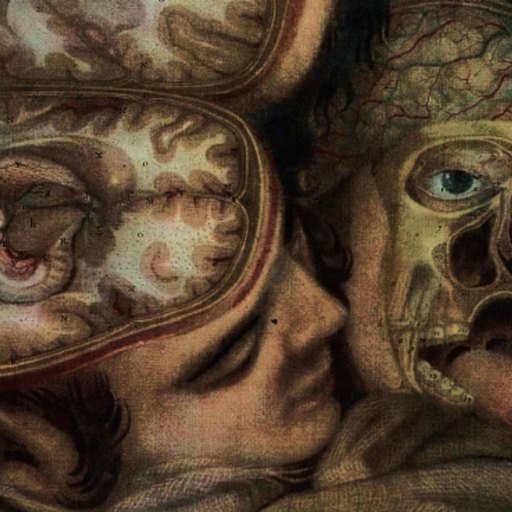
Two detailed anatomical illustrations show human heads: one sliced horizontally to reveal the brain, and the other showing exposed facial muscles, bones, and tissue.
6 min
What sets trauma apart from regular bad experiences? A leading neuroscientist explains.
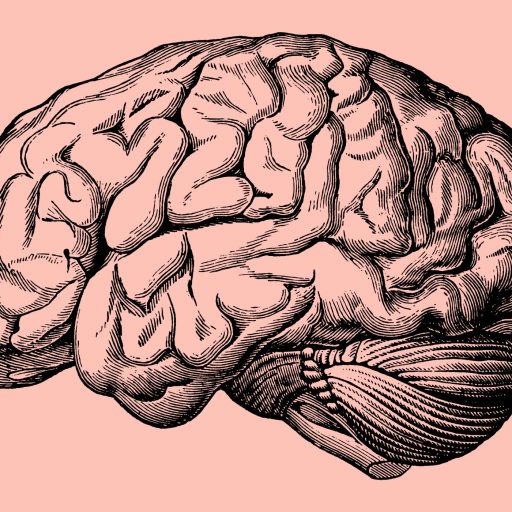
Black and white vintage illustration of a human brain viewed from the side, set against a solid light pink background.
7 min
Plato and Carl Sagan were wrong about the human brain, says a top neuroscientist.
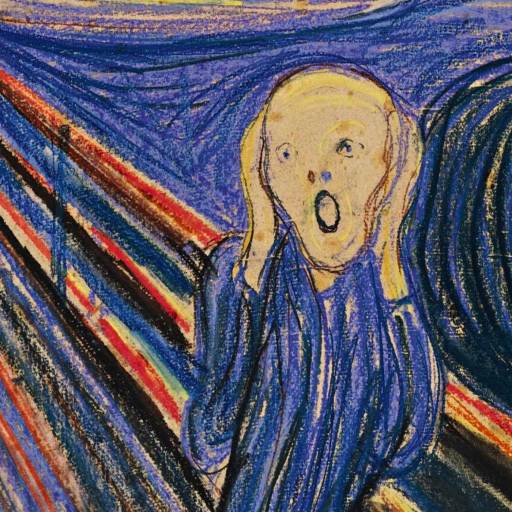
An abstract figure with a pale face holds its head and screams on a bridge, with swirling blue, orange, and black lines in the background.
9 min
No, emotions don’t happen TO you. Here’s what happens instead.
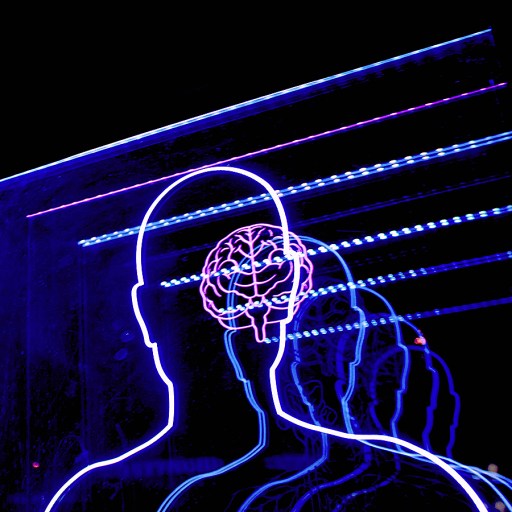
a man's head is projected in blue light.
Forget these scientific myths to better understand your brain and yourself.
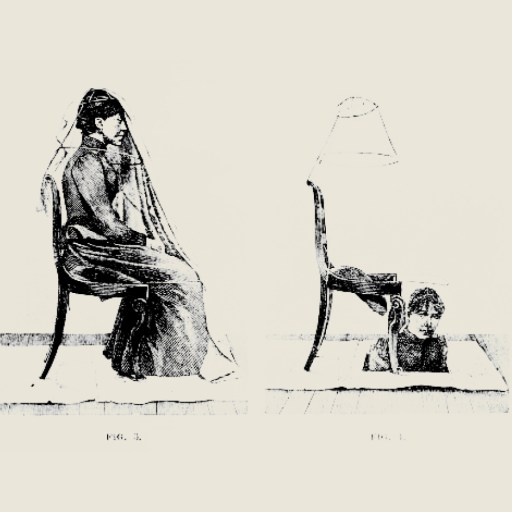
Two black-and-white illustrations blur reality: a woman sits on a chair, while another person’s head unexpectedly emerges through a hole in the floor beneath a nearby chair.
Signals from the environment, such as those detected by your sense organs, have no inherent psychological meaning. Your brain creates the meaning.
John Templeton Foundation