


















Search
Louis Rosenberg
CEO and Chief Scientist, Unanimous AI

Dr. Louis B. Rosenberg is a computer scientist and current CEO of Unanimous AI, a California company focused on amplifying human intelligence using AI algorithms modeled on biological swarms. Rosenberg is known for developing the first functional augmented reality system at Air Force Research Laboratory (AFRL), founding the early virtual reality company Immersion Corporation (NASDAQ: IMMR), and founding the early augmented reality company Outland Research. A prolific inventor, Rosenberg has been awarded over 300 patents worldwide for his work in VR, AR, and AI. Rosenberg earned his PhD at Stanford University and worked as a tenured professor at California State University.
Read Less

"We are racing towards a new era in which we outsource cognitive abilities that are central to our identity as thinking beings," writes computer scientist Louis Rosenberg.

Surprisingly, multimodal large language models struggle to read time on analog clocks.
Conversational AI agents will have a major advantage over human salespeople.

"Mainstream computing will start to shift from a race to develop increasingly powerful tools to a race to develop increasingly powerful abilities."

The first of these devices is already on the market — the AI-powered Ray-Bans from Meta.
Tech entrepreneur Alvin Wang Graylin sketches out a bold new age of AI-led enlightenment underscored by compassion.
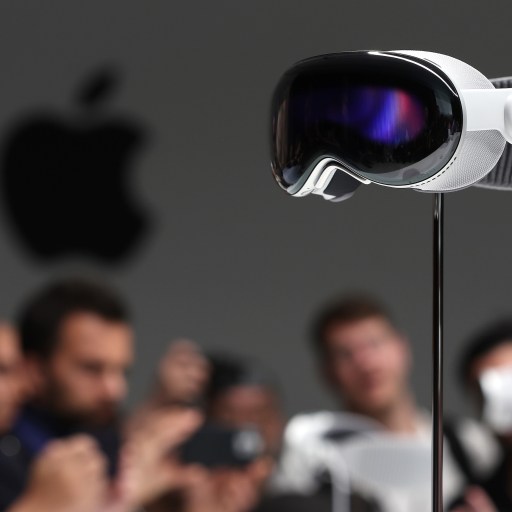
One of Apple's key innovations serves as a psychological breakthrough, as its technology eliminates the isolating feel of headset use.

The danger posed by conversational AI isn't that it can say weird or dark things; it's personalized manipulation for nefarious purposes.
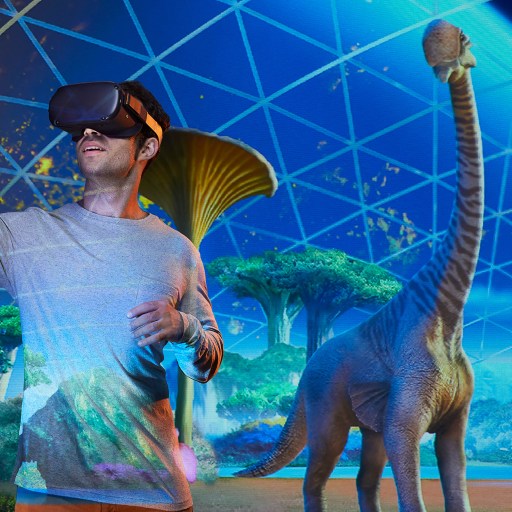
Imagine going on a tour through the human circulatory system as a tiny cell. That is just one example of education in the metaverse.

2023 will see an "arms race" in mixed reality hardware and software. This truly will revolutionize our society.
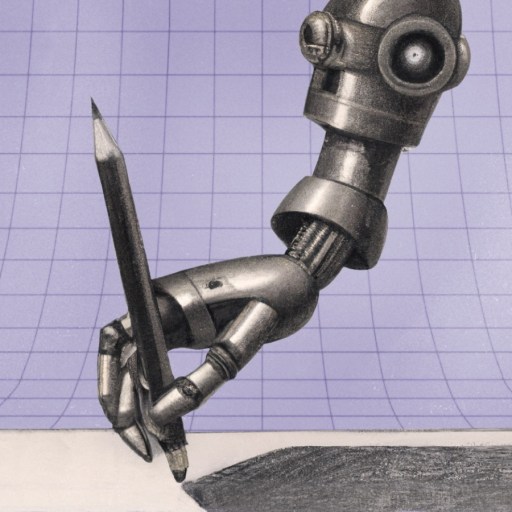
Even lifelong technologists and AI researchers like myself were genuinely surprised by the speed and impact of generative AI.
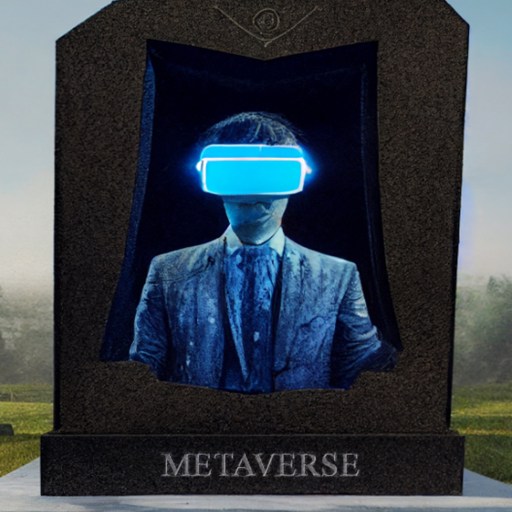
The metaverse is inevitable because it is hardwired into our DNA.
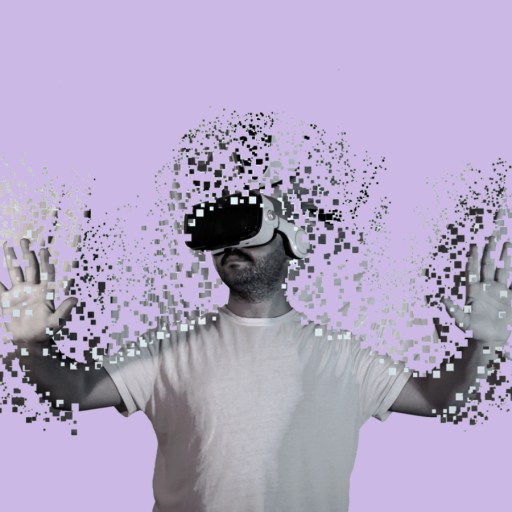
Inside the metaverse, your emotions and physical responses will be monitored, and AI will use that data to influence you in real time. Is that essentially mind control?

The Metaverse could be the most dangerous tool of persuasion humanity has ever created.
Who should be compensated?

Uploading your mind is not a pathway to immortality. Instead, it will create a possibly hostile digital doppelgänger.

For the very first time, an AR contact lens was worn on the eye of a human subject. And it has about 30 times the pixel density of an iPhone.

AI systems can carry on convincing conversations, but they have no understanding of what they're saying. Humans are easily fooled.


The metaverse may leave us perpetually unsure whether the people we encounter are authentic or high-quality fakes.