










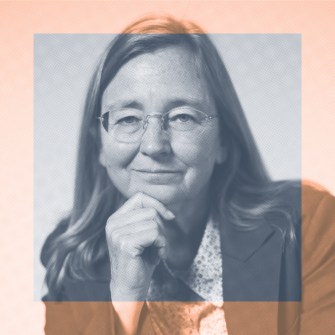


Maria Konnikova
New York Times Best-Selling Author, Journalist and Professional Poker Player

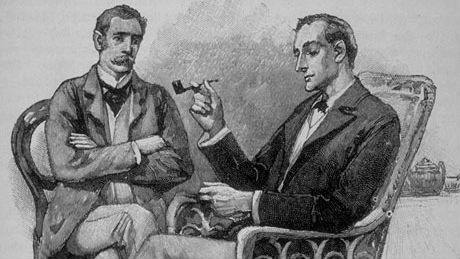
Maria Konnikova is the author of The Biggest Bluff, a New York Times bestseller, one of the Times’ “100 Notable Books of 2020,” and a finalist for the Telegraph Best Sports Writing Awards for 2021. Her previous books are the bestsellers: The Confidence Game, winner of the 2016 Robert P. Balles Prize in Critical Thinking, and Mastermind: How to Think Like Sherlock Holmes, an Anthony and Agatha Award finalist.
Konnikova is a regularly contributing writer for The New Yorker whose writing has won numerous awards, including the 2019 Excellence in Science Journalism Award from the Society of Personality and Social Psychology. While researching for The Biggest Bluff, Konnikova became an international poker champion and the winner of over $300,000 in tournament earnings — and inadvertently turned into a professional poker player. Konnikova’s writing has been featured in Best American Science and Nature Writing and has been translated into over twenty languages.
Konnikova also hosts the podcast The Grift from Panoply Media, a show that explores con artists and the lives they ruin. Her podcasting work earned her a National Magazine Award nomination in 2019.
She graduated from Harvard University and received her Ph.D. in psychology from Columbia University.