














Maria Schneider
Jazz Composer
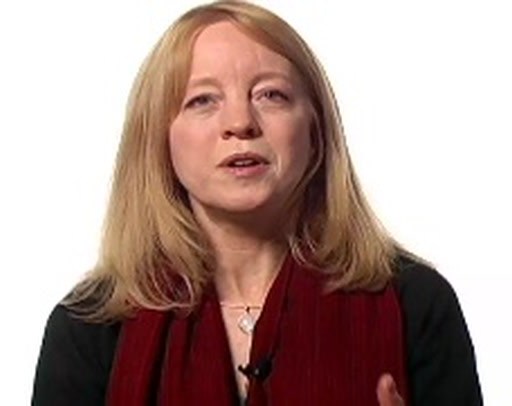
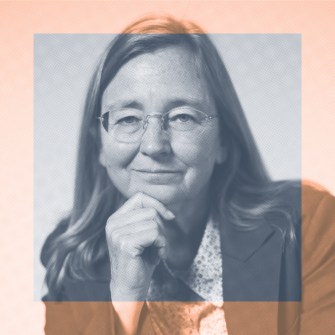
Maria Schneider is a Grammy Award-winning American composer. Born in Windom, Minnesota, she became widely known through the orchestra she founded in 1992. They appeared at Visiones in Greenwich Village every Monday night for a stretch of five years. The Maria Schneider Orchestra has since performed at festivals and concert halls worldwide, and she herself has received numerous commissions and guest-conducting invites, working with over 80 groups from over 20 countries.
Schneider's debut recording, Evanescence, was nominated for two 1995 Grammy Awards. Her most recent recordings have brought two Grammy Awards, the first for 'Concert in the Garden' (Best Large Ensemble Album; the first record to win a Grammy with Internet-only sales) and the second for 'Cerulean Skies' (Best Instrumental Composition). Schneider's most recent work, 'Carlos Drummond de Andrade Stories,' was commissioned by the Saint Paul Chamber Orchestra for soprano Dawn Upshaw. She is currently working on a piece commissioned by the Kronos Quartet for a 2010 premier.