










Search
Megan Erickson
Associate Editor, Big Think
Megan Erickson is an Associate Editor at Big Think. Prior to Big Think, she taught reading and writing to ninth and tenth graders in NYC public schools and tutored students of all ages at the Stuyvesant Writing Center, which she helped launch. In her spare time, she worked in the communications department at the Center for Constitutional Rights and served as a mentor at the Urban Assembly, where she designed and led an extracurricular civics course on grassroots community action. She’s written on education, small business, and the arts for CNNMoney, Fortune Small Business, and The Huffington Post. Megan received her master’s degree in Education from Teachers College. You can reach her at megan@bigthink.com.
Read Less

Do holiday sales make your palms sweat with anticipation? That's because they're designed to. “There's a very, very deep art and science to pricing," says Lee Eisenberg, author of Shoptimism. Watch as he explains the tricks of the trade and how you can avoid them.

“We are at the cusp of a revolution in medicine and biotechnology that will radically increase not just our life spans but also, and more importantly, our health spans," says Sonia Arrison, author of 100: How the Coming Age of Longevity Will Change Everything.

What's the difference between a Jackson Pollock painting and a finger-painting? Why is "The Magic Flute" so enduring, while other classical compositions have been forgotten? Leon Botstein, the dean of Bard College, examines what we're talking about when we talk about art.
"All of the cells in the body have this potential to make other kinds of cells. This has led to the discovery of human embryonic stem cells and other stem cells, which we’d now like to use to replace tissue and body parts," says Dr. Douglas Melton.
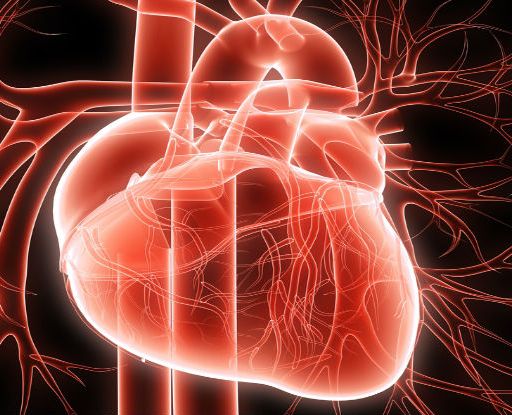
In the 21st century, biology will usher in advances in regenerative medicine. Stem cells will be at the center of discovery and application in that new field.
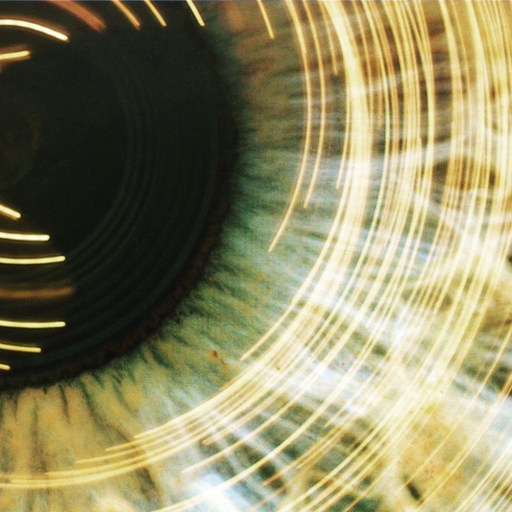
"Consciousness of course is one of the largest questions of brain structure and function. And we approach it now perhaps differently than we have in the past with our new tools. But I’m not convinced that we understand it any better," says Joy Hirsch.

In honor of that award, we're republishing a segment from our October interview with Abed, in which he talks about what women and girls can teach the world.