













Search
Megan Erickson
Associate Editor, Big Think
Megan Erickson is an Associate Editor at Big Think. Prior to Big Think, she taught reading and writing to ninth and tenth graders in NYC public schools and tutored students of all ages at the Stuyvesant Writing Center, which she helped launch. In her spare time, she worked in the communications department at the Center for Constitutional Rights and served as a mentor at the Urban Assembly, where she designed and led an extracurricular civics course on grassroots community action. She’s written on education, small business, and the arts for CNNMoney, Fortune Small Business, and The Huffington Post. Megan received her master’s degree in Education from Teachers College. You can reach her at megan@bigthink.com.
Read Less

It's unusual for a website to charge for its services, admits Lynda Weinman, but the fee "allows us to have a sustainable business model where we can pay contributors." Her approach represents a compromise between the open ideals of the web and the financial needs of the people who fill its pages.

What’s the Big Idea? As the Assistant Secretary of Education in the first Bush administration, Educational historian Diane Ravitch became known for her push to establish national standards for K-12 […]

According to the online community that has formed in opposition to the legislation, it amounts to online censorship. But is the controversy really about free speech, or is it just another showdown between rich and powerful Hollywood, and even richer and more powerful Silicon Valley? How will SOPA and PIPA affect everyone?

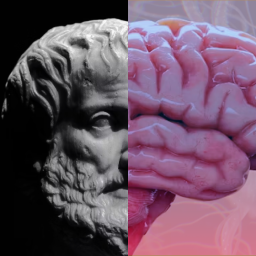
Are we born with a sense of morality?

What’s the Big Idea? In a 2011 interview, physicist Stephen Hawking declared, “I regard the brain as a computer which will stop working when its components fail.” Of course, the […]

Once they’re gone, mammalian arms and legs can't ever be restored. But if you cut off a salamander's leg it will reappear in just a few weeks. The enigma of amphibian organ regeneration has long puzzled scientists. Now, a new wave of scientists hopes to put it to use.
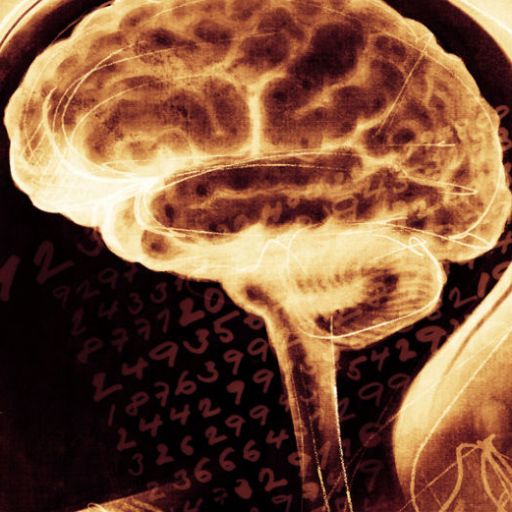
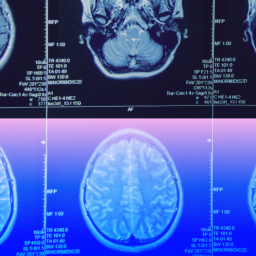
The social contract is clear: if you commit a violent crime, you go to prison. But what if you commit a violent crime because you have a brain tumor in a region of the brain that controls good judgment?