









Search
Mo Costandi

Moheb Costandi is a freelance science writer based in London. His work has been published in Nature, Science, Scientific American, The Guardian, and New Scientist, among other publications. His latest book is Body Am I: The New Science of Self-Consciousness (MIT Press, October 2022). He also authors the blog Neurophilosophy. Follow him on Twitter @mocost.
Read Less
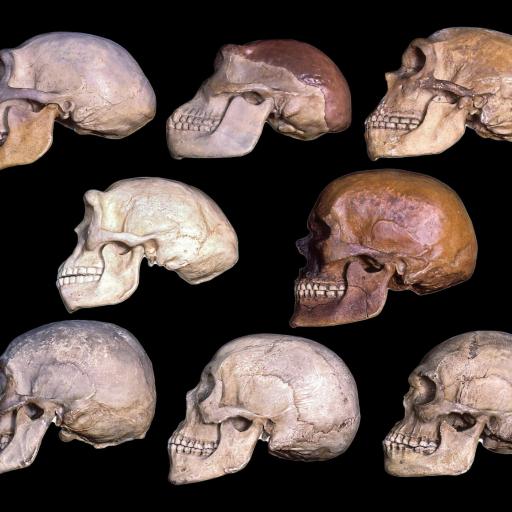
New research challenges old assumptions about the evolution of the human brain.
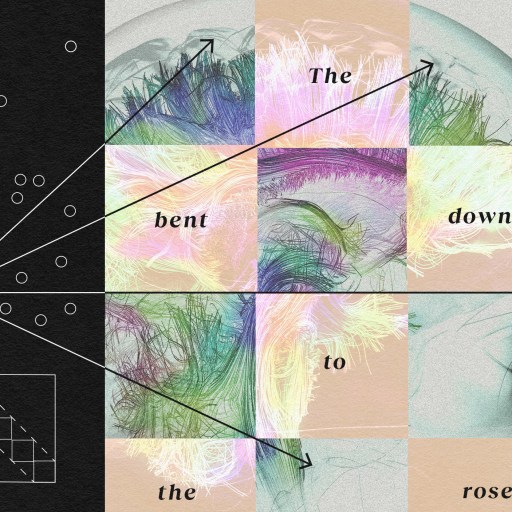
The findings show that even small areas in the brain may have the potential to represent complex meanings.
Recent research sheds light on how the brain overgeneralizes fear, causing people to be afraid of harmless situations.
People who die by suicide are more likely to have reduced levels of the NPAS4 gene, which helps regulate inflammation in the brain.
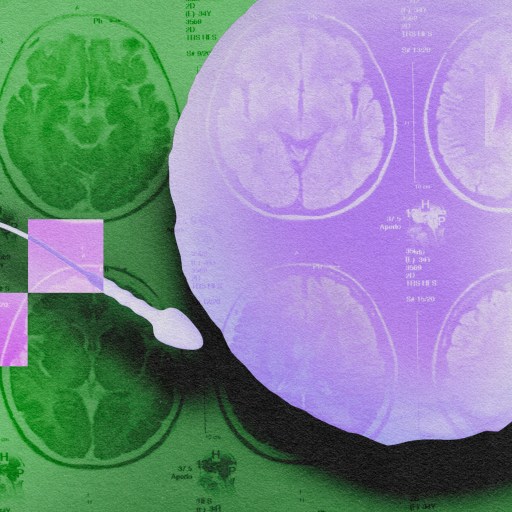
Could subfertility be an under-explored factor in autism risk?

Even before birth, our brains are taking note of the languages we hear.

While executive function matures between 18 and 20 years of age, the brain keeps changing long afterward.

Lucid dreamers may have “privileged access to their inner world,” with “heightened awareness... to the outside world.”

What a long strange trip it's been.

Goalkeepers have an enhanced ability to integrate auditory and visual information compared to other players.

Only about 10% of patients survive cardiac arrest. Of the ones who do, many have amazing stories to tell.

Chronic pain is often driven by brain processes that can be reprogrammed.

Language influences how you visually process the world, which in turn influences your memory of it.
A high-fat diet might trigger inflammation of the hypothalamus.
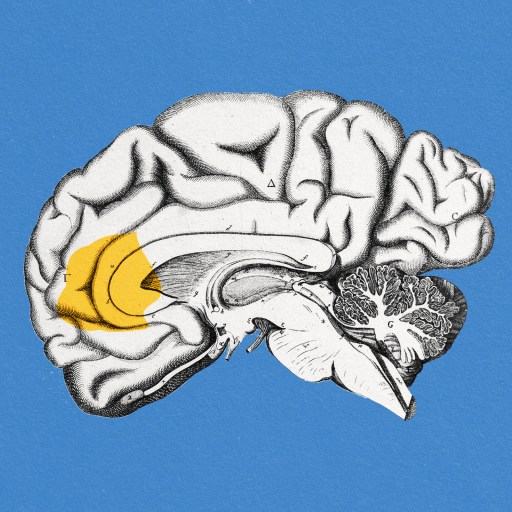
The structure is fully developed in humans, partially developed in chimps, and completely absent in Old World monkeys.

Your heart rate reveals your brain activity, which in turn can predict hit songs — and maybe stock performance, as well.
Will we ever unravel the mystery of consciousness? Two academics made a 25-year bet on it. The scientist lost.
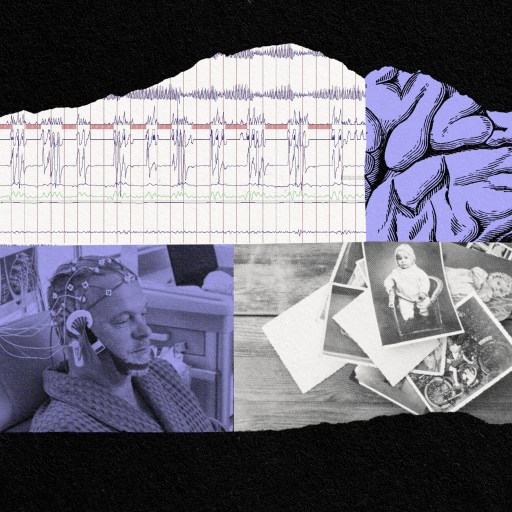
Synchronized activity between the hippocampus, prefrontal cortex, and thalamus plays a role in memory consolidation.
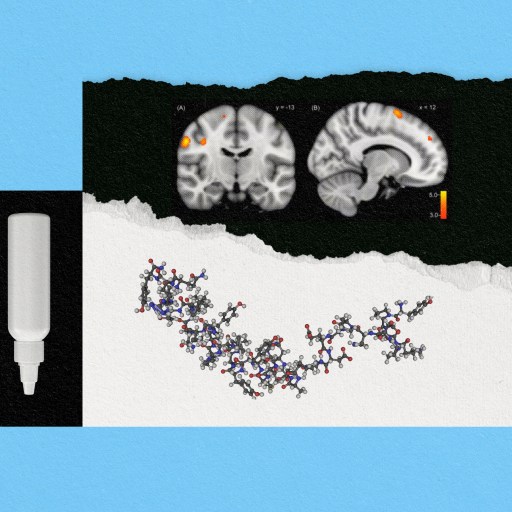
In the ongoing battle against PTSD, a potential new weapon emerges: a nasal spray loaded with neuropeptide Y.