






Search
Paul Bloom
Professor of Psychology
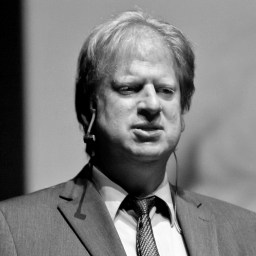
Paul Bloom is the Brooks and Suzanne Ragen Professor of Psychology at Yale University. An internationally recognized expert on the psychology of child development, social reasoning, and morality, he has won numerous awards for his research, writing, and teaching. Bloom’s previous books include Just Babies: The Origins of Good and Evil and How Pleasure Works: The New Science of Why We Like What We Like, and he has written for Science, Nature, The New York Times, and The New Yorker.
Read Less
4mins
Kids don’t always make you happier. Here’s why people have them anyway.
John Templeton Foundation
5mins
There are two kinds of suffering. One is pure pain. The other makes life worth living.
John Templeton Foundation
4mins
Yale psychologist Paul Bloom has views on empathy, emotion, and rationality that make him a black sheep among his peers.
8mins
Oasis had it right: stop crying your heart out. Psychologist Paul Bloom argues that empathy may be working against our best interests, and that compassion may be a better strategy.
4mins
Empathy moves us, but it may move us to make an unethical decision. Conversely, says Bloom, dehumanization is not the ultimate evil we typically assume it to be.
5mins
The ranking of empathy from highest to lowest goes liberals, conservatives, libertarians. But the difference is minor, says Paul Bloom. Typically the debate isn’t all over whether or not to empathize – it’s over who to empathize with.
48mins
Through the case studies of compassion, racism, and sex, Dr. Bloom explores the intrinsic fundamentals of human nature.
2mins
What does primate pornography tell us about human nature?
2mins
So much of the action in psychology has been a running debate over which view is right.

2mins
Paul Bloom has researched everything from religion and moral reasoning to children’s understanding of fiction and art. What’s the most unusual project he’s working on now?

6mins
Paul Bloom argues that human pleasure is “deep”—that is, rooted in what we see as the essence of objects and people.

2mins
What abilities do our brains lose after childhood? Developmental psychologist Paul Bloom explains.
6mins
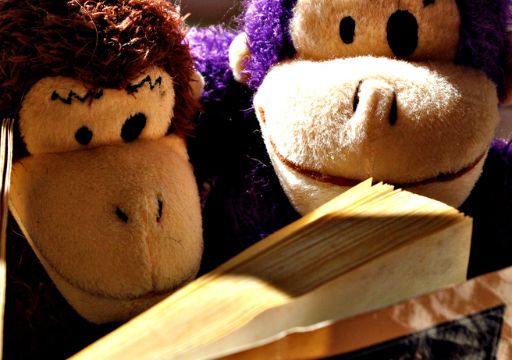
What explains the universal human love of fiction, even horror fiction? Paul Bloom believes it’s an evolved preference that helped our ancestors survive a variety of real-world scenarios.
4mins
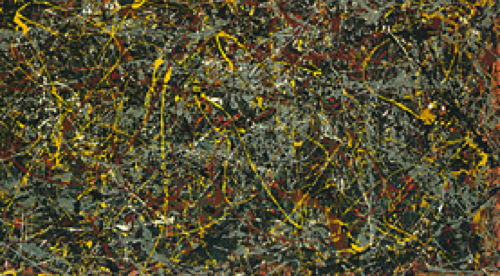
Children’s appreciation of art and artistic intent is far more sophisticated than psychologists once believed. In fact, we may all start out as little Pollocks.
3mins
Recent experiments suggest that triggering humans’ disgust instinct can alter their moral reasoning about everything from homosexuality to war.
5mins
Psychologist Paul Bloom believes we are not one inner self but many. How does this affect our concepts of identity and morality?

5mins
According to Paul Bloom, many religious notions arise out of innate features of our brains, including the tendency to “see consciousness all over.”
2mins
Psychologist and father Paul Bloom studies early childhood development. How does he meet the challenges of working with young kids?