















Peter Rogers

Peter Rogers

peter rogers

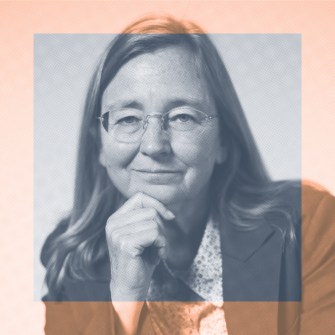
Dr. Peter Rogers grew up milking cows and building barns. This provided him the transferable skills necessary for a smooth transition into academic research. Three years of genetics research led to six years of immunology research, which led to a PhD from Auburn University. That led to three and half years of instructional design research at Tufts University School of Medicine.

His expertise includes biomedical sciences & technology, social determinants of health, bovine birthing, training & development, and cognitive psychology. He’s taught dozens of university courses, ranging from Principles of Biology to Advanced Medical Immunology. He is currently co-writing a book with his father, George Rogers, called How to Correctly Hold a Flashlight: A Disagreement in Academic and Agricultural Perspectives.
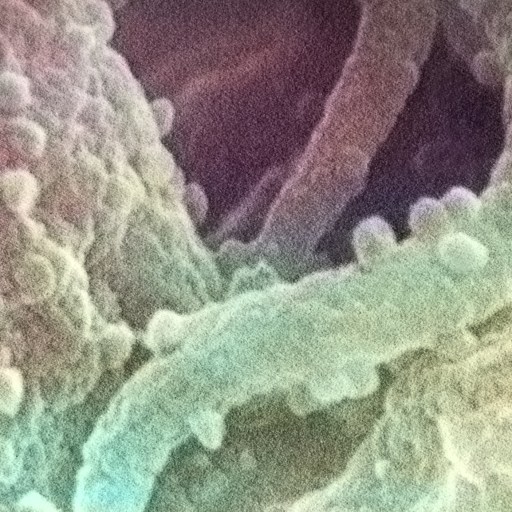

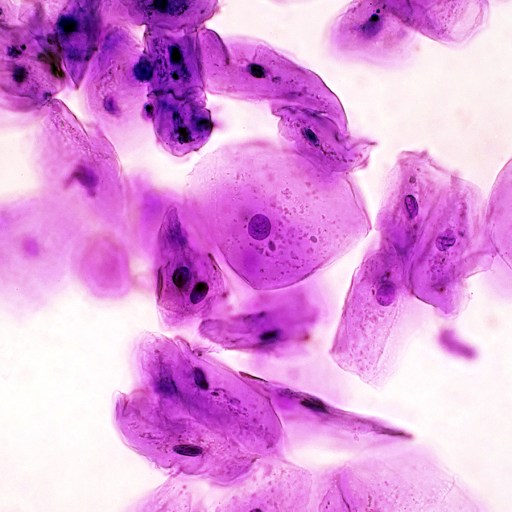
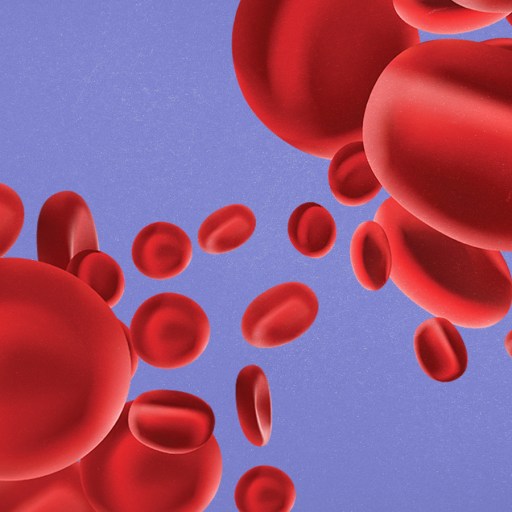
A close up image of a cell exhibiting immune resilience.
People with higher immune resilience live longer, resist diseases, and are more likely to survive diseases when they do develop.
An image displaying the periodic table of elements.
Cancer cells hoard iron in unusually high quantities. Scientists have discovered how to leverage this to create safer cancer drugs.
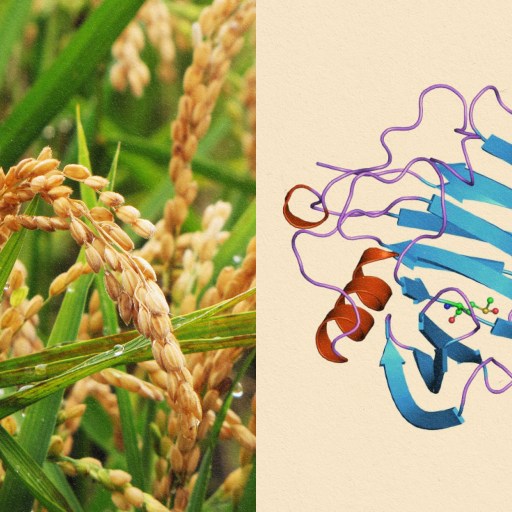
A comparison of two rice plants focusing on their immunity.
The technology could yield "made-to-order resistance genes" to protect crops against pathogens and pests.
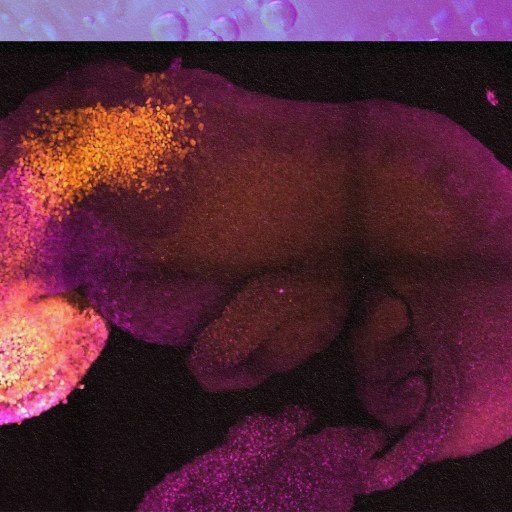
Someday, scientists could use stem cells to guide the development of synthetic organs for patients awaiting transplants.
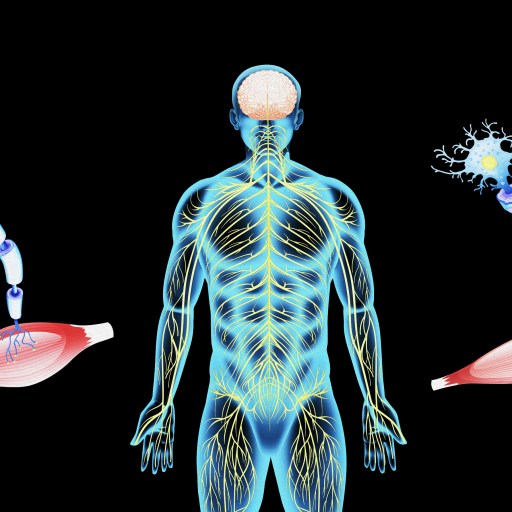
a diagram of the human body and its structures.
"Domesticated viral genes" may not be domesticated as scientists thought.
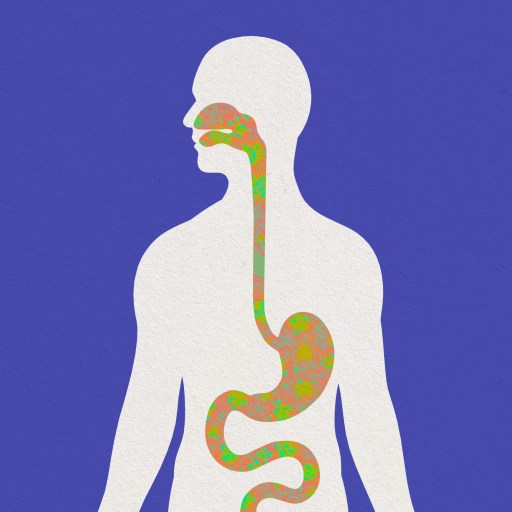
a drawing of a man with his gut microbiome highlighted.
A secret to a long, healthy life may lie in the diversity of gut viruses, which can supercharge bacterial metabolism and resist disease.
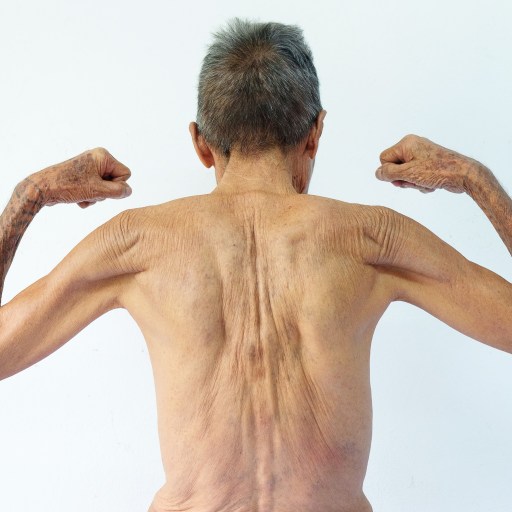
an old man flexing
It’s safe to use your face cream, as long as you aren’t eating it.