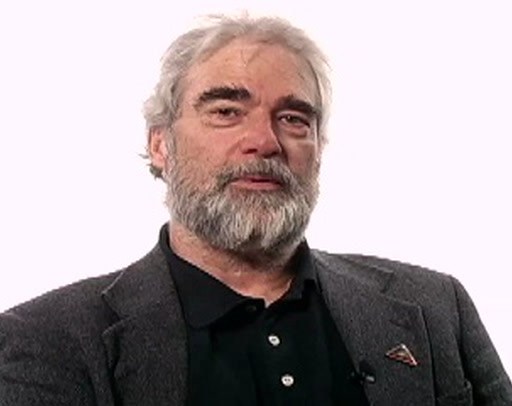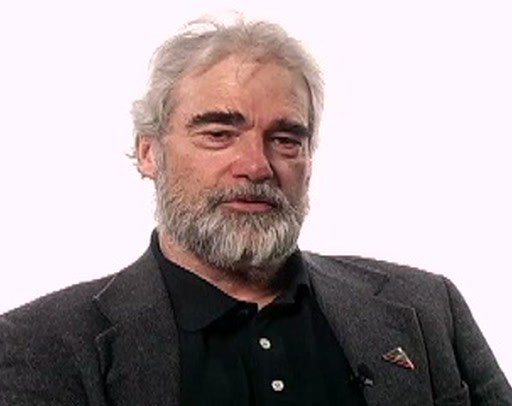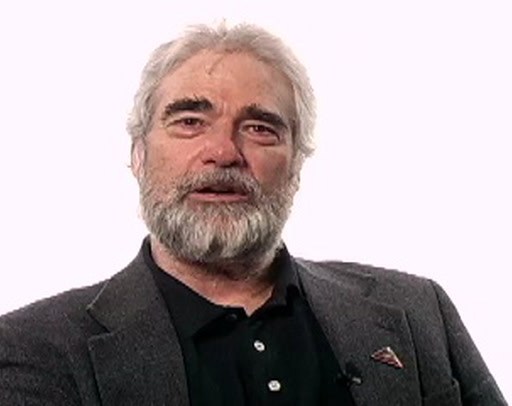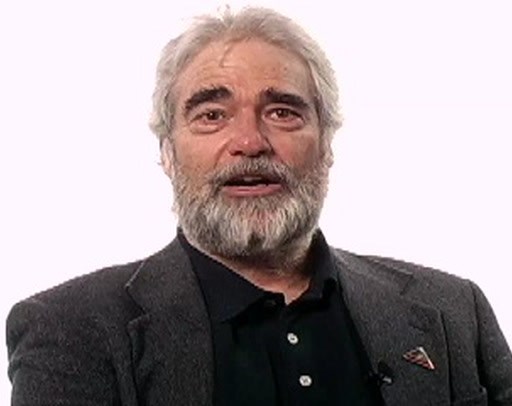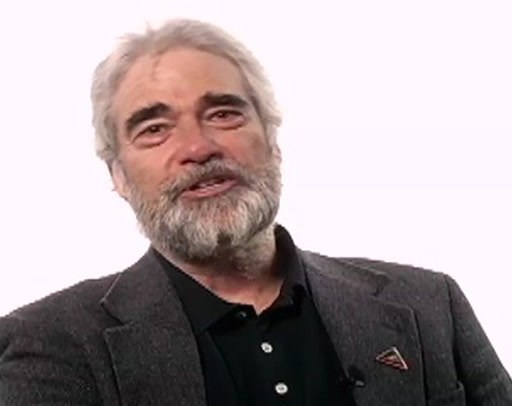











Peter Ward
Professor, Sprigg Institute of Geobiology, The University of Adelaide
Peter Ward conducts his research within The Environment Institute's Sprigg Geobiolgy Centre at the University of Adelaide.
Peter Ward has been active in Paleontology, Biology, and more recently, Astrobiology for more than 40 years. Since his Ph.D. in 1976, Ward has published more than 140 scientific papers dealing with paleontological, zoological, and astronomical topics.
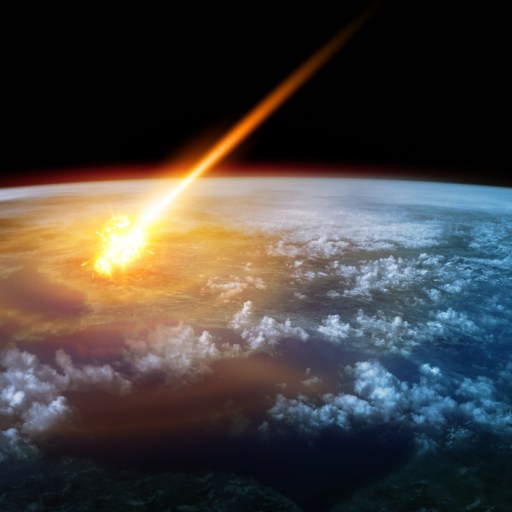
He is an acknowledged world expert on mass extinctions and the role of extraterrestrial impacts on Earth. Ward was the Principal Investigator of the University of Washington node of the NASA Astrobiology Institute from 2001-2006, and in that capacity led a team of over 40 scientists and students. His career was profiled by the Pulitzer Prize winning reporter William Dietrich in The Seattle Times article "Prophet, Populist, Poet of Science."
Peter has written a memoir of his research on the Nautilus for Nautilus magazine's "Ingenious" feature entitled "Nautilus and me. My wonderful, dangerous life with the amazing Nautilus."
His books include the best-selling "Rare Earth: Why Complex Life Is Uncommon in the Universe" (co-author Donald Brownlee, 2000), "Under a Green Sky: Global Warming, the Mass Extinctions of the Past, and What They Can Tell Us About Our Future" (2007), and "The Medea Hypothesis: Is Life on Earth Ultimately Self-Destructive?" (2009).