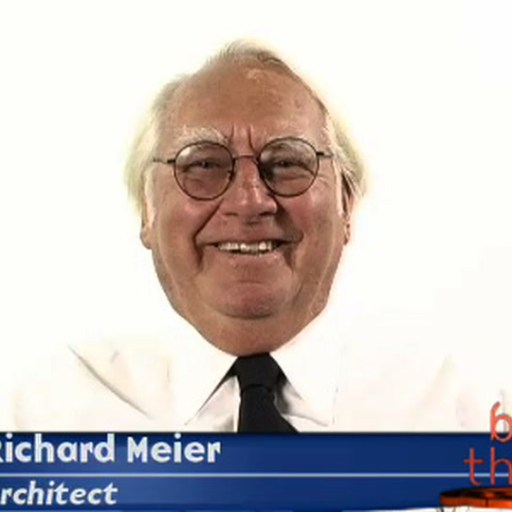








Richard Meier

Richard Meier

Architect

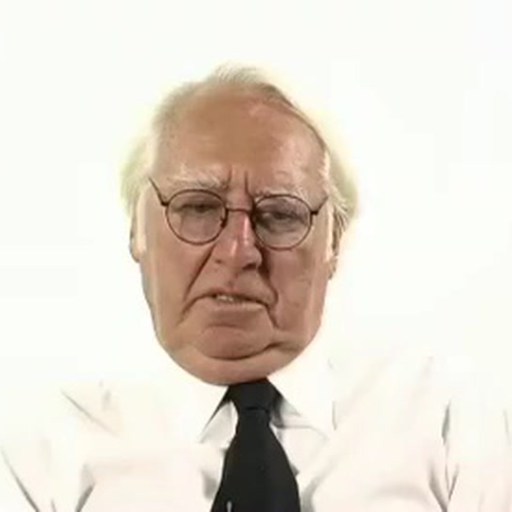
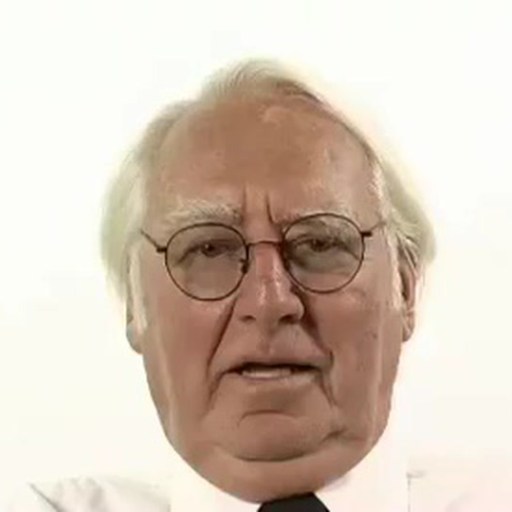
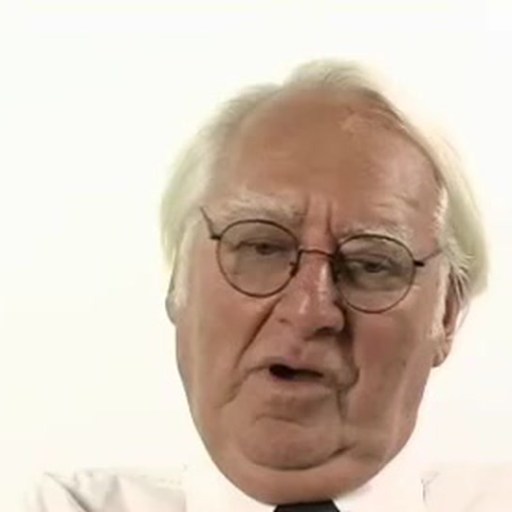
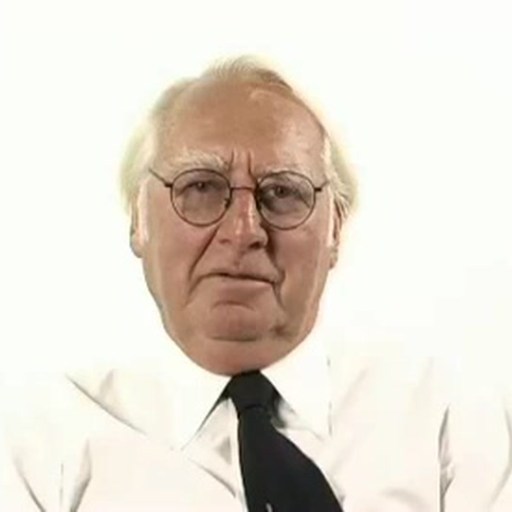
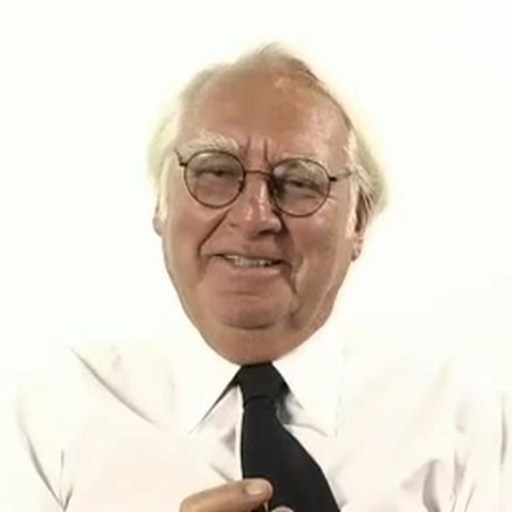
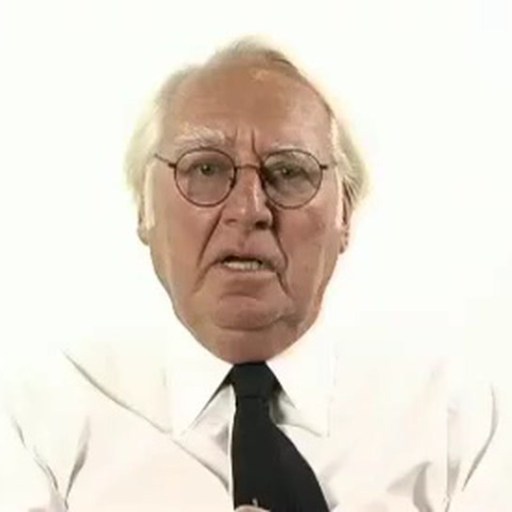
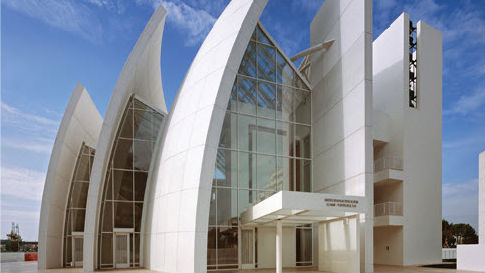
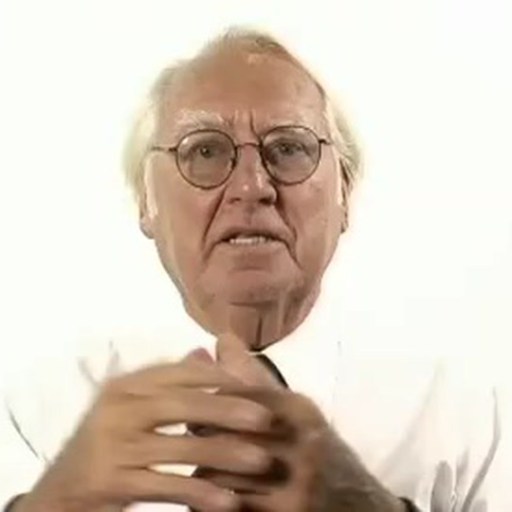
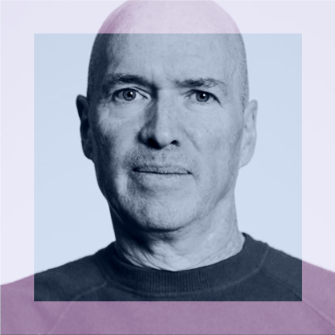
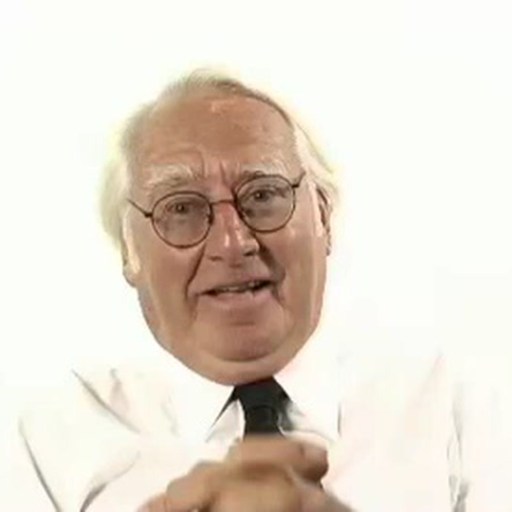
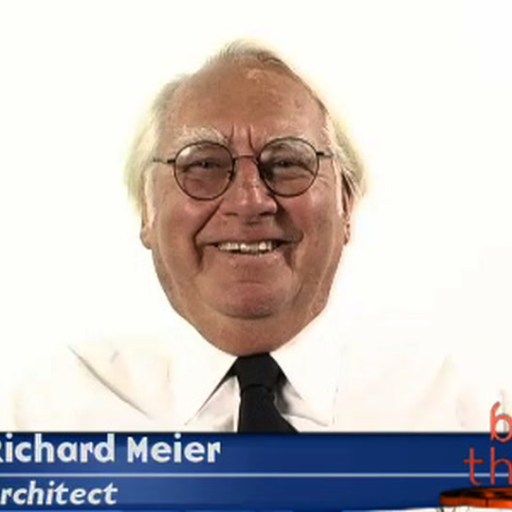
Richard Meier is one of the foremost contemporary American architects. In 1984 at the age of 49, Meier was awarded the Pritzker Architecture Prize, often referred to as the Nobel of architecture. He was the youngest architect to receive the profession's highest accolade. Meier is known for resisting trend-based designs, instead developing his own design philosophy rooted in rationalism and noted for its use of the color white. His designs can be seen as Neo-Corbusian, referencing the famous French architect's early phase in particular. Meier has also named Frank Lloyd Wright as another major influence. Perhaps his most famous design is The Getty Center, a Los Angeles art museum funded by the J. Paul Getty trust. Meier was born in Newark, New Jersey, and educated at Cornell University.
1mins
Richard Meier discusses when an architect can chart their own course.
Meier has an interesting historical analogy.
2mins
Direct interaction could save us a lot of trouble.
Without a doubt, the future of architecture is bright according to Richard Meier.
2mins
Meier recalls his grandmother’s example.
1mins
Richard Meier has praise of the international section of the Times.
The work America needs to do to re-establish itself is great.
2mins
Balancing an idea with its context is a vital step, says Richard Meier.
1mins
Painting and sculpture are constant inspirations for Richard Meier.
1mins
Architects are optimistic by nature.
1mins
An international market makes new discoveries possible.
It is a profession that can take too much time away from family life.
1mins
Meier talks about the joys of design.
1mins
Architecture, Meier says, is the greatest of the arts.
4mins
The computer has enabled certain kinds of drawings and certain kinds of forms to evolve that were not conceivable in terms of making architecture when things were drawn.
2mins
Meier decided on his profession at 14.
1mins
Richard Meier discusses the work of Le Corbusier and Frank Lloyd Wright.
2mins
Richard Meier cannot think up a new explanation for his use of white.