




Search
Ross Pomeroy
Editor, RealClearScience

Steven Ross Pomeroy is the editor of RealClearScience. As a writer, Ross believes that his greatest assets are his insatiable curiosity and his ceaseless love for learning. Follow him on Twitter @SteRoPo.
Read Less
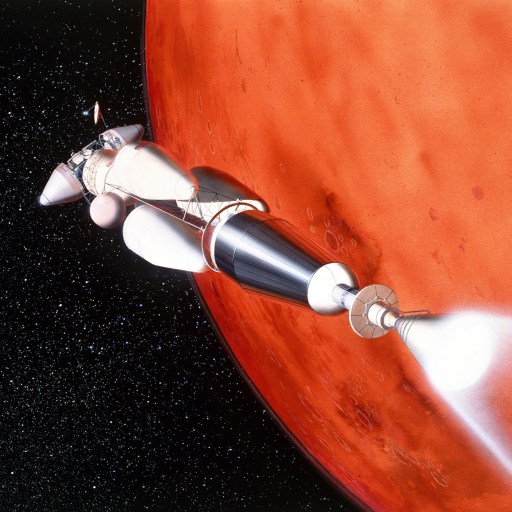
"Think of it like a transcontinental railroad — not the fastest way to move a lot of mass, but certainly the most efficient,” Jared Isaacman said about nuclear electric propulsion.
Behind the plateau in corporate AI lies a surge in personal and agentic use.

Despite the claims of speed reading apps and programs, you actually have to read the book if you want to learn.
A conversation with neuroscientist Erik Hoel about the future of consciousness research.
A universal signature could make surgeries safer — and help reveal what holds consciousness together.

Nuclear chemist Tim Gregory joins Big Think to make the case that nuclear energy can still transform the world for the better.
For his new book, “The Ghost Lab,” Matt Hongoltz-Hetling spent time with paranormal investigators to understand their relationship with science and society.
Locked inside their minds, thousands await a cure. Neuroscientist Daniel Toker is racing to find it.
Science writer Matt Ridley joins us to discuss how “Darwin’s strangest idea” makes us all a bit feather-brained (in a good way).
In his new book, the popular science writer tells the story of how scientists discovered the “gaseous ocean” we all swim in — and the trillions of invisible life forms we share it with.

Timothy Caulfield, a leading science communicator, discusses the challenges of combatting misinformation in an age of information overload.
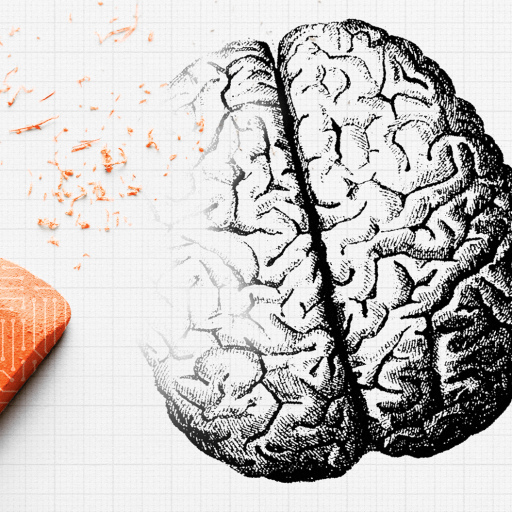
"Ultimately, the choice rests with each individual: whether to take the convenient route of allowing AI to handle our critical thinking, or to preserve this essential cognitive process for ourselves."

People who've never been partnered tend to be less extraverted, less conscientious, and more neurotic.
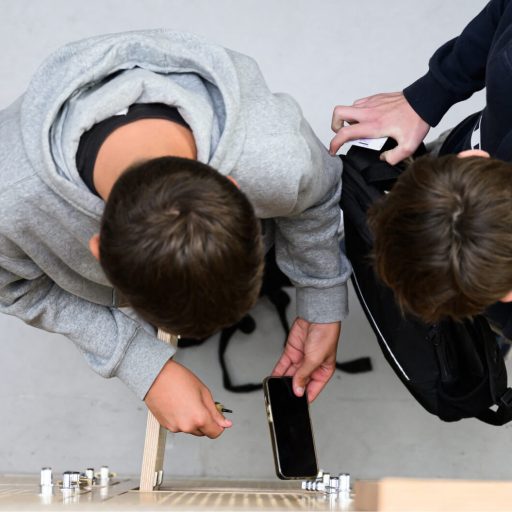
In many ways, the rising anti-phone fervor in schools mirrors moral panics of the past.

One alchemist's search for a whiz-bang method to produce gold unlocked the central science instead.

"Carl faced his death with unflagging courage and never sought refuge in illusions."
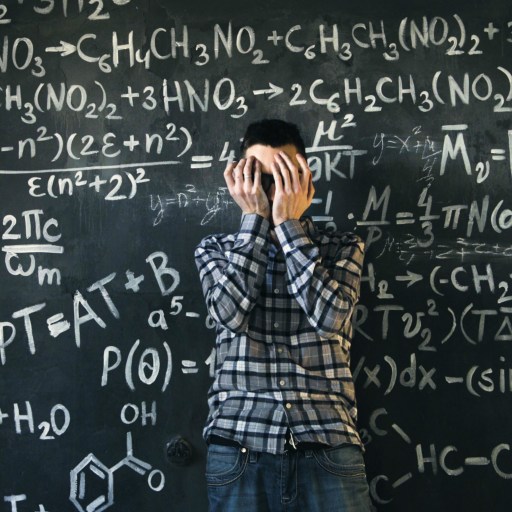
Confronting your "absolute stupidity" is a sign you're on course to learning something new and wonderful.
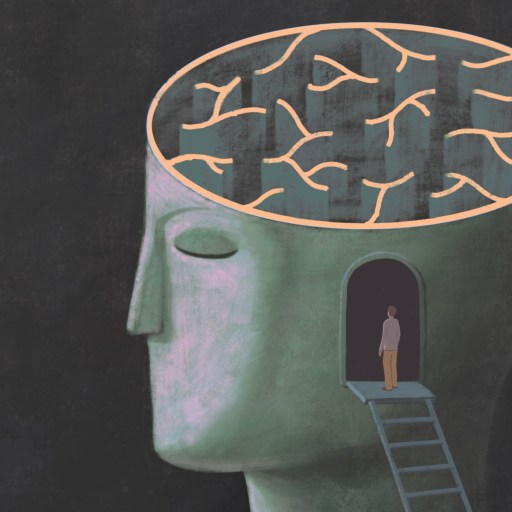
When appraising human behavior, people tend to forgo the lessons of psychology in favor of assumption and anecdote.

A survey of more than 6,000 of the world's richest, most influential people shows that 9% of them attended Harvard University.

And can we run the grid of the future without AI?