












Search
Saga Briggs

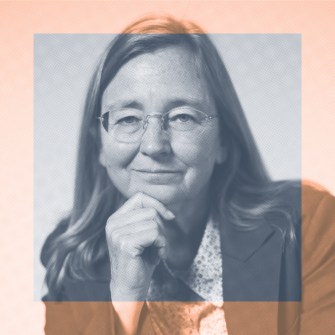
Saga Briggs is a freelance journalist. Her articles on interoception and psychedelics have been published by Scientific American, Aeon+Psyche, and DoubleBlind Magazine. She is the author of How to Change Your Body: The Science of Interoception and Healing Through Connection to Yourself and Others (Synergetic Press, 2023).
Read Less
A look inside Mindstate Design Labs' effort to design drugs that reliably produce specific states of mind.

Our brains cling to the bad. This method could help balance the scales.

A powerful psychedelic long used in African rituals shows surprising promise for treating traumatic brain injury and PTSD.
When your life’s truth and the reality you live become out of sync, you risk falling into an "anxiety spiral."
“Can we push these cells to do something other than what they normally do?" asks developmental biologist Michael Levin. "Can they build something completely different?”
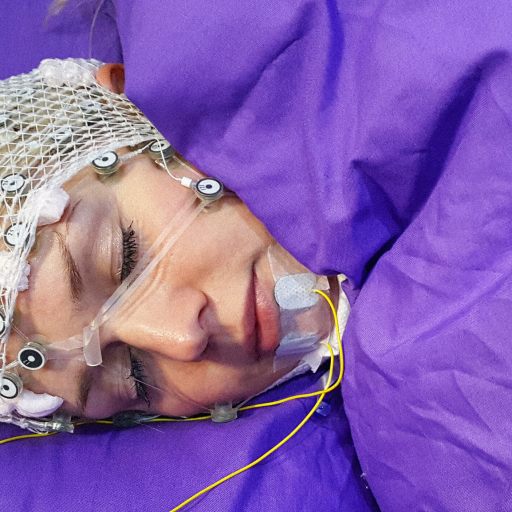
"The amount of interest is enormous," says anesthesiologist Boris Heifets. "People are dropping in and coming out of the woodwork, trying to understand how to do this."
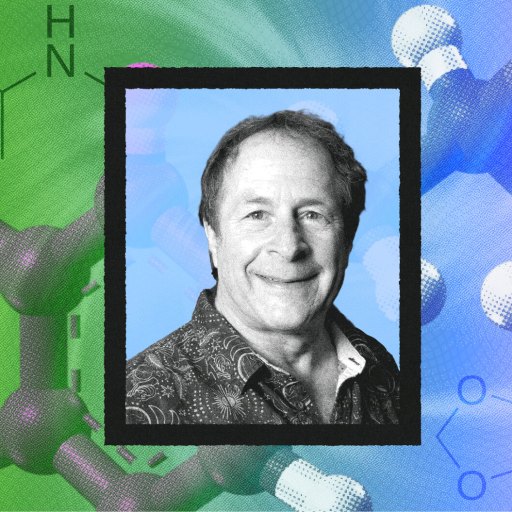
MAPS founder Rick Doblin speaks to Big Think about the FDA’s rejection of MDMA therapy and the future of psychedelic treatments.

Meet the scientist mixing mentalism with principles from positive psychology and the science of human potential.

"Upon emergence, these patients are sincerely unsure what was reality and what was a ‘dream.'"

Sound may be an overlooked tool for boosting well-being.

Depression can cause you to think too much — and physically sense too little.
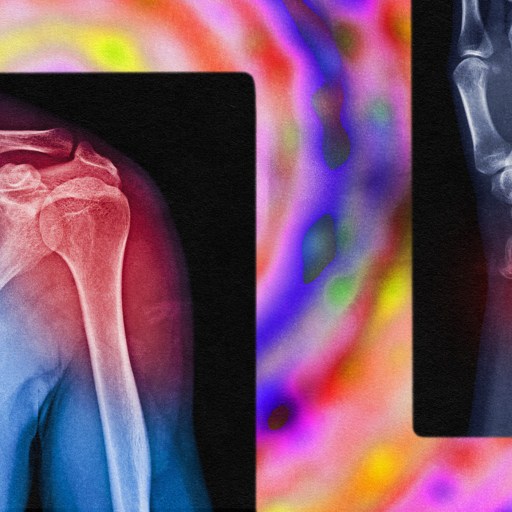
Fixing chronic pain in the body may sometimes require a treatment focused on the brain.

A recent study suggests that exposure to visual stimuli can diminish the effects of psychedelic drugs.
Here's the thorny reality behind psychedelics' ability to unearth buried memories.
Research suggests you can influence your sense of time by changing the “embodiedness” of your daily habits.
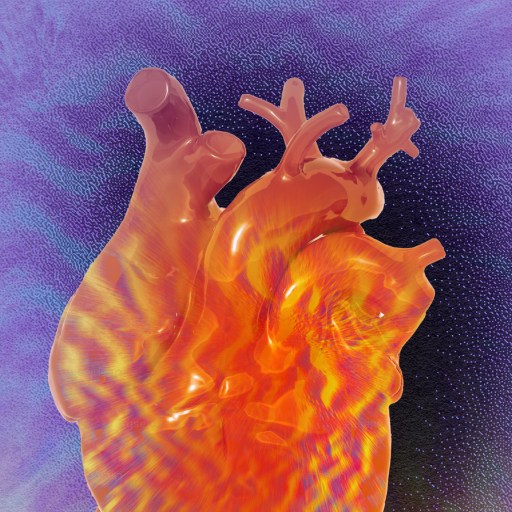
The heart's rhythms may play a larger role in shaping psychedelic experiences than previously thought.
Some neuroscientists question whether the body can “keep score” of anything in a meaningful way.

Survey data suggests that our bodily perceptions of love extend far beyond the heart.
In a psychedelic state, the relationship between your “narrative” and “minimal” selves seems to transform in unique ways.