
















Scott McLeod

Scott McLeod

Associate Professor of Educational Administration, Iowa State University

Scott McLeod, J.D., Ph.D., is an Associate Professor of Educational Leadership at the University of Kentucky. He also is the Founding Director of the UCEA Center for the Advanced Study of Technology Leadership in Education (CASTLE), the nation’s only academic center dedicated to the technology needs of school administrators, and was a co-creator of the wildly popular video series, Did You Know? (Shift Happens). He has received numerous national awards for his technology leadership work, including recognitions from the cable industry, Phi Delta Kappa, and the National School Boards Association. In Spring 2011 he was a Visiting Canterbury Fellow at the University of Canterbury in New Zealand. Dr. McLeod blogs regularly about technology leadership issues at Dangerously Irrelevant and Mind Dump, and occasionally at The Huffington Post. He can be reached at scottmcleod.net.

It’s the end of the school year and it’s time for a new contest. In honor of Mike Schmoker’s classic Crayola Curriculum article… What’s the most dismaying / inane / […]
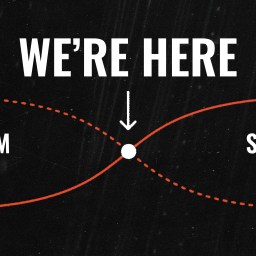
I really liked this image of the inverted U from Peter Morville’s Ambient Findability so I decided to make my own version: I’m a strong proponent of data-driven practice, particularly […]
Today we officially topped 60 participants for CASTLE’s first annual summer book club. That’s great! – and many more people than I ever anticipated – but it also presents some […]
For those of you who are interested, here are the current standings for BlogBall08, our edubloggers’ fantasy baseball league…
Wow. Could The Age of the Millenials have been any more one-sided? I know the audience for 60 Minutes skews older but this episode was pretty over the top, even […]
Quick! Name a long term, substantive, sustainable change that occurred in your organization without the active support of your leadership. I’ll wait… That’s what I thought. Now why aren’t you […]
Postman & Weingartner (1968, p. 23) noted: Knowledge is produced in response to questions. And new knowledge results from the asking of new questions; quite often new questions about old […]