














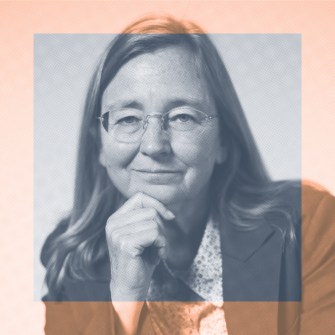

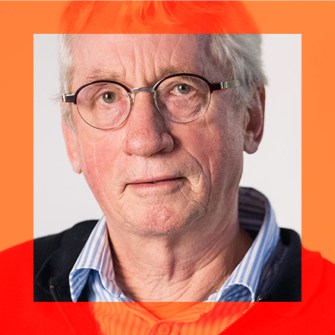
Sherry Turkle
Founder & Director, MIT Initiative on Technology and Self
Sherry Turkle is Abby Rockefeller Mauzé Professor of the Social Studies of Science and Technology in the Program in Science, Technology, and Society at MIT and the founder and current director of the MIT Initiative on Technology and Self. Professor Turkle received a joint doctorate in sociology and personality psychology from Harvard University and is a licensed clinical psychologist.
Professor Turkle is the author of Psychoanalytic Politics: Jacques Lacan and Freud's French Revolution (Basic Books, 1978; MIT Press paper, 1981; second revised edition, Guilford Press, 1992); The Second Self: Computers and the Human Spirit (Simon and Schuster, 1984; Touchstone paper, 1985; second revised edition, MIT Press, 2005); Life on the Screen: Identity in the Age of the Internet(Simon and Schuster, 1995; Touchstone paper, 1997); and Simulation and Its Discontents (MIT Press, 2009). She is the editor of three books about things and thinking, all published by the MIT Press: Evocative Objects: Things We Think With (2007); Falling for Science: Objects in Mind (2008); and The Inner History of Devices (2008). Alone Together: Why We Expect More from Technology and Less from Each Other was published by Basic Books in January 2011.
Professor Turkle's newest book is Reclaiming Conversation: The Power of Talk in a Digital Age (Penguin Press, October 2015).