

















Search
Stephen Johnson
Executive Editor, Big Think

Stephen Johnson is Executive Editor at Big Think. His writing has appeared in PBS, U.S. News & World Report, and newspapers and magazines across the Midwest. He lives in St. Louis.
Read Less


An atheist's case for why American democracy needs a more Christlike Christianity.
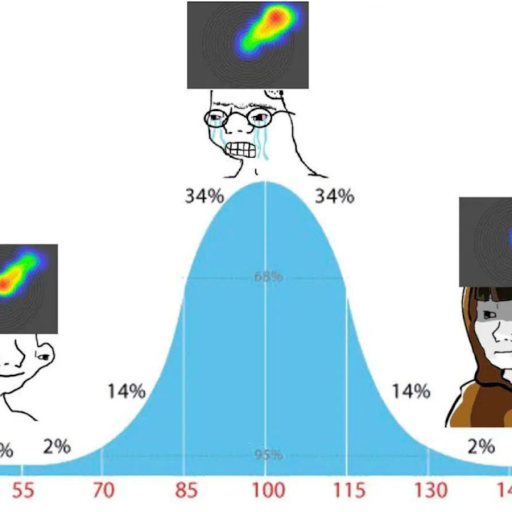
A study on the “moral circles” of liberals and conservatives gets drafted into the culture wars — with mixed results.

There is one obstacle that reliably blocks innovative ideas: how we fund science.

What you can learn about media by parodying it from the print era into the digital age.

Dennis Klatt developed trailblazing text-to-speech systems before losing his own voice to cancer.

Arieh Smith, a New York City-based polyglot who runs the YouTube channel Xiaomanyc, talks language-learning with Big Think.

Katie Kermode — a memory athlete with four world records — tells Big Think about her unique spin on an ancient technique to memorize unfathomably long lists of information.

The benefits of the psychedelic seem to last long after the trip wears off.

"When Harry Met Sally" lied to you.

Jung thought these autonomous entities live in your unconscious mind — often at a cost.

Anger and silence are the two worst reactions.

Big Think covered the 2012 study shortly after it was published. We are now correcting the record.

Why does the DMT experience feel so familiar to some people — even those who are trying the psychedelic for the first time?
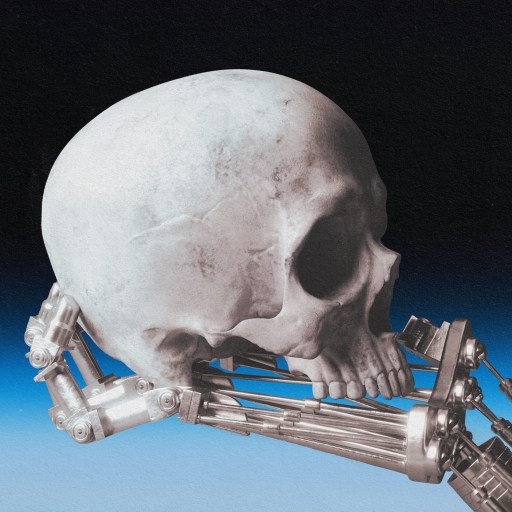
AI was the most divisive topic in a recent predictions tournament.

Modern memory athletes use this ancient technique to memorize thousands of digits of pi.

A 2020 study revived a longstanding controversy over Christopher Columbus' claims of marauding cannibals in the Caribbean.


The cost of seeing yourself as a thief is pretty steep, the results of a 2019 study suggest.

Of the world's 300 honey varieties, none is stranger and more dangerous than mad honey.