
















Steven Pinker
Johnstone Family Professor in the Department of Psychology at Harvard University

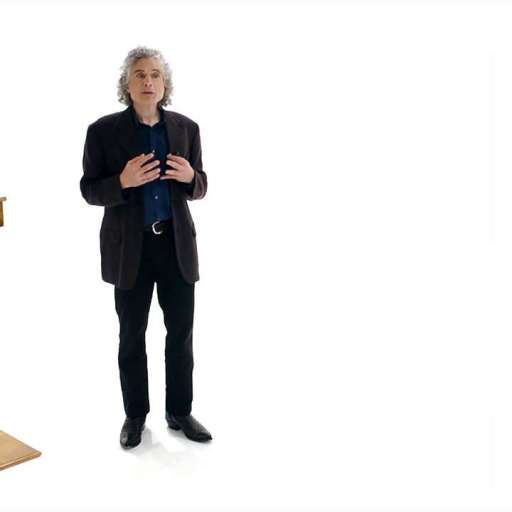
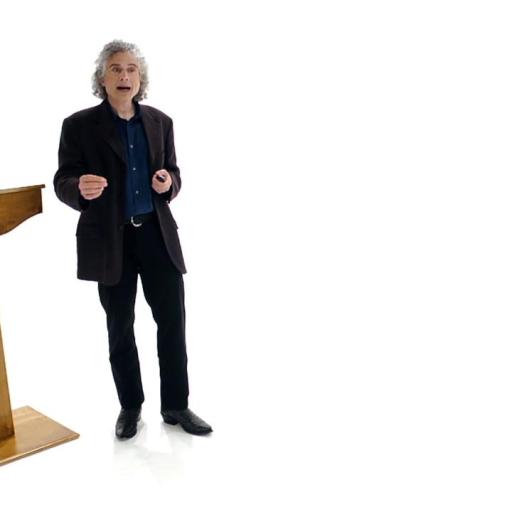
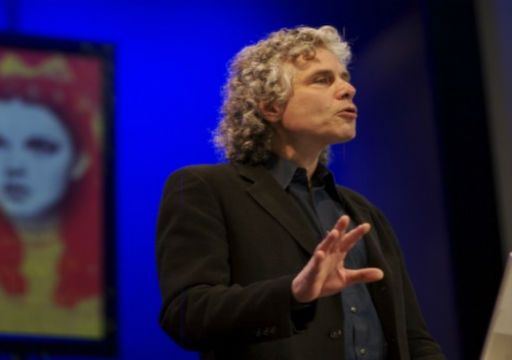
Steven Pinker is an experimental psychologist who conducts research in visual cognition, psycholinguistics, and social relations. He grew up in Montreal and earned his BA from McGill and his Ph.D. from Harvard. Currently Johnstone Professor of Psychology at Harvard, he has also taught at Stanford and MIT. He has won numerous prizes for his research, his teaching, and his books, including The Language Instinct, How the Mind Works, The Blank Slate, The Better Angels of Our Nature, The Sense of Style, and Enlightenment Now. He is an elected member of the National Academy of Sciences, a two-time Pulitzer Prize finalist, a Humanist of the Year, a recipient of nine honorary doctorates, and one of Foreign Policy’s “World’s Top 100 Public Intellectuals” and TIME’s “100 Most Influential People in the World Today.” He was chair of the Usage Panel of the American Heritage Dictionary and writes frequently for The New York Times, The Guardian, and other publications. His twelfth book is called Rationality: What It Is, Why It Seems Scarce, Why It Matters.