









Thomas Moynihan

Thomas Moynihan

A person with a shaved head and beard looks directly at the camera, wearing a dark shirt. The background is softly blurred. Black and white image.

Thomas Moynihan is a UK-based historian, and author of X-Risk How Humanity Discovered Its Own Extinction (MIT Press, 2020). He holds a DPhil from Oriel College, Oxford, and is currently a Research Affiliate at Cambridge University’s Centre for the Study of Existential Risk, as well as an Affiliate Researcher at the Berggruen Institute’s Antikythera think tank. He studies how worldviews transform over time, in often radical ways, as more is learned and revealed about the cosmos and our placement within it. In particular, he is interested in our species’s changing sense of orientation within not only time, but also relative to all the ways things—in the broadest sense of the term—could have gone otherwise. Thomas and his work have been featured on shows and publications including CBC Radio, BBC Radio 4, ABC Radio, 80,000 Hours, The Atlantic, Futures Podcast, New Scientist, The Guardian, Aeon, Noema Magazine, The Independent, MIT Press Reader, Vice, and Tank Magazine. Find him at www.thomasmoynihan.xyz and @nemocentric.
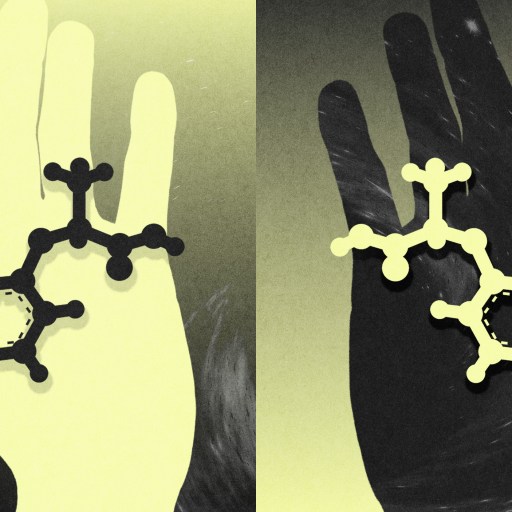
Two hands, one light and one dark, each holding a contrastingly colored molecular structure against a gradient background. “Mirror life” and the recurring nightmare of scientific apocalypse
The fear of unleashing forces beyond control has haunted science for centuries.
Three circles show, from left to right, an oyster shell, a Vitruvian-style human figure, and a swirling spiral, linked together on a textured lavender background. The philosophers who predicted “ultimate” forms of consciousness
Philosophers once prophesied that evolution would lead to minds far greater — and stranger — than our own.
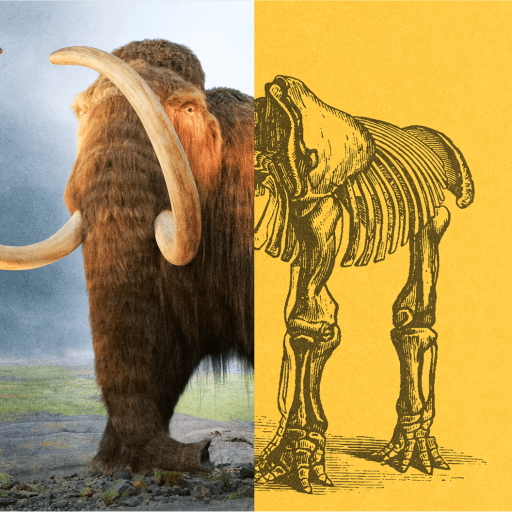
Image split in half: left side shows a woolly mammoth in a natural landscape; right side shows an illustrated mammoth skeleton on a yellow background. The strange history of de-extinction began long before the science
Dreams of resurrecting lost species didn’t start in Hollywood or Silicon Valley.
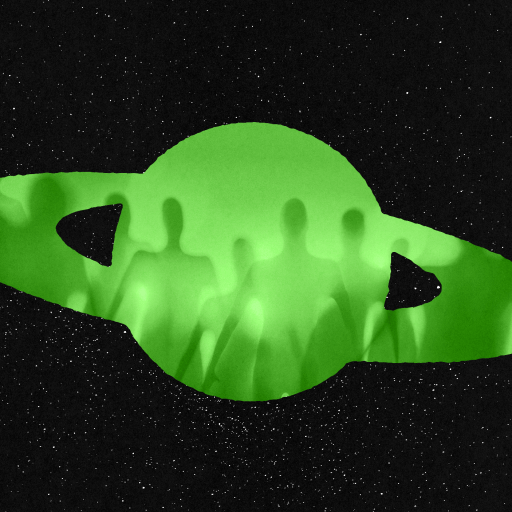
A green planet with rings is shown against a starry black background, with shadowy humanoid figures visible inside the planet’s outline. Aliens, everywhere: Why scientists once assumed every planet was inhabited
Long before the search for biosignatures, scientists imagined a cosmos teeming with intelligent life.
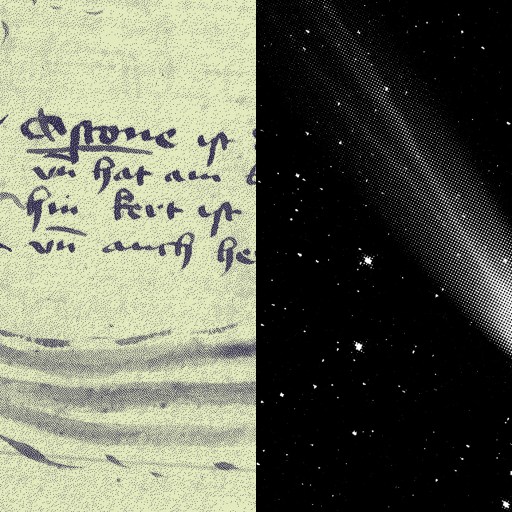
Illustration of a comet from an old manuscript on the left, and a black and white image of a comet in space on the right. Asteroid anxiety: Astronomy’s 300-year quest to predict cosmic collisions
Fears of celestial collisions — and calculations of their likelihood — go back to the very origins of modern science itself.
Bright orange star surrounded by a dense field of smaller white stars in space. How humanity discovered we’re all made of “star stuff”
Carl Sagan was far from the first to declare we are the children of ancient stars.
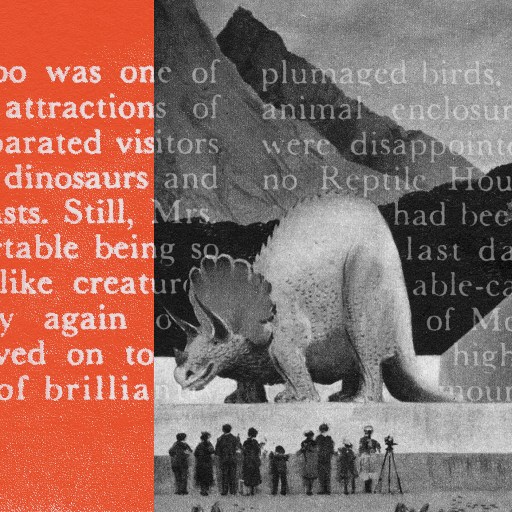
Collaged image of text and a black-and-white scene with a dinosaur and mountainous backdrop. The year "1950" is visible in the bottom left corner. How the search for dinosaurs on Venus exposed a warning for Earth
Dinosaurs and other beasts were once thought to be the “undisputed masters” of Venus.