




Search
Tom Hartsfield
Big Think Contributor
Tom Hartsfield is a PhD physicist. He lives in Los Alamos, New Mexico.
Read Less
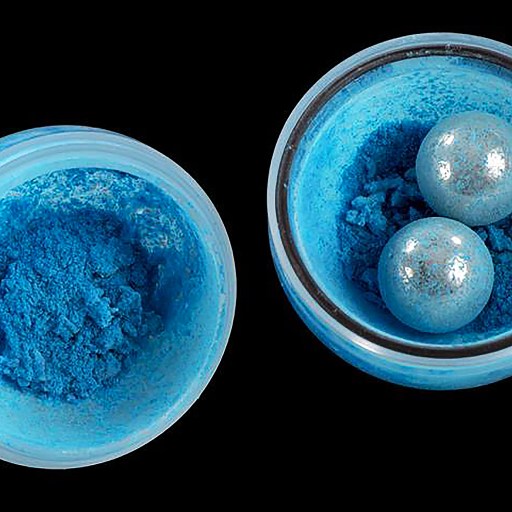
Chemists could replace bubbling flasks with tumbling ball mills.
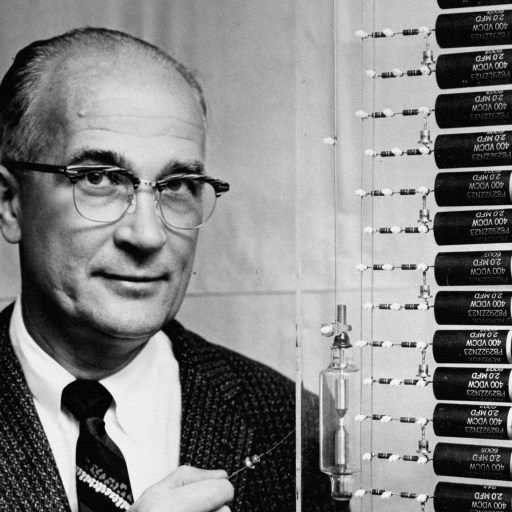
It is easy to mock Nobel Laureates who go astray, but eccentricity often accompanies brilliance. We should have some sympathy.
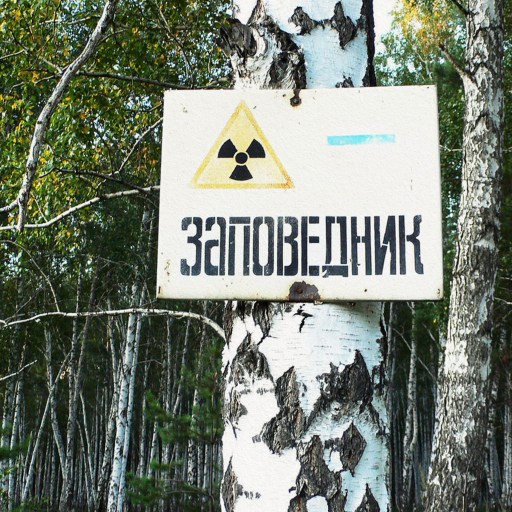
In many ways, it was worse than Chernobyl.
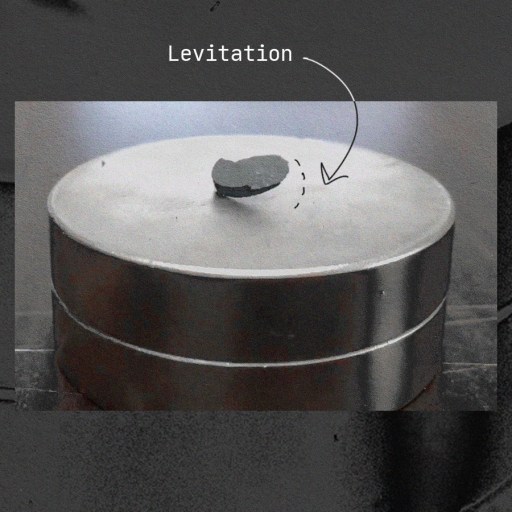
An army of replicators belonging to national laboratories, research universities, and amateur garages is rushing to replicate ambient superconductivity in LK-99.

In the land of the double-blind, impartiality is king.

Science news presents a flood of breakthroughs and discoveries that promise to change our lives. They rarely do.
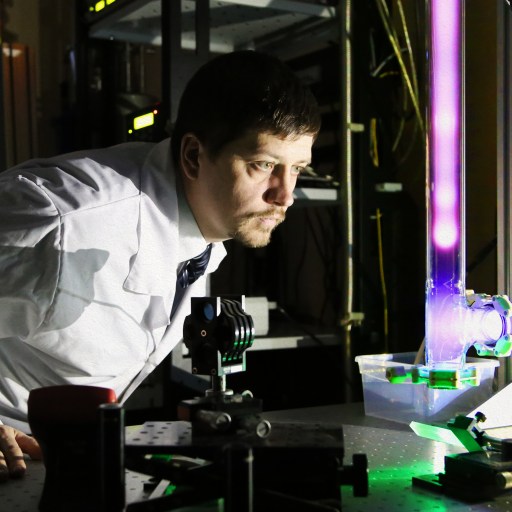
The familiar terrain of solids, liquids, and gases gives way to the exotic realms of plasmas and degenerate matter.

George Orwell got it right: "Never use a long word where a short one will do."

Wind farms seem less productive when scientists incorporate more realistic atmospheric models into their output predictions.
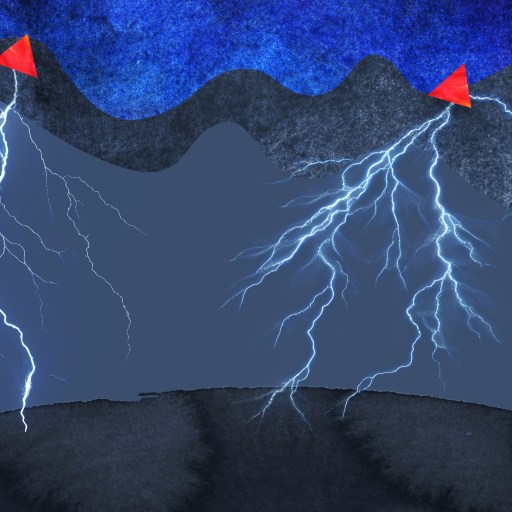
Laser-guided lightning isn't the only manmade way to create lightning.

The biggest lingering question about GPT-4 isn't if it's going to destroy jobs or take over the world. Instead, it is this: Do we trust AI programmers to tell society what is true?

Not everything that claims to be "scientific" actually is. There are five features of scientifically rigorous studies.
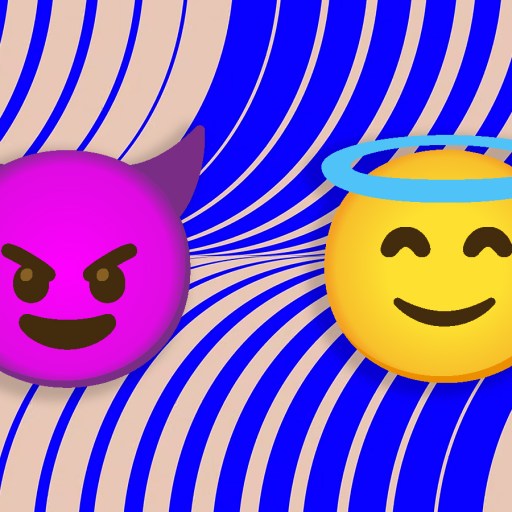
It’s far less likely to wander into bizarre lies, emotional rants, and manipulative tangents.
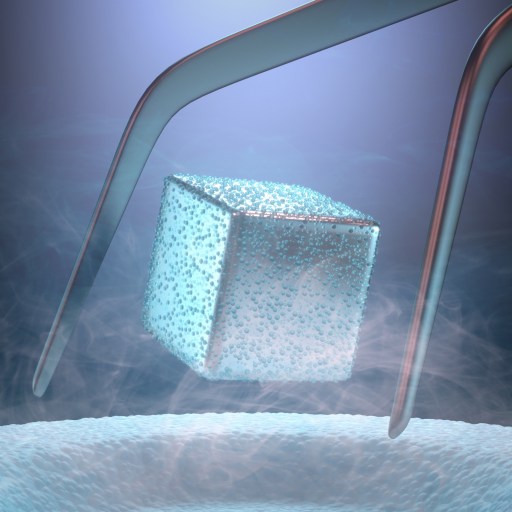
So far, two papers have been retracted, and a third is under investigation. Accusations of plagiarism appear convincing.

The Fermi paradox (along with the subsequent Drake equation) is so difficult that even brilliant thinkers can make little dent in it.
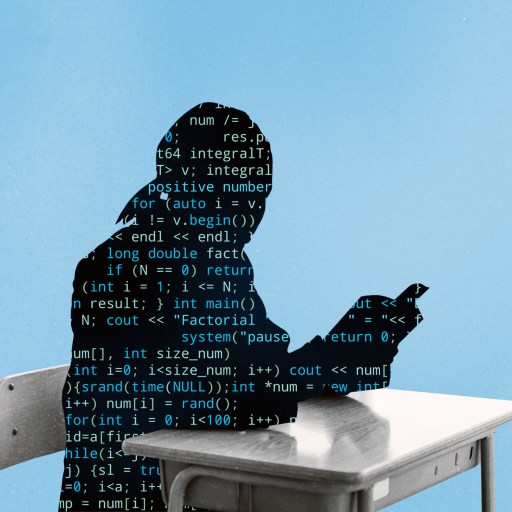
ChatGPT doesn’t understand physics, but it memorizes very well and puts in extra effort.

You can't throw a DART at everything in space.
The solution involves the infamous Navier-Stokes equations, which are so difficult, there is a $1-million prize for solving them.
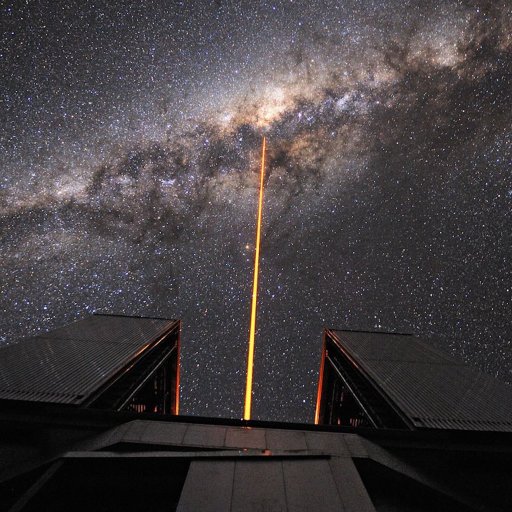
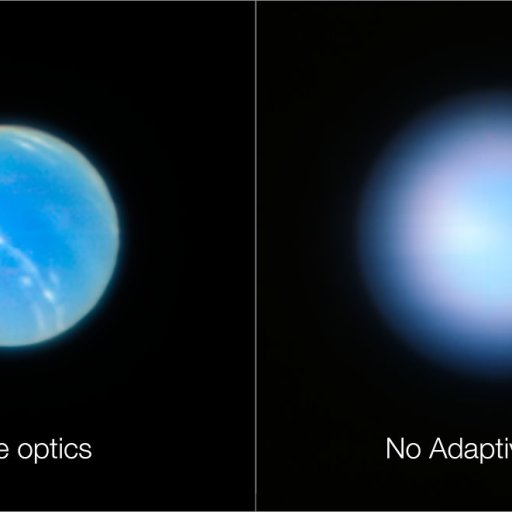
Air currents in our atmosphere limit the resolving power of giant telescopes, but computers and artificial stars can sharpen the blur.
Size matters, but it's not the only thing.