






Wesley Clark

Wesley Clark

U.S. General

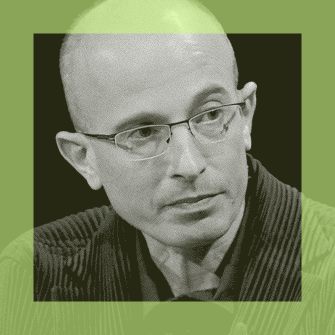
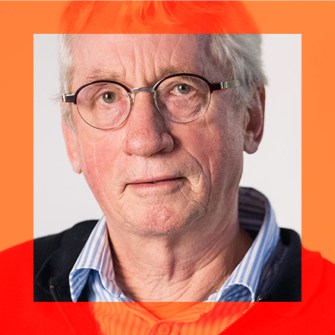
General Wesley Clark is a Senior Fellow at UCLA's Burkle Center and a Co-Chairman at Growth Energy, an ethanol lobbying group. He also leads a Democratic political action committee known as "WesPAC," which he formed after dropping out of the 2004 race for the Democratic Party presidential nomination. Though now retired, Clark served in the U.S. army for 38 years, commanding at the battalion, brigade and division level, and serving in a number of significant staff positions. As the Supreme Allied Commander Europe of NATO, Clark commanded Operation Allied Force in the Kosovo War, saving the lives of roughly 1.5 million Albanians from the threat of ethnic cleansing. After graduating as valedictorian of his class at West Point, Clark was awarded a Rhodes Scholarship to Oxford University, where he obtained a degree in philosophy, politics and economics. He later graduated from the Command and General Staff College with a master's degree in military science.
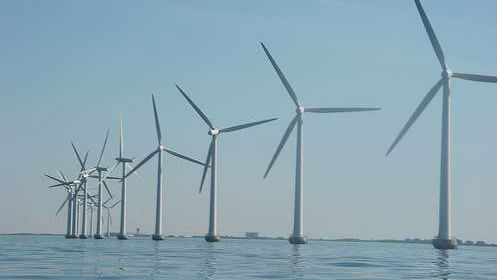
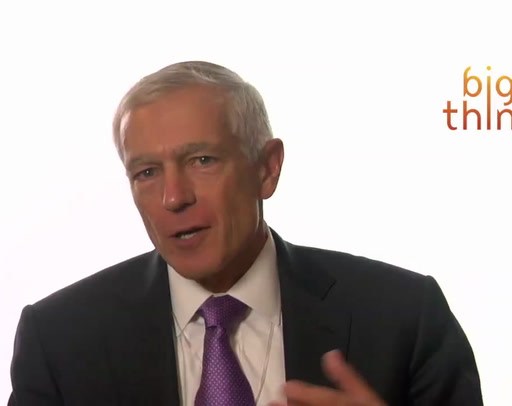
President Obama announced a plan to cut dependence on foreign oil by one-third by 2021. Retired four-star general Wesley Clark explains just how detrimental our addiction to oil is and […]
10 min
“We’ve been talking for over 30 years about energy independence,” says General Clark. It’s time to put our money where our mouth is.
4 min
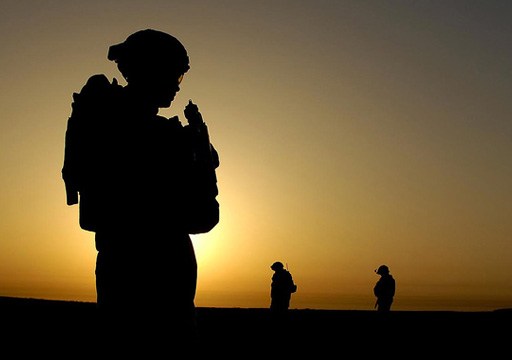
When you send people abroad to do difficult and dangerous things and risk losing their lives, you hope that there’s a strong connection with the population, says General Clark.
2 min
General Clark is “very disappointed in the Senate” for not committing to a more open policy concerning gays in the military.
4 min
Whether it’s learning how to use a Blackberry or learning how to “twit,” General Clark is confident that politicians we’ll always be able to connect with their constituencies.
7 min
Today there are probably more Democratic politicians who have served in the military than Republicans, says General Clark. Yet history has branded the Dems as the “Mama Party.”
7 min
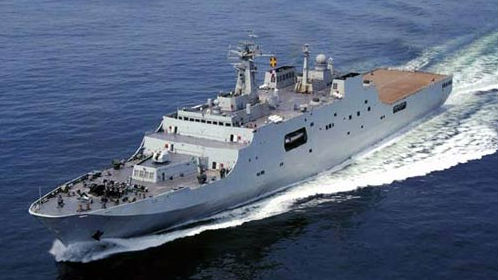
“Clearly we’re watching the emergence of increased military capabilities in China” says General Clark. What does this mean?