








Search
Philosophy
Examine life’s biggest questions, from ethics to existence, with curiosity and critical thinking.
32mins
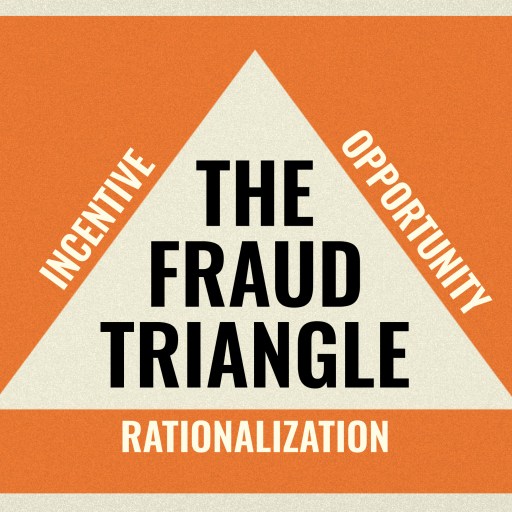
“Fraud is a trillion dollar problem, about $5 trillion today with that number increasingly rising annually.”
3mins
Biologist Tyler Volk PhD, psychiatrist Bruce Greyson MD, and palliative care physician BJ Miller MD, reveal how confronting mortality can improve the way we live.
Unlikely Collaborators

6mins
Free speech can amplify hatred, but it also protects the fight against it. Founder of The Future of Free Speech Jacob Mchangama explains.
11mins
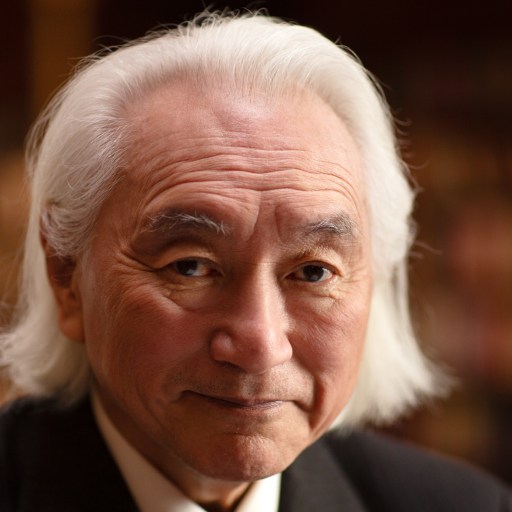
"We're stuck at type zero. But what would it take to move between universes? What would it take to enter a black hole? What would it take to break the light barrier?"
7mins
A neuroscientist, a psychologist, and a psychotherapist discuss how emotions are stories built from old experiences.
Unlikely Collaborators
7mins
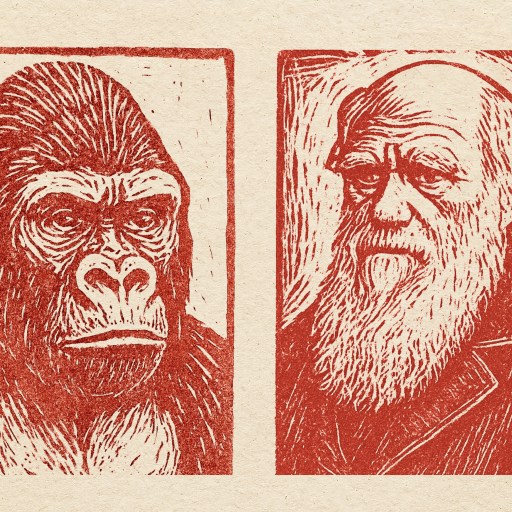
“The idea of evolution by natural selection is, for me, probably the most beautiful idea in biology.”

2mins
Happiness researchers Robert Waldinger MD, Tal Ben-Shahar PhD, and Peter Baumann explain why the happiest people aren’t happy all the time.
Unlikely Collaborators