
















Search
Philosophy
Examine life’s biggest questions, from ethics to existence, with curiosity and critical thinking.

Even just by examining the Moon with the unaided eye, we can learn an incredible amount about the Moon, Earth, and more.
1 min
“We can make ourselves more likely to be happy by building a life that includes the conditions that make for happiness.”
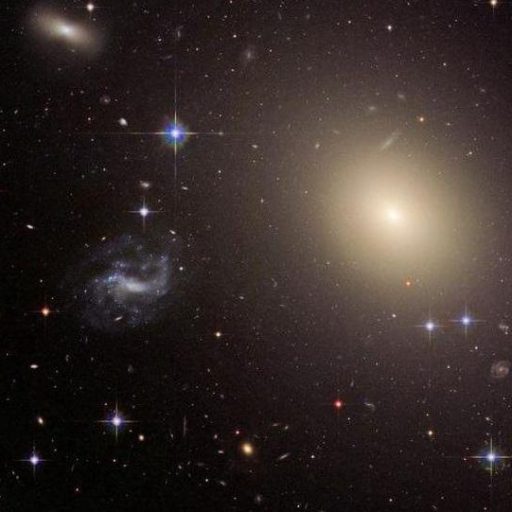
The Big Bang was hot, dense, uniform, and filled with matter and energy. Before that? There was nothing. Here's how that's possible.
17 min
"The sense that we are a solid entity, an unchanging entity that exists someplace in our body and takes ownership of our body, and even ownership of our brain rather than being identical to our brain, that is where the illusion lies."

Welcome to The Nightcrawler — a weekly newsletter from Eric Markowitz covering tech, innovation, and long-term thinking.
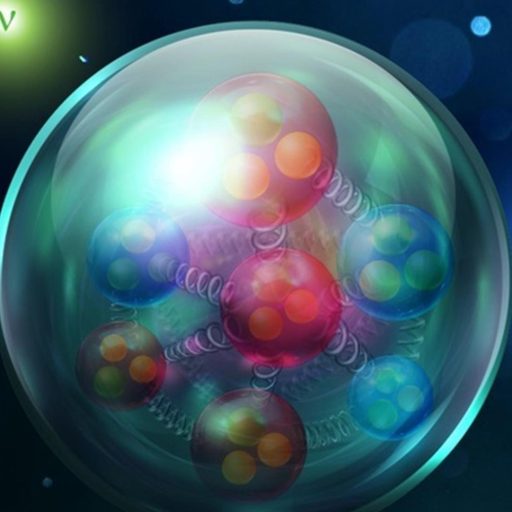
Realizing that matter and energy are quantized is important, but quantum particles aren't the full story; quantum fields are needed, too.

It makes no sense to talk about a “religious life” and a “public life” — there is just life.