

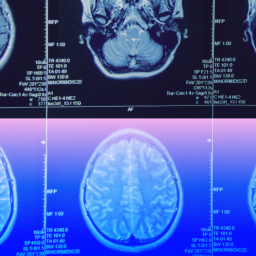


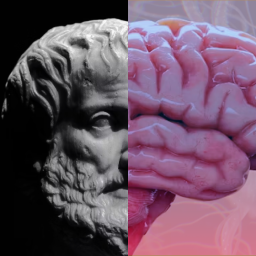













The democratic ideal of a well informed public fit to govern itself is not in line with recent behavioral research which finds people are more bullheaded when facts contradict their beliefs. “In an ideal world, citizens would be able to maintain constant vigilance, monitoring both the information they receive and the way their brains are processing it. But keeping atop the news takes time and effort,” says the Boston Globe. “And relentless self-questioning, as centuries of philosophers have shown, can be exhausting. Our brains are designed to create cognitive shortcuts — inference, intuition, and so forth — to avoid precisely that sort of discomfort while coping with the rush of information we receive on a daily basis. Without those shortcuts, few things would ever get done. Unfortunately, with them, we’re easily suckered by political falsehoods.”

Game Change