








Search

Our mission is to answer the biggest questions of all, scientifically.
What is the Universe made of? How did it become the way it is today? Where did everything come from? What is the ultimate fate of the cosmos?
For most of human history, these questions had no clear answers. Today, they do. Starts With a Bang, written by Dr. Ethan Siegel, explores what we know about the universe and how we came to know it, bringing the latest discoveries in cosmology and astrophysics directly to you.
Read Less
with
Full Profile
Ethan Siegel is an award-winning PhD astrophysicist and the author of four books, including The Grand Cosmic Story, published by National Geographic.

Protected: Ask Ethan: Could evolving dark energy lead to a Big Crunch?
There is no excerpt because this is a protected post.
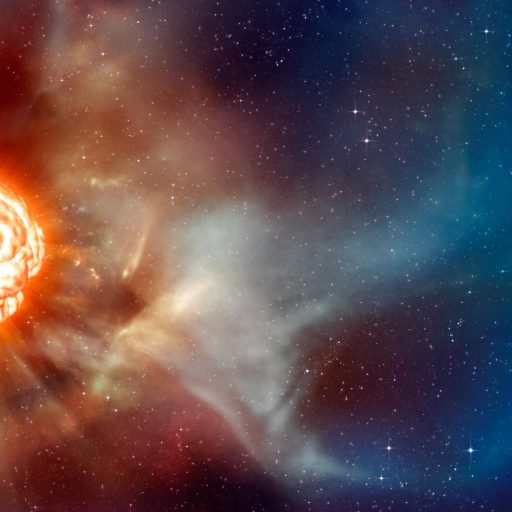
The closest known star that will soon undergo a core-collapse supernova is Betelgeuse, just 640 light-years away. Here's what we'll observe.

We have very specific predictions for how particles ought to decay. When we look at B-mesons all together, something vital doesn't add up.

Most waves need a medium to travel through. But the way that light and gravitational waves travel shows that space can't be a medium at all.
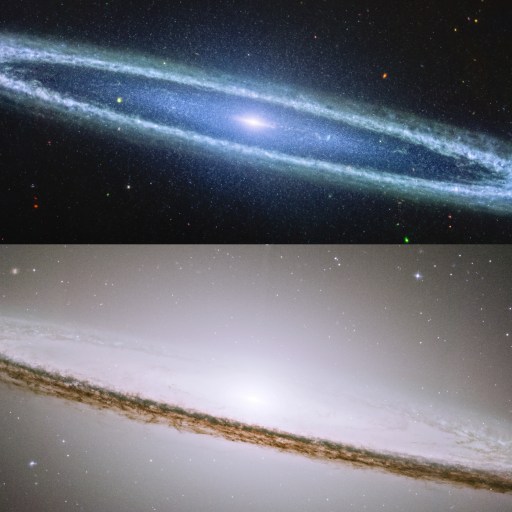
The Sombrero is the closest bright, massive, edge-on galaxy to us. JWST's new image, taken with MIRI, finally shows what's under its hat.
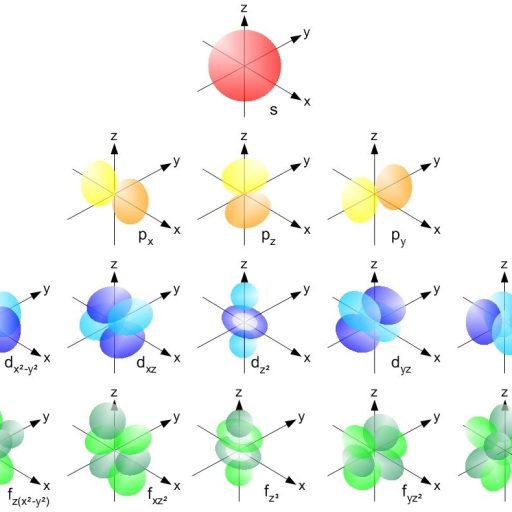
One of the fundamental constants of nature, the fine-structure constant, determines so much about our Universe. Here's why it matters.
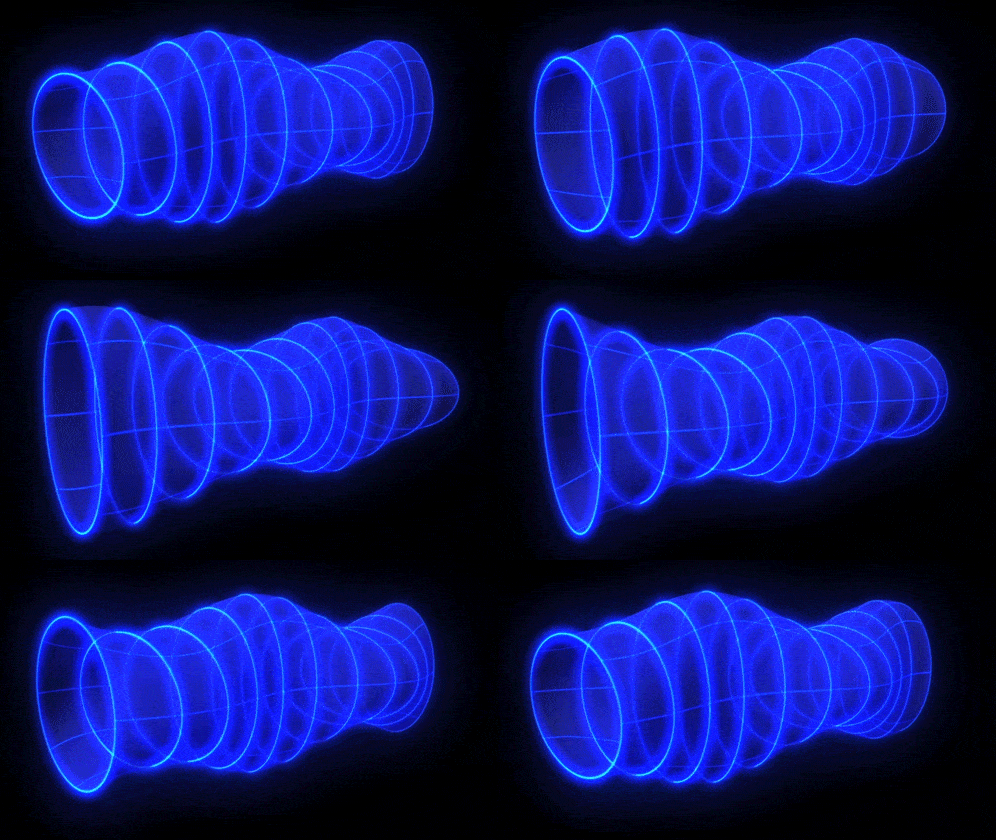
Gravitational waves are the last signatures that are emitted by merging black holes. What happens when these two phenomena meet in space?

For nearly 60 years, the hot Big Bang has been accepted as the best story of our cosmic origin. Could the Steady-State theory be possible?