





Search

Our mission is to answer the biggest questions of all, scientifically.
What is the Universe made of? How did it become the way it is today? Where did everything come from? What is the ultimate fate of the cosmos?
For most of human history, these questions had no clear answers. Today, they do. Starts With a Bang, written by Dr. Ethan Siegel, explores what we know about the universe and how we came to know it, bringing the latest discoveries in cosmology and astrophysics directly to you.
Read Less
with
Full Profile
Ethan Siegel is an award-winning PhD astrophysicist and the author of four books, including The Grand Cosmic Story, published by National Geographic.

Protected: Ask Ethan: Could evolving dark energy lead to a Big Crunch?
There is no excerpt because this is a protected post.
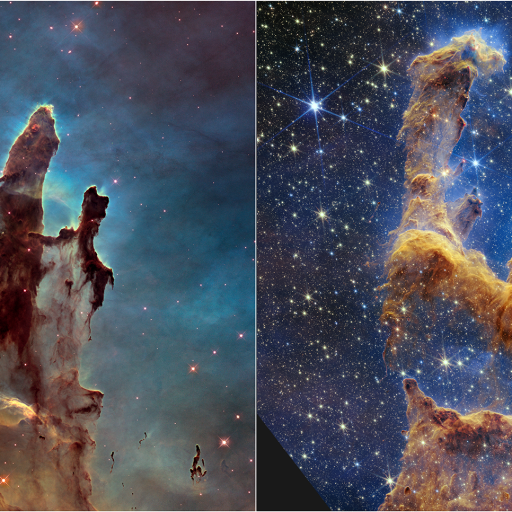
When we see pictures from Hubble or JWST, they show the Universe in a series of brilliant colors. But what do those colors really tell us?
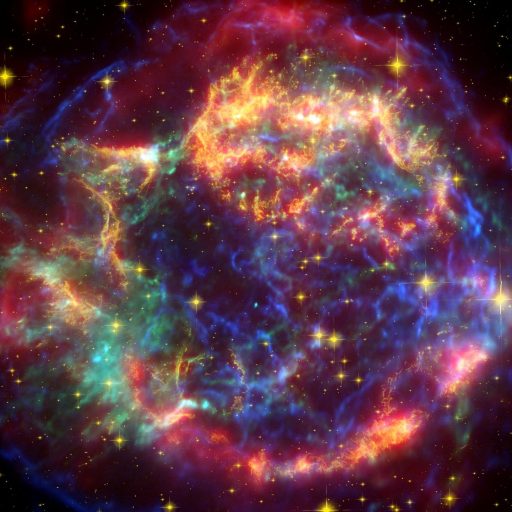
The last naked-eye Milky Way supernova happened way back in 1604. With today's detectors, the next one could solve the dark matter mystery.
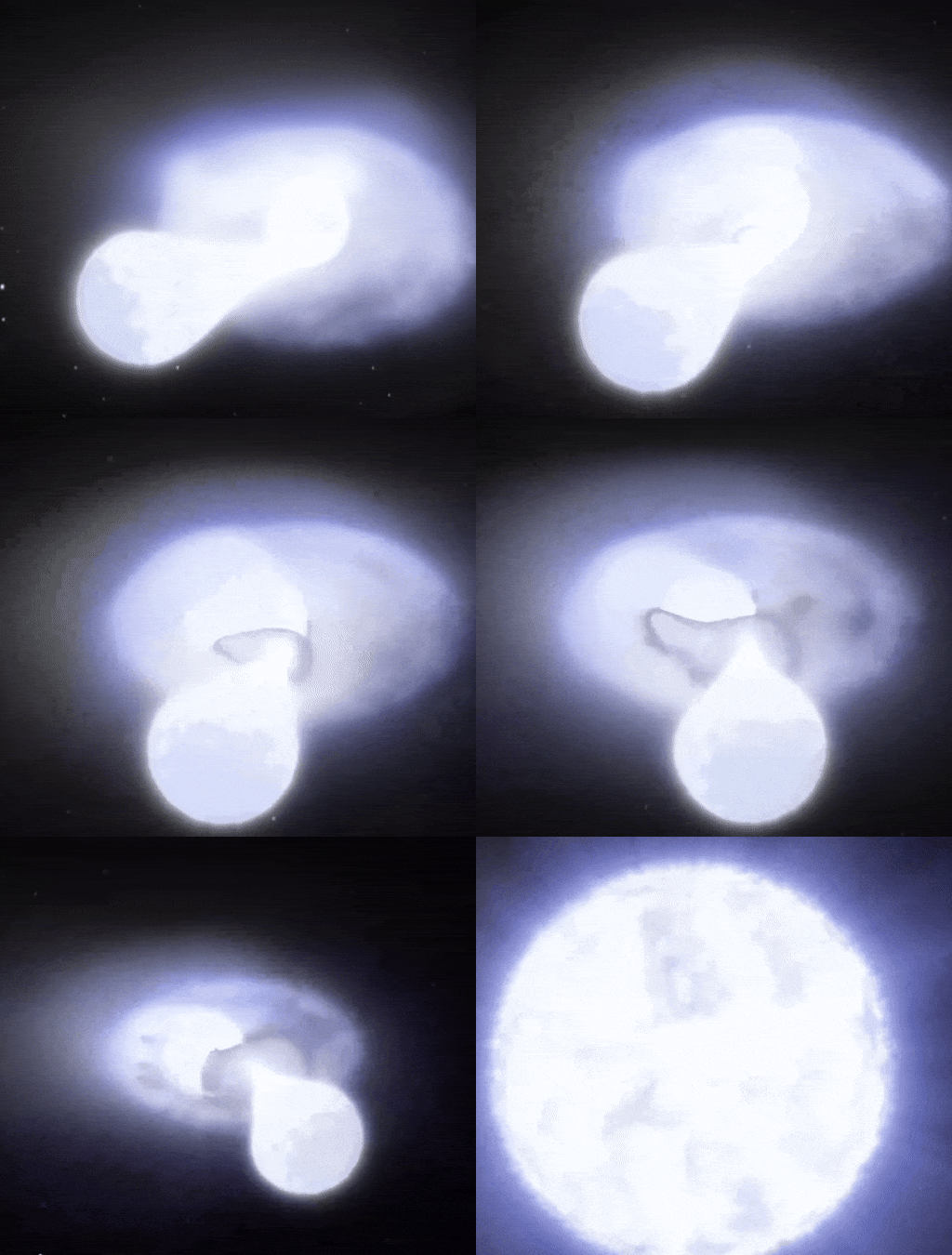
Since 1930, type Ia supernovae have been thought to arise from white dwarfs exceeding the Chandrasekhar mass limit. Here's why that's wrong.
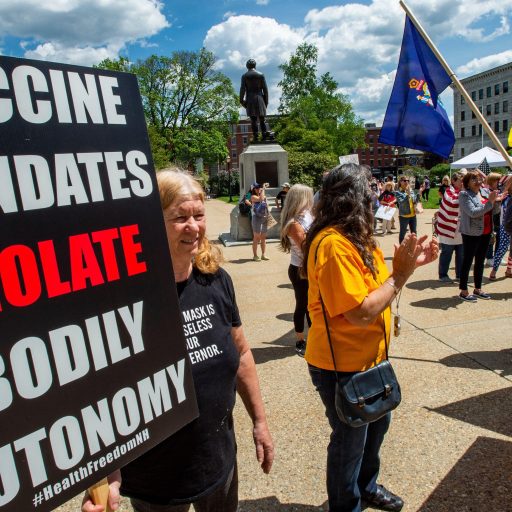
In partisan political times, recognizing the scientific truth is more important than ever. Scientists must be vocal and clear about reality.
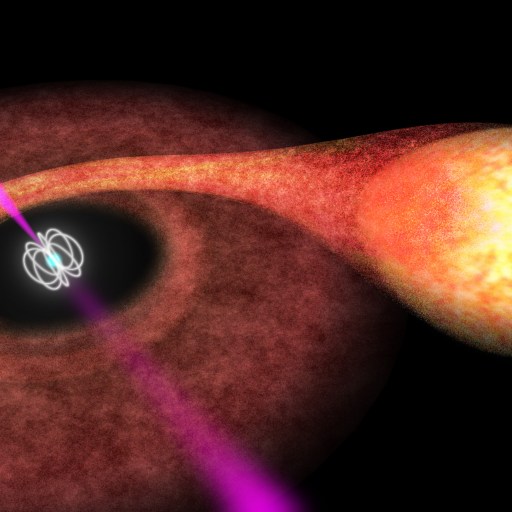
In astronomy, a star's initial mass determines its ultimate outcome in life. Unless, that is, a stellar companion alters the deal.
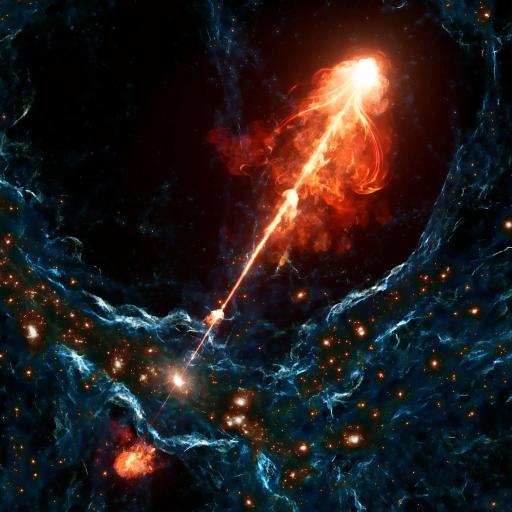
Black holes are the most massive individual objects, spanning up to a light-day across. So how do they make jets that affect the cosmic web?

Humans, when we consider space travel, recognize the need for gravity. Without our planet, is artificial or antigravity even possible?