



Search

Our mission is to answer the biggest questions of all, scientifically.
What is the Universe made of? How did it become the way it is today? Where did everything come from? What is the ultimate fate of the cosmos?
For most of human history, these questions had no clear answers. Today, they do. Starts With a Bang, written by Dr. Ethan Siegel, explores what we know about the universe and how we came to know it, bringing the latest discoveries in cosmology and astrophysics directly to you.
Read Less
with
Full Profile
Ethan Siegel is an award-winning PhD astrophysicist and the author of four books, including The Grand Cosmic Story, published by National Geographic.
Protected: Ask Ethan: Could evolving dark energy lead to a Big Crunch?
There is no excerpt because this is a protected post.
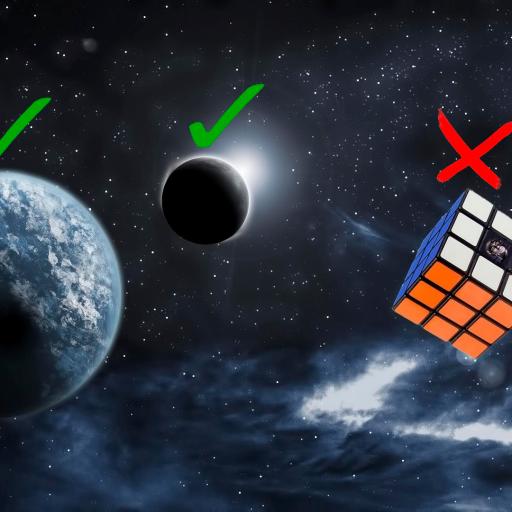
All the stars, stellar corpses, planets, and other large, massive objects take on spherical or spheroidal shapes. Why is that universal?
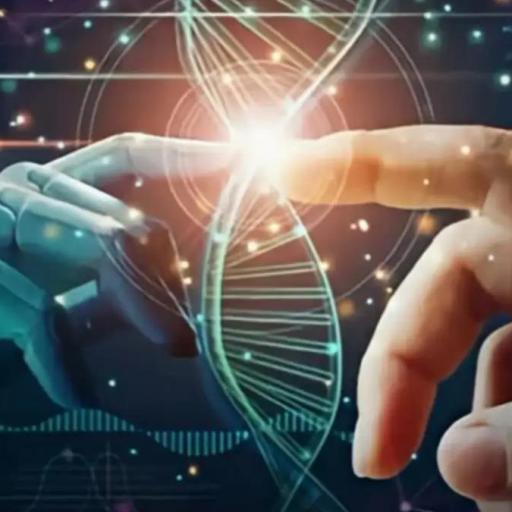
A crowdsourced "final exam" for AI promises to test LLMs like never before. Here's how the idea, and its implementation, dooms us to fail.
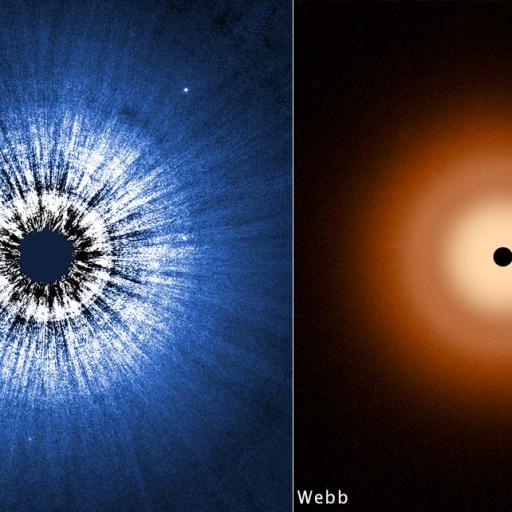
The 5th brightest star in our night sky is young, blue, and apparently devoid of massive planets. New JWST observations deepen the mystery.

Whether your hair is straight, wavy, curly, or kinky isn't just genetic in nature. It depends on the physics of your hair's very atoms.

One of the 20th century's most famous, influential, and successful physicists is lauded the world over. But Feynman is no hero to me.
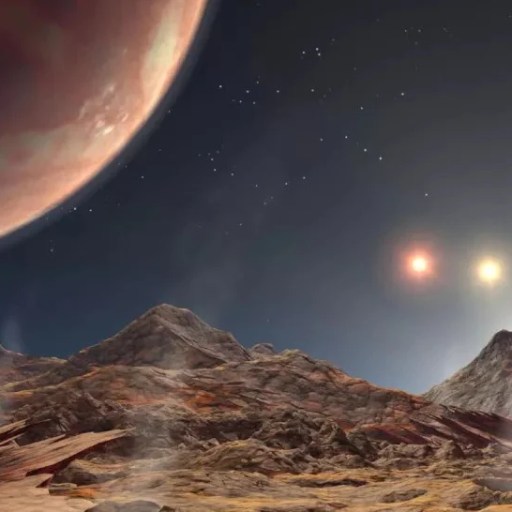
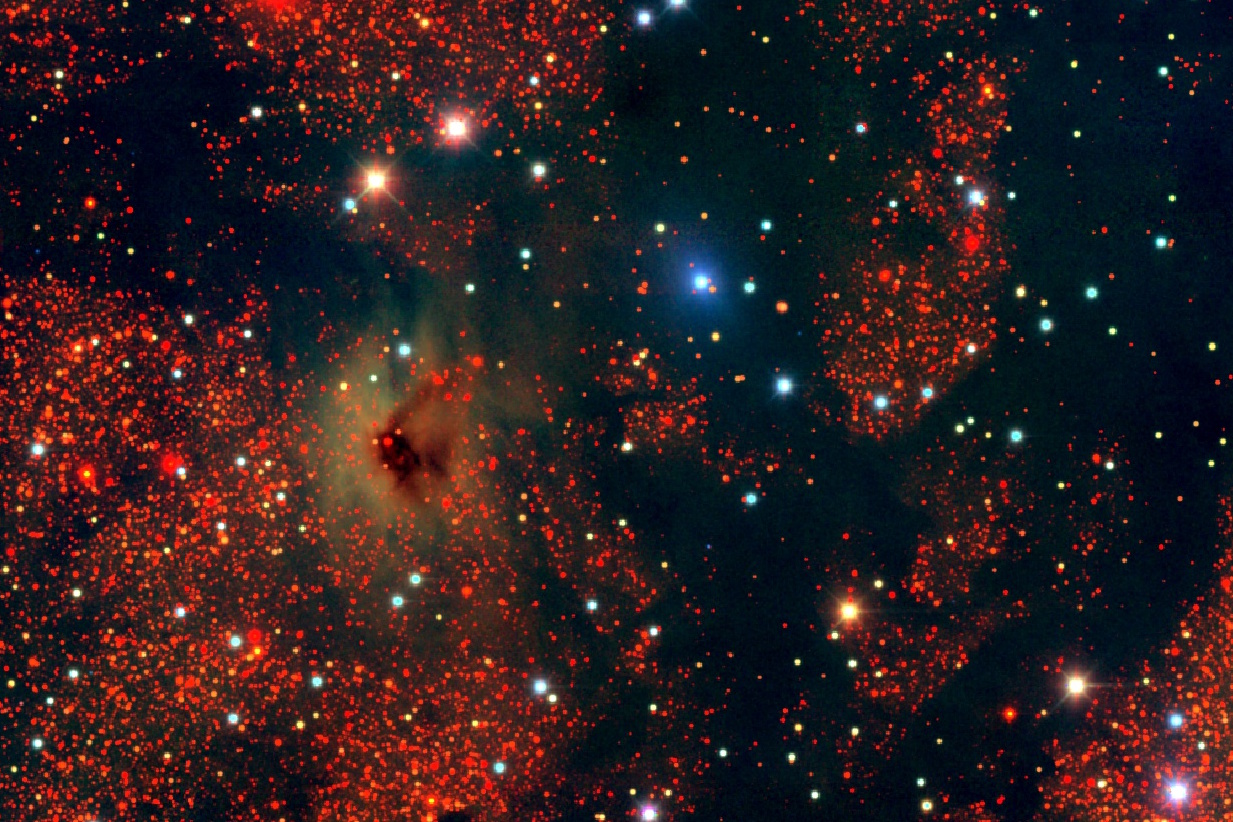
Due to chaos, it was long thought that planets couldn't stably orbit systems containing three stars. GW Orionis is the first counterexample.
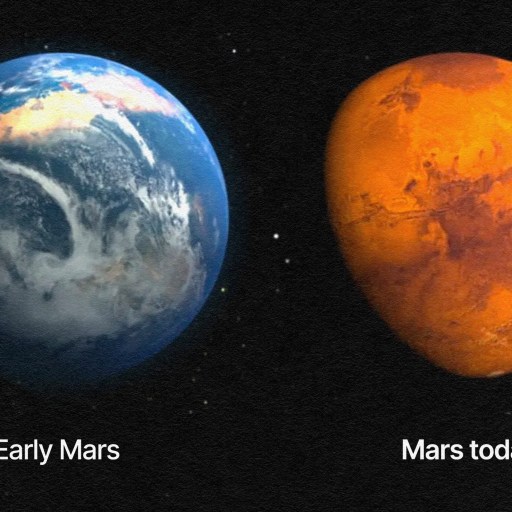
Mars and Earth were sister planets in many ways, with early similar conditions. Why did Mars die? The leading explanation isn't universal.