









Search

Our mission is to answer the biggest questions of all, scientifically.
What is the Universe made of? How did it become the way it is today? Where did everything come from? What is the ultimate fate of the cosmos?
For most of human history, these questions had no clear answers. Today, they do. Starts With a Bang, written by Dr. Ethan Siegel, explores what we know about the universe and how we came to know it, bringing the latest discoveries in cosmology and astrophysics directly to you.
Read Less
with
Full Profile
Ethan Siegel is an award-winning PhD astrophysicist and the author of four books, including The Grand Cosmic Story, published by National Geographic.

Ask Ethan: Could evolving dark energy lead to a Big Crunch?
There's some, but not overwhelming, evidence that dark energy is evolving. What would it take for a "Big Crunch" to be our cosmic fate?
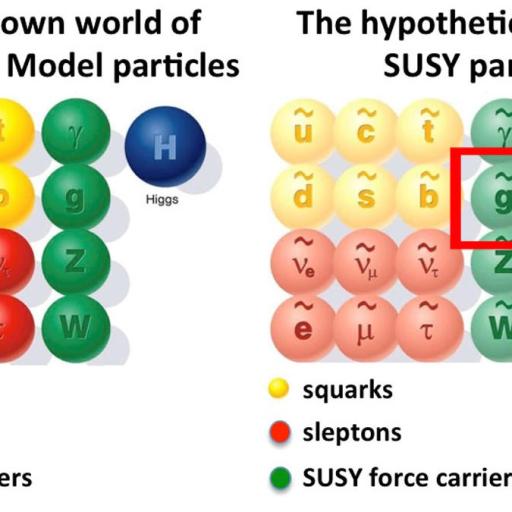
Almost 100 years ago, an asymmetric pathology led Dirac to postulate the positron. A similar pathology could lead us to supersymmetry.

From the coldest planets to spacecraft that have exited the Solar System, these little-known facts stump even many professional astronomers.
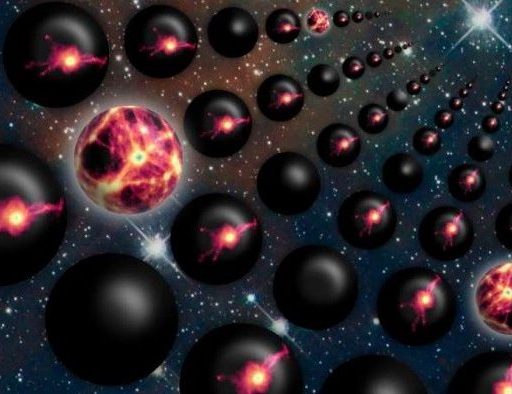
The Universe's history, from cosmic inflation to the Big Bang to the present, is known. But whether it's infinite or not is still a mystery.

Although the Big Bang occurred at an instant in time long ago, we still see the light from it. Will the evidence ever disappear completely?
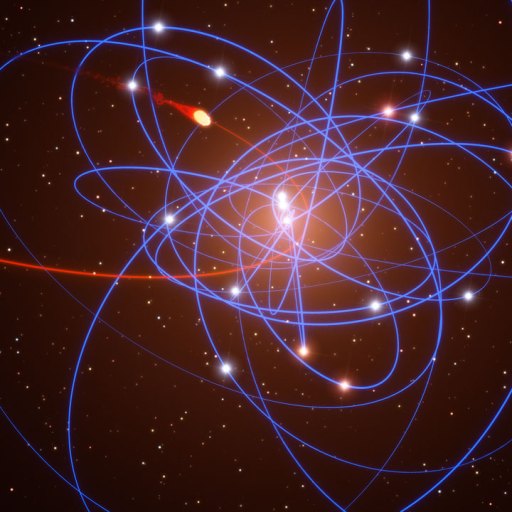
Known as hypervelocity stars, we originally thought just one would be ejected every 100,000 years. The real number is much greater.
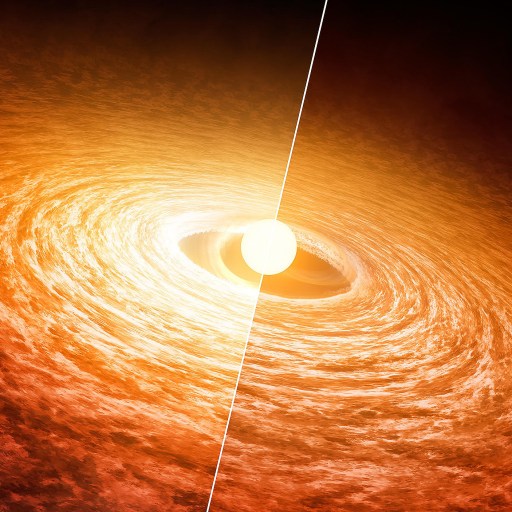
Newborn stars are surrounded only by a featureless disk. Debris disks persist for hundreds of millions of years. So when do planets form?
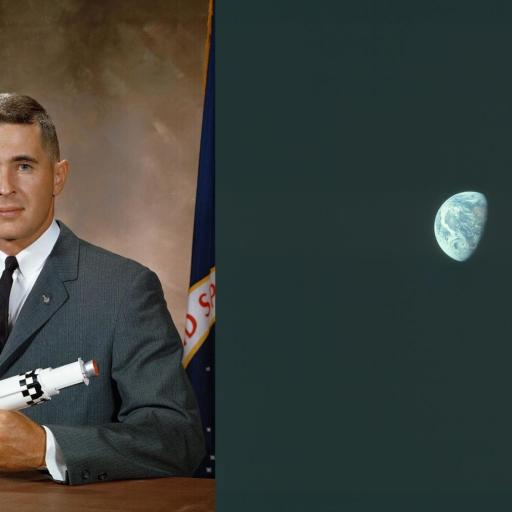
In December 1968, human beings made their first-ever journey to the Moon aboard Apollo 8. Their most important discovery? Planet Earth.