









Search

Our mission is to answer the biggest questions of all, scientifically.
What is the Universe made of? How did it become the way it is today? Where did everything come from? What is the ultimate fate of the cosmos?
For most of human history, these questions had no clear answers. Today, they do. Starts With a Bang, written by Dr. Ethan Siegel, explores what we know about the universe and how we came to know it, bringing the latest discoveries in cosmology and astrophysics directly to you.
Read Less
with
Full Profile
Ethan Siegel is an award-winning PhD astrophysicist and the author of four books, including The Grand Cosmic Story, published by National Geographic.

Ask Ethan: Could evolving dark energy lead to a Big Crunch?
There's some, but not overwhelming, evidence that dark energy is evolving. What would it take for a "Big Crunch" to be our cosmic fate?
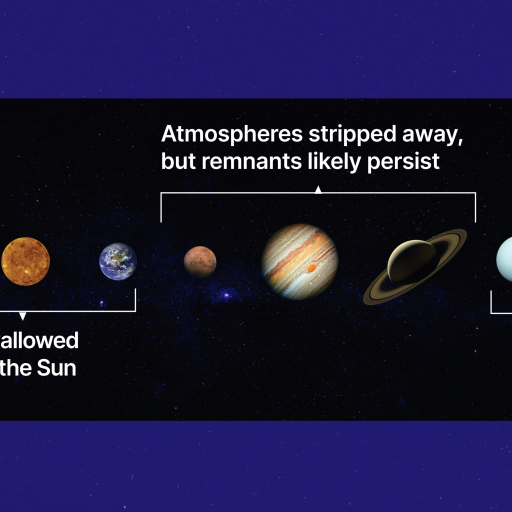
For now, our Solar System's eight planets are all safe, and relatively stable. Billions of years from now, everything will be different.
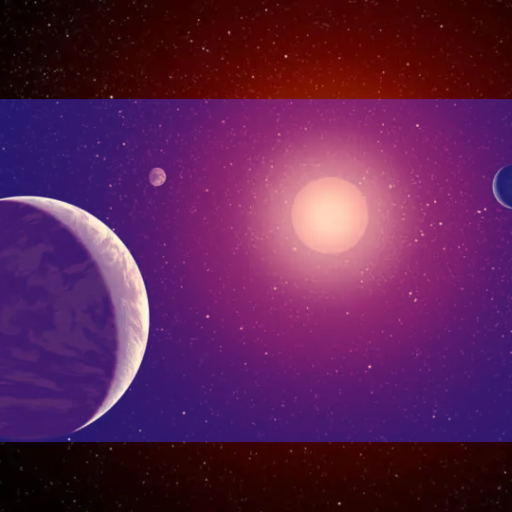
There are plenty of life-friendly stellar systems in the Universe today. But at some point in the far future, life's final extinction will occur.
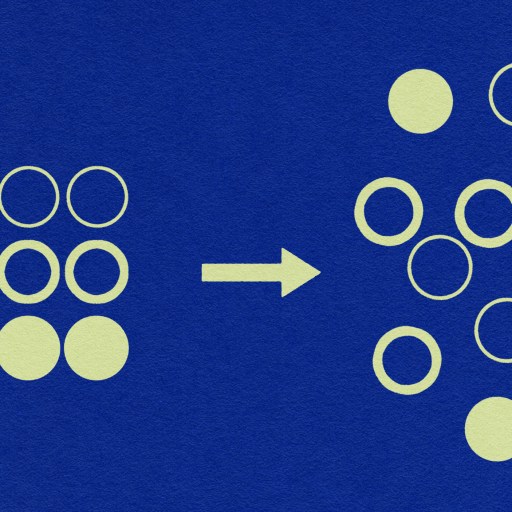
The second law of thermodynamics tells us that entropy always increases. But that doesn't mean it was zero at the start of the Big Bang.
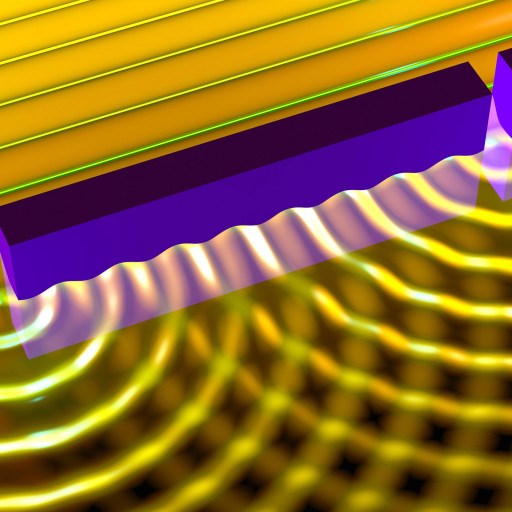
Everything acts like a wave while it propagates, but behaves like a particle whenever it interacts. The origins of this duality go way back.
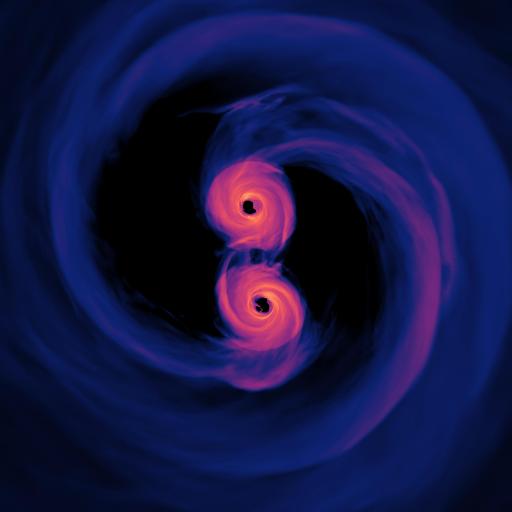
So far, gravitational waves have revealed stellar mass black holes and neutron stars, plus a cosmic background. So much more is coming.

Almost every large structure in the Universe displays a 5:1 dark matter-to-normal matter ratio. Here's how some galaxies defy that rule.

Almost everything we can observe and measure follows what's known as a normal distribution, or a Bell curve. There's a profound reason why.