








Search
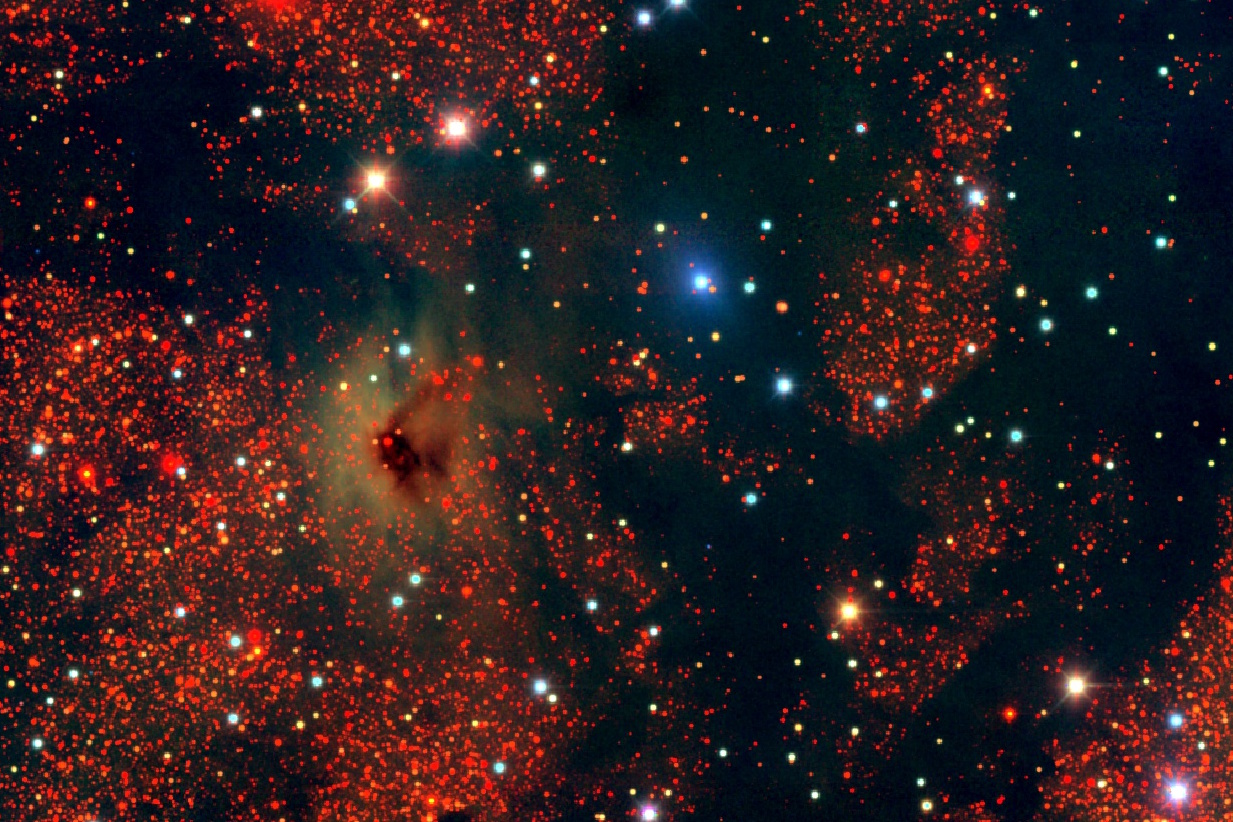

Our mission is to answer the biggest questions of all, scientifically.
What is the Universe made of? How did it become the way it is today? Where did everything come from? What is the ultimate fate of the cosmos?
For most of human history, these questions had no clear answers. Today, they do. Starts With a Bang, written by Dr. Ethan Siegel, explores what we know about the universe and how we came to know it, bringing the latest discoveries in cosmology and astrophysics directly to you.
Read Less
with
Full Profile
Ethan Siegel is an award-winning PhD astrophysicist and the author of four books, including The Grand Cosmic Story, published by National Geographic.

Groupthink in science isn’t a problem; it’s a myth
Scientists are notoriously resistant to new ideas. Are they falling prey to groupthink? Or are our current theories just that successful?
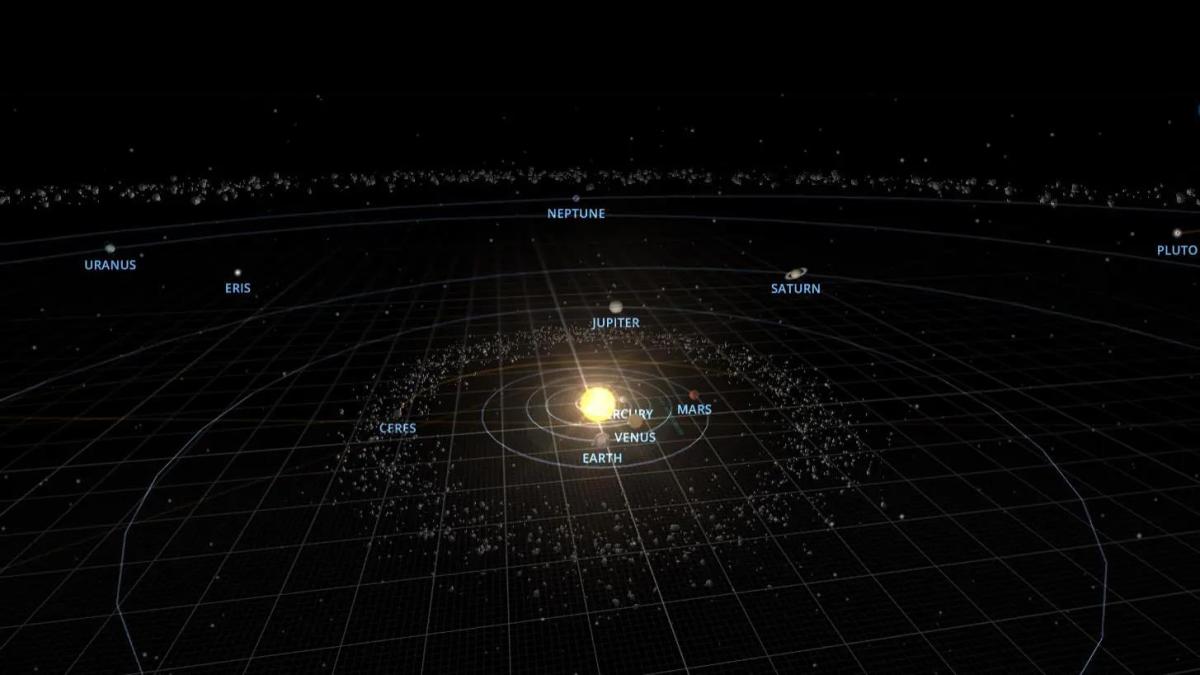

Sixty years ago, the Soviet Union was way ahead of the USA in the space race. Then one critical event changed everything.
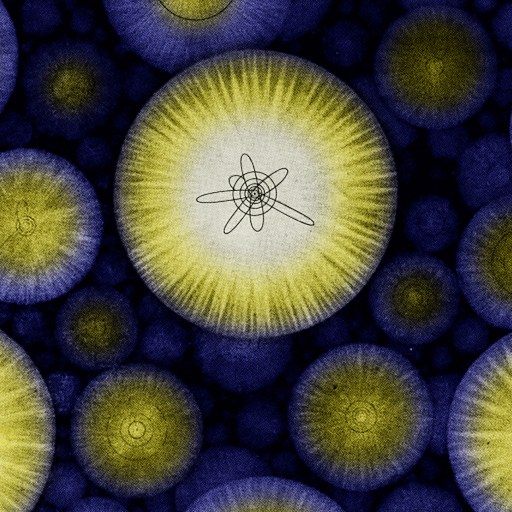
If atoms are mostly empty space, then why can't two objects made of atoms simply pass through each other? Quantum physics explains why.
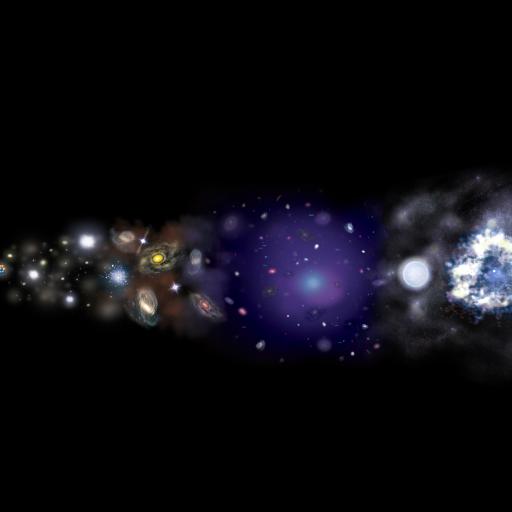
From a hot, dense, uniform state in its earliest moments, our entire known Universe arose. These unavoidable steps made it all possible.
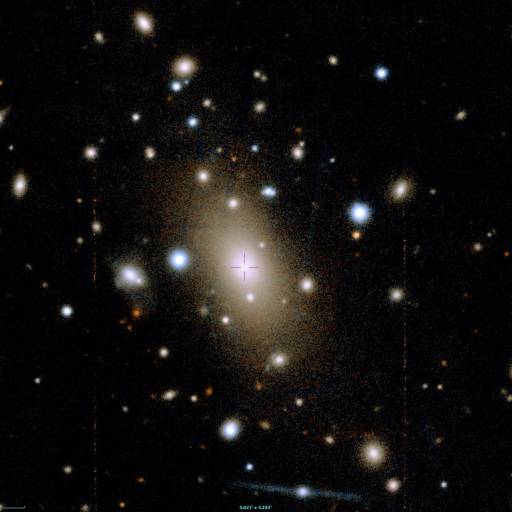
It was barely a century ago that we thought the Milky Way encompassed the entirety of the Universe. Now? We're not even a special galaxy.

Even with just a momentary view of our galaxy right now, the data we collect enables us to reconstruct so much of our past history.
50 years ago, Stephen Hawking showed that black holes emit radiation and eventually decay away. That fate may now apply to everything.
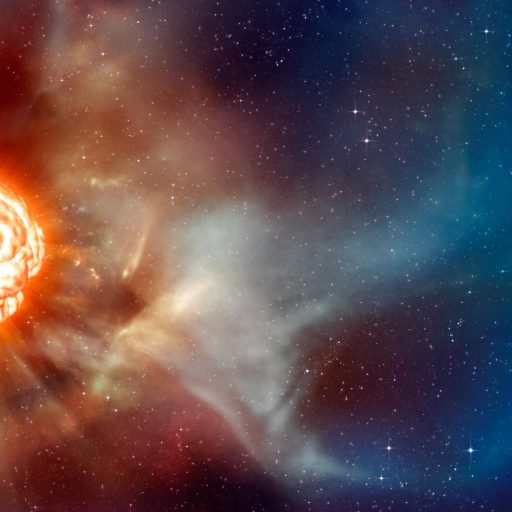
The closest known star that will soon undergo a core-collapse supernova is Betelgeuse, just 640 light-years away. Here's what we'll observe.