










Search

Our mission is to answer the biggest questions of all, scientifically.
What is the Universe made of? How did it become the way it is today? Where did everything come from? What is the ultimate fate of the cosmos?
For most of human history, these questions had no clear answers. Today, they do. Starts With a Bang, written by Dr. Ethan Siegel, explores what we know about the universe and how we came to know it, bringing the latest discoveries in cosmology and astrophysics directly to you.
Read Less
with
Ethan Siegel
Ethan Siegel is an award-winning PhD astrophysicist and the author of four books, including The Grand Cosmic Story, published by National Geographic.
Full Profile

Groupthink in science isn’t a problem; it’s a myth
Scientists are notoriously resistant to new ideas. Are they falling prey to groupthink? Or are our current theories just that successful?
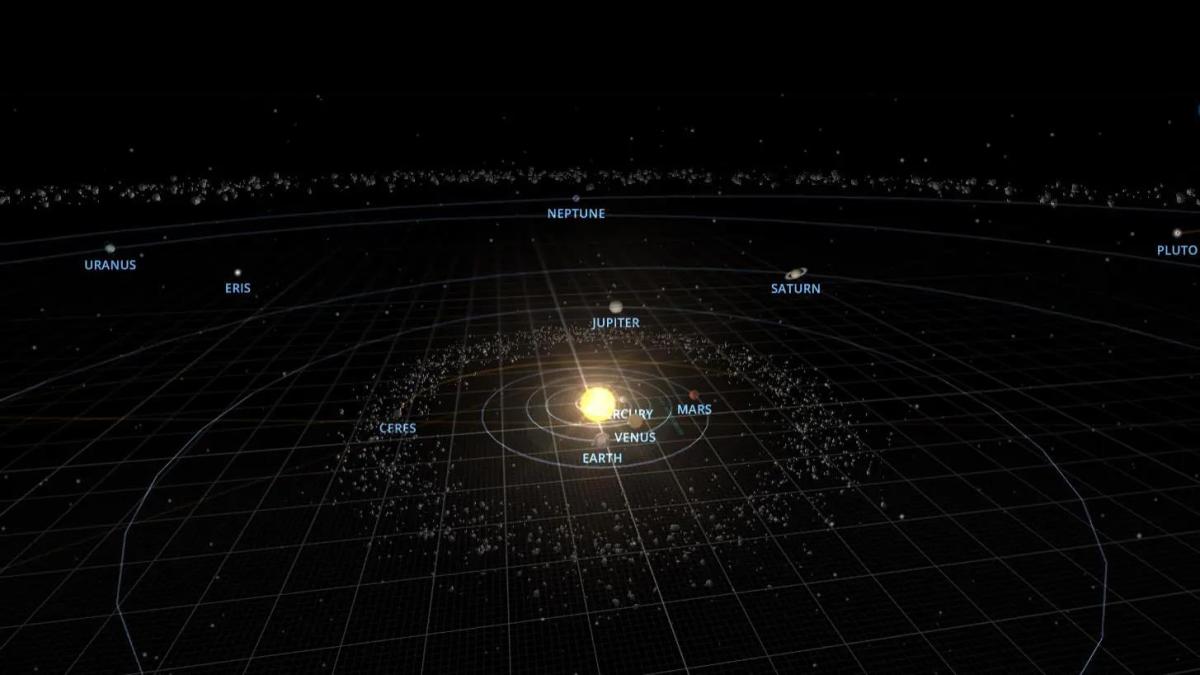

NASA's Juno mission, in orbit around Jupiter, occasionally flies past its innermost large moon: Io. The volcanic activity is unbelievable.
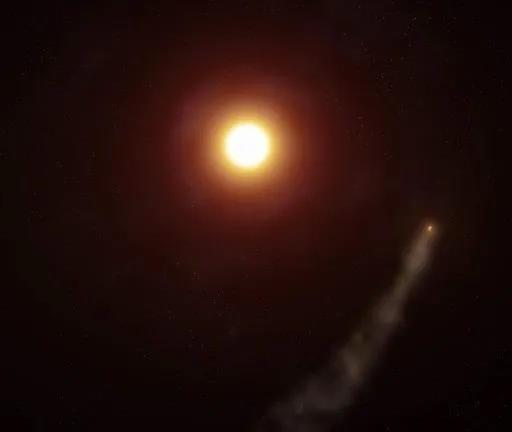
As planets with too many volatiles and too little mass orbit their parent stars, their atmospheres photoevaporate, spelling doom for some.
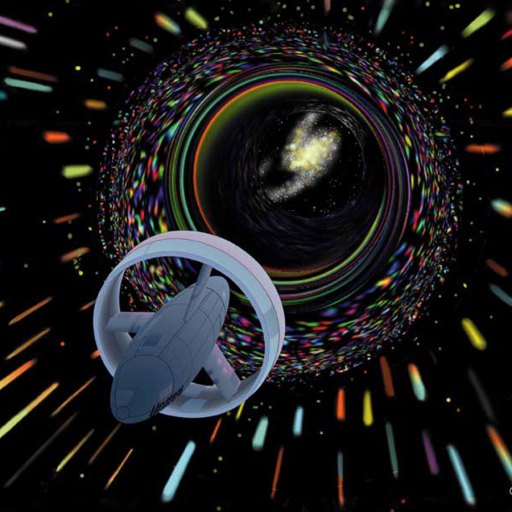
Without wormholes, warp drive, or some type of new matter, energy, or physics, everyone is limited by the speed of light. Or are they?
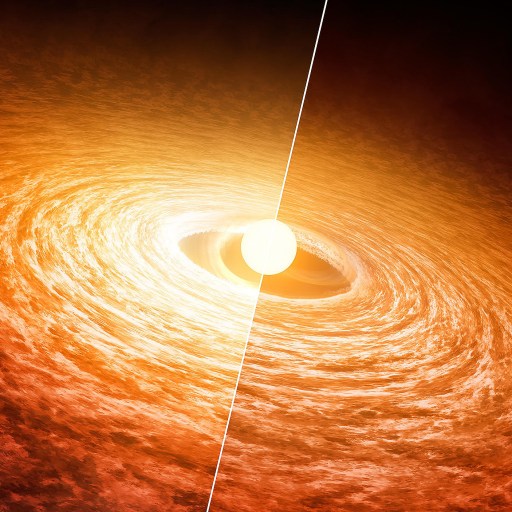
It took 9.2 billion years of cosmic evolution before our Sun and Solar System even began to form. Such a small event has led to so much.

Early on, only matter and radiation were important for the expanding Universe. After a few billion years, dark energy changed everything.
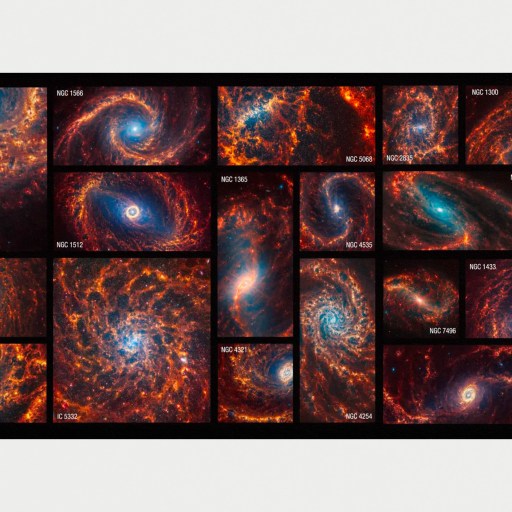
Stars are born, live, and die within the spiral arms of galaxies like the Milky Way. These 19 JWST spirals deliver unprecedented riches.
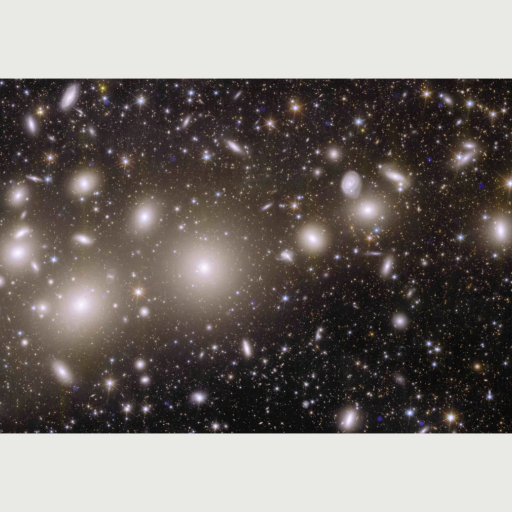
If our Milky Way were located in the Virgo cluster instead of the Local Group, chances are we'd already be a "red and dead" galaxy.