





Search

Our mission is to answer the biggest questions of all, scientifically.
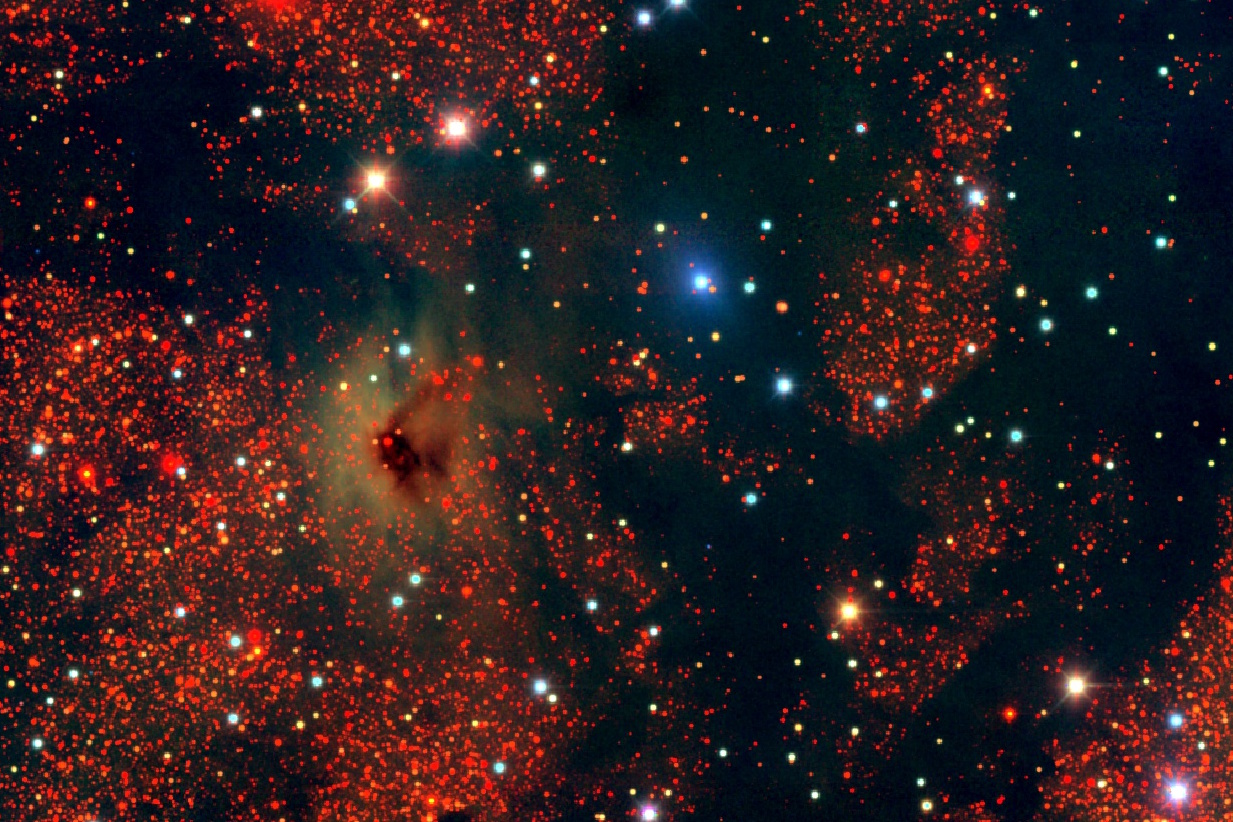
What is the Universe made of? How did it become the way it is today? Where did everything come from? What is the ultimate fate of the cosmos?
For most of human history, these questions had no clear answers. Today, they do. Starts With a Bang, written by Dr. Ethan Siegel, explores what we know about the universe and how we came to know it, bringing the latest discoveries in cosmology and astrophysics directly to you.
Read Less
with
Full Profile
Ethan Siegel is an award-winning PhD astrophysicist and the author of four books, including The Grand Cosmic Story, published by National Geographic.
Groupthink in science isn’t a problem; it’s a myth
Scientists are notoriously resistant to new ideas. Are they falling prey to groupthink? Or are our current theories just that successful?
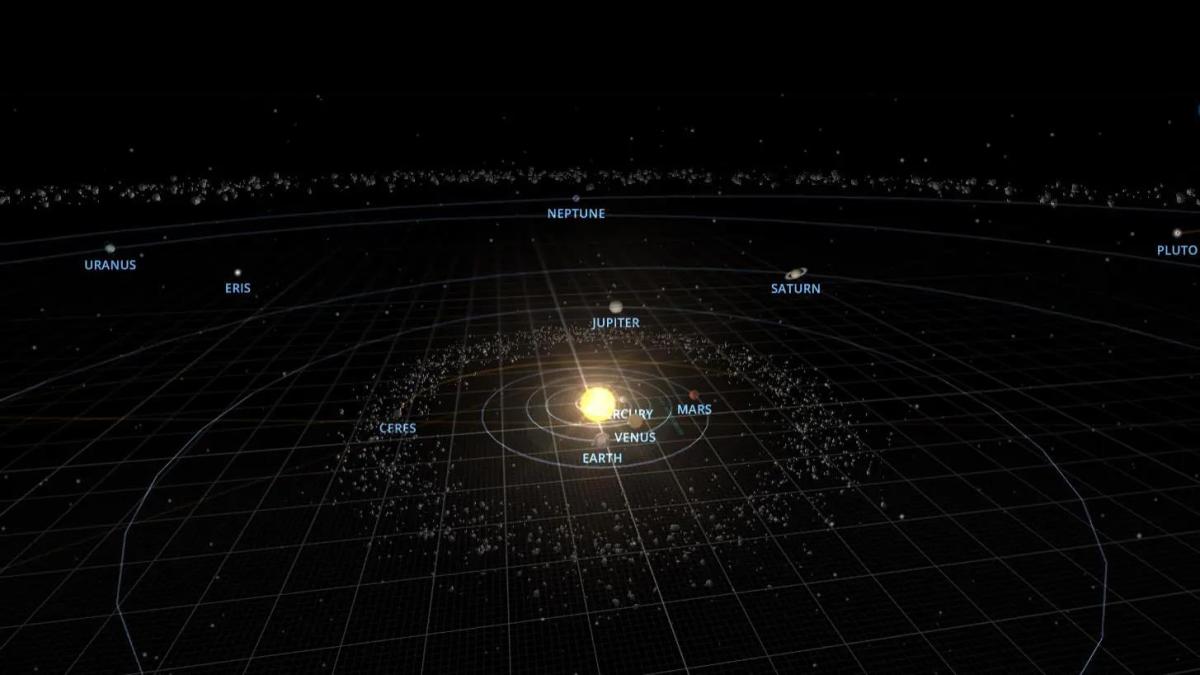
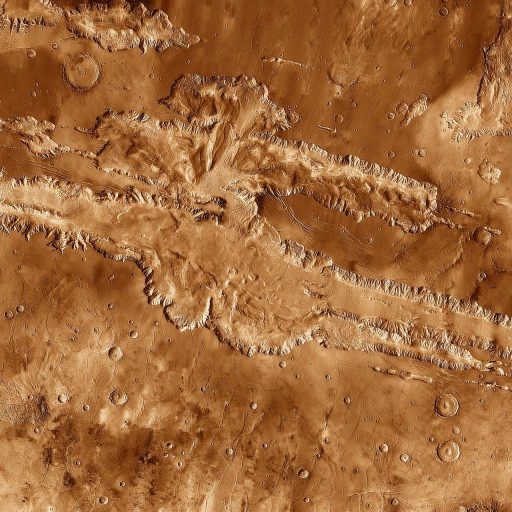
Valles Marineris is the Solar System's grandest canyon, many times longer, wider, and deeper than the Grand Canyon. What scarred Mars so?
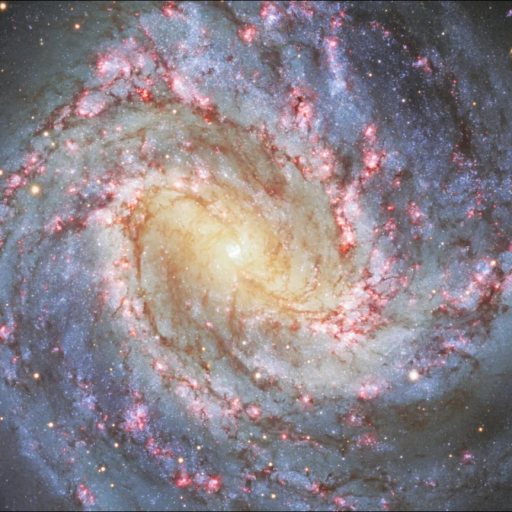
Our own galaxy, the Milky Way, is both completely normal and absolutely remarkable in a number of ways. Here's the story of our cosmic home.
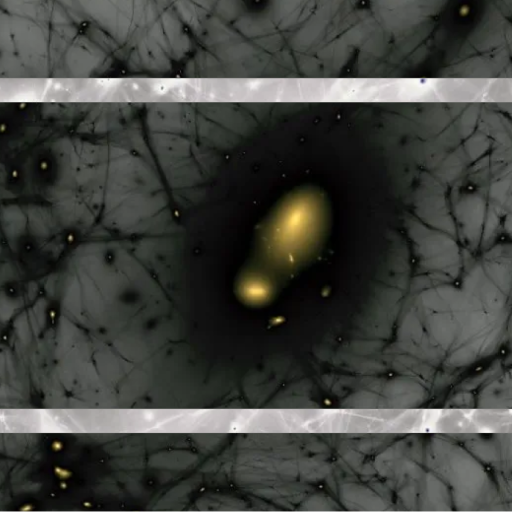
On the largest cosmic scales, galaxies line up along filaments, with great clusters forming at their intersection. Here's how it took shape.
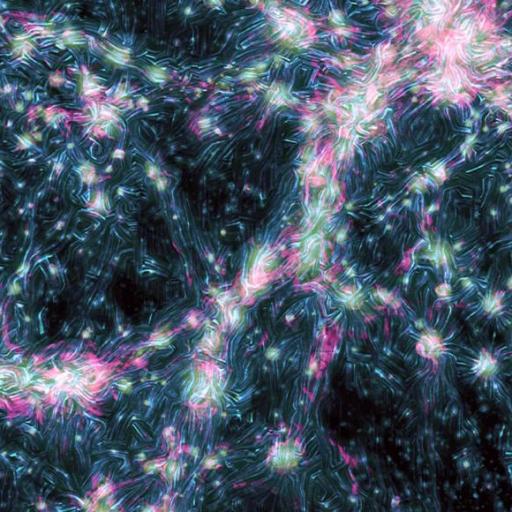
Astronomers claim to have found structures so large, they shouldn't exist. With such biased, incomplete observations, perhaps they don't.
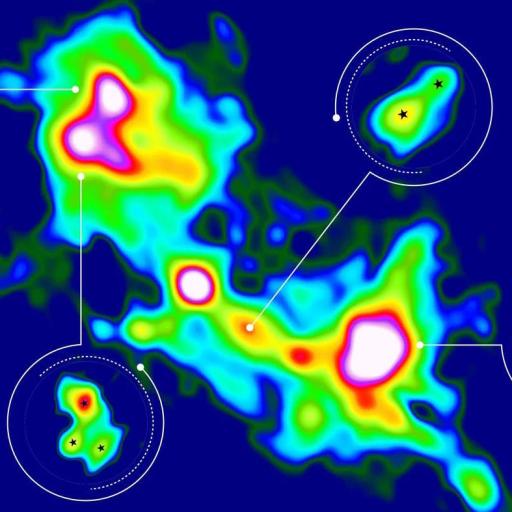
Here in our Solar System, we only have one star: a singlet. For many systems, including the highest-mass ones, that's anything but the norm.
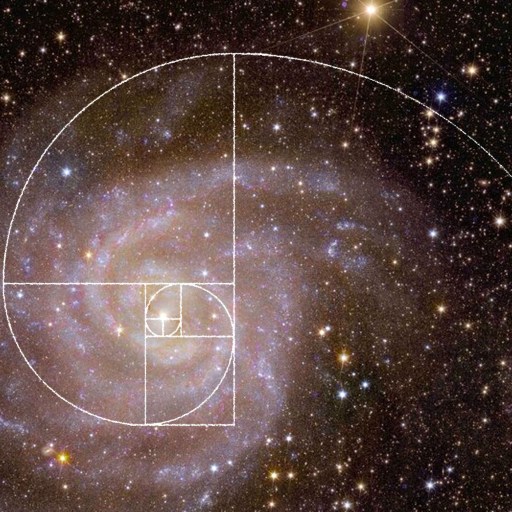
The pattern 1, 1, 2, 3, 5, 8, 13, etc., is the Fibonacci sequence. It shows up all over nature. But what's the full explanation behind it?
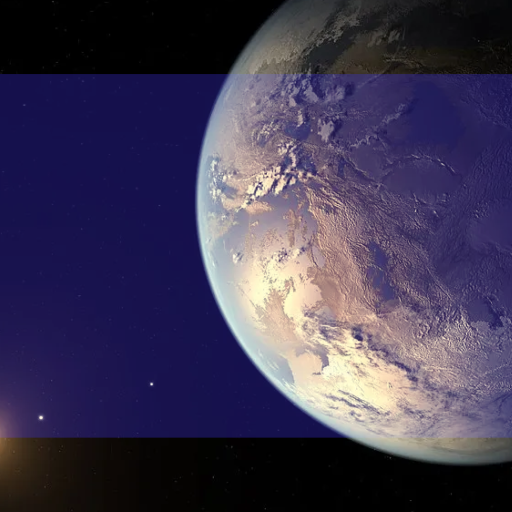
Life became a possibility in the Universe as soon as the raw ingredients were present. But living, inhabited worlds required a bit more.