



Search

Our mission is to answer the biggest questions of all, scientifically.
What is the Universe made of? How did it become the way it is today? Where did everything come from? What is the ultimate fate of the cosmos?
For most of human history, these questions had no clear answers. Today, they do. Starts With a Bang, written by Dr. Ethan Siegel, explores what we know about the universe and how we came to know it, bringing the latest discoveries in cosmology and astrophysics directly to you.
Read Less
with
Full Profile
Ethan Siegel is an award-winning PhD astrophysicist and the author of four books, including The Grand Cosmic Story, published by National Geographic.
Groupthink in science isn’t a problem; it’s a myth
Scientists are notoriously resistant to new ideas. Are they falling prey to groupthink? Or are our current theories just that successful?

Each time you fold a piece of paper, you double the paper's thickness. It doesn't take all that long to even reach the Moon.

Here in the 21st century, quantum computing is quickly going from a dream to a reality. But what's hype, and what's actually true?
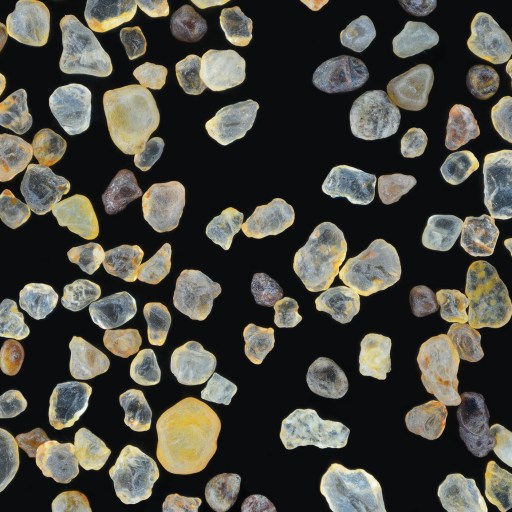
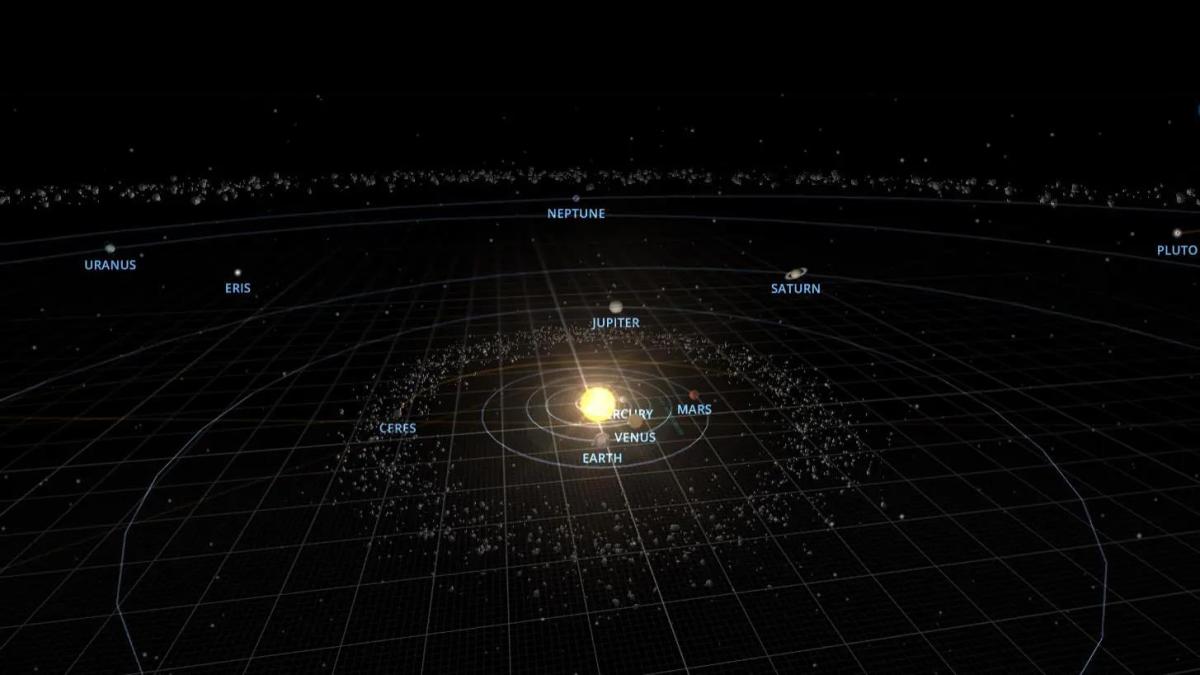
The cosmic scales governing the Universe are almost unbelievably large. What if we shrunk the Sun down to be just a grain of sand?

Figuring out the answer involved a prism, a pail of water, and a 50 year effort by the most famous father-son astronomer duo ever.
With the invention of the leap year, the Julian calendar was used worldwide for over 1500 years. Over time, it led only to catastrophe.
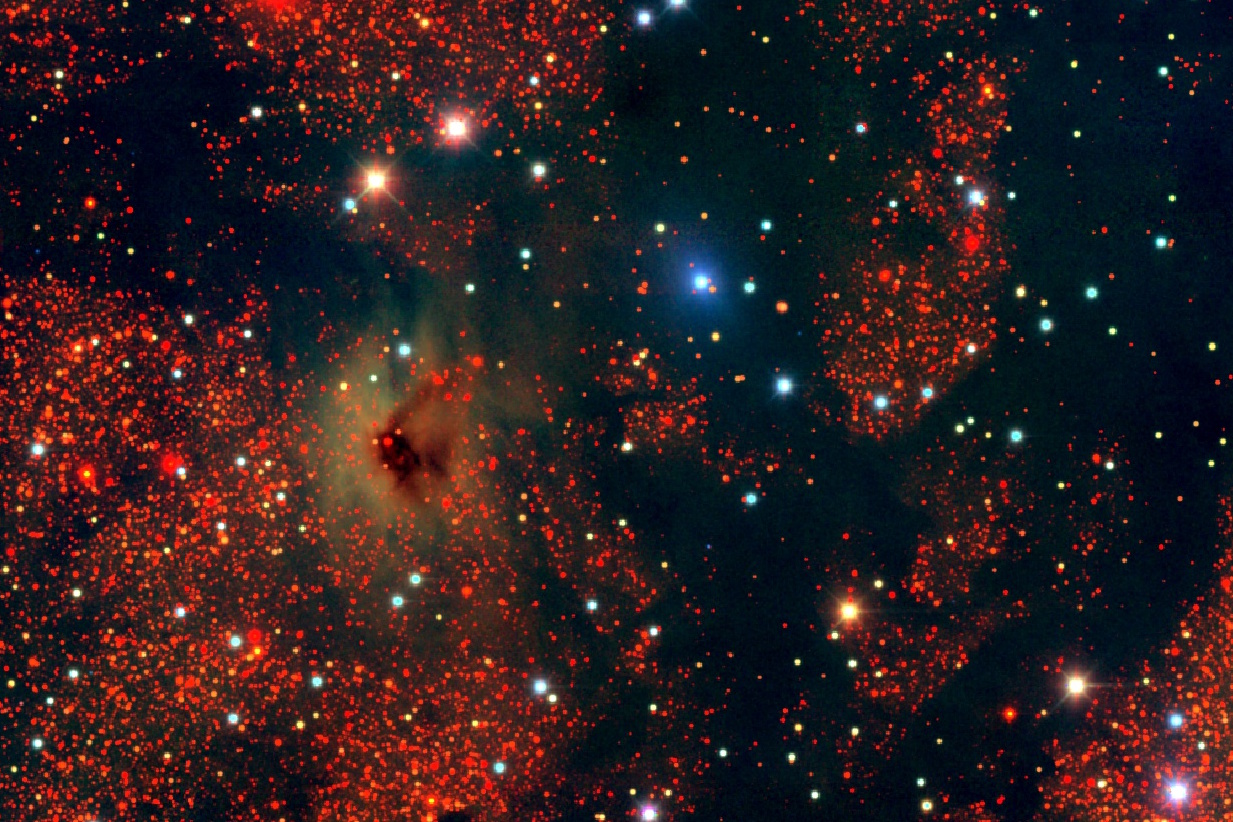
Today, the star-formation rate across the Universe is a mere trickle: just 3% of what it was at its peak. Here's what it was like back then.
Earth wasn't created until more than 9 billion years after the Big Bang. In some lucky places, life could have arisen almost right away.