










As we all still recover from the Paris attacks, remember the beauty and joy of one of the most forgotten French discoveries.
“Truth is more valuable if it takes you a few years to find it.” –Jules Renard
In the 18th century, French astronomer Charles Messier pioneered the science of cataloguing astronomical objects, assisting comet-hunters in avoiding confusion with permanent, deep-sky objects.
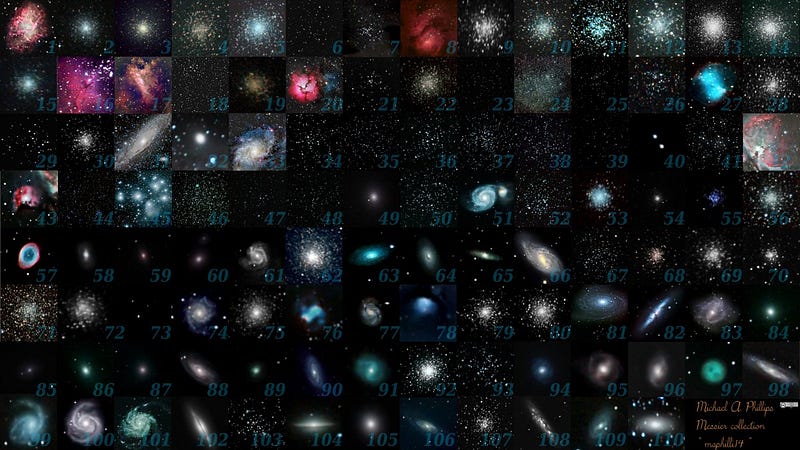
Consisting of 110 objects, the Messier catalogue contains 65 original discoveries by Messier himself, including the Trifid Nebula: Messier 20.
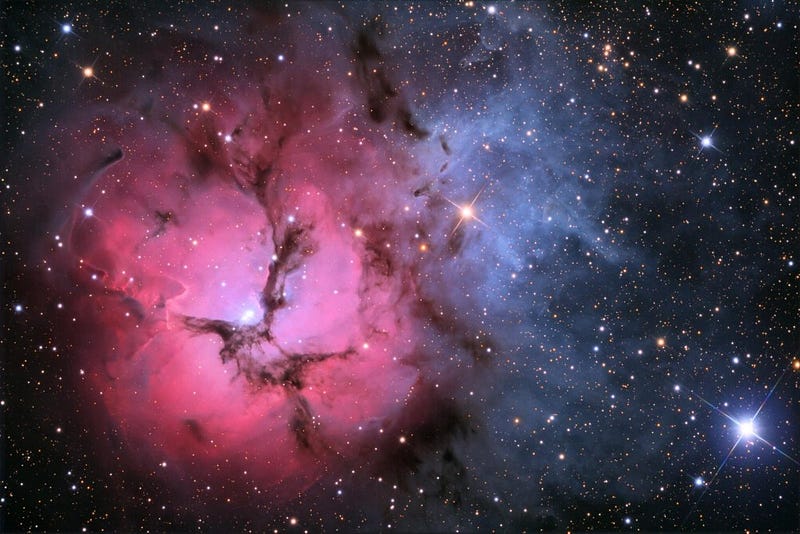
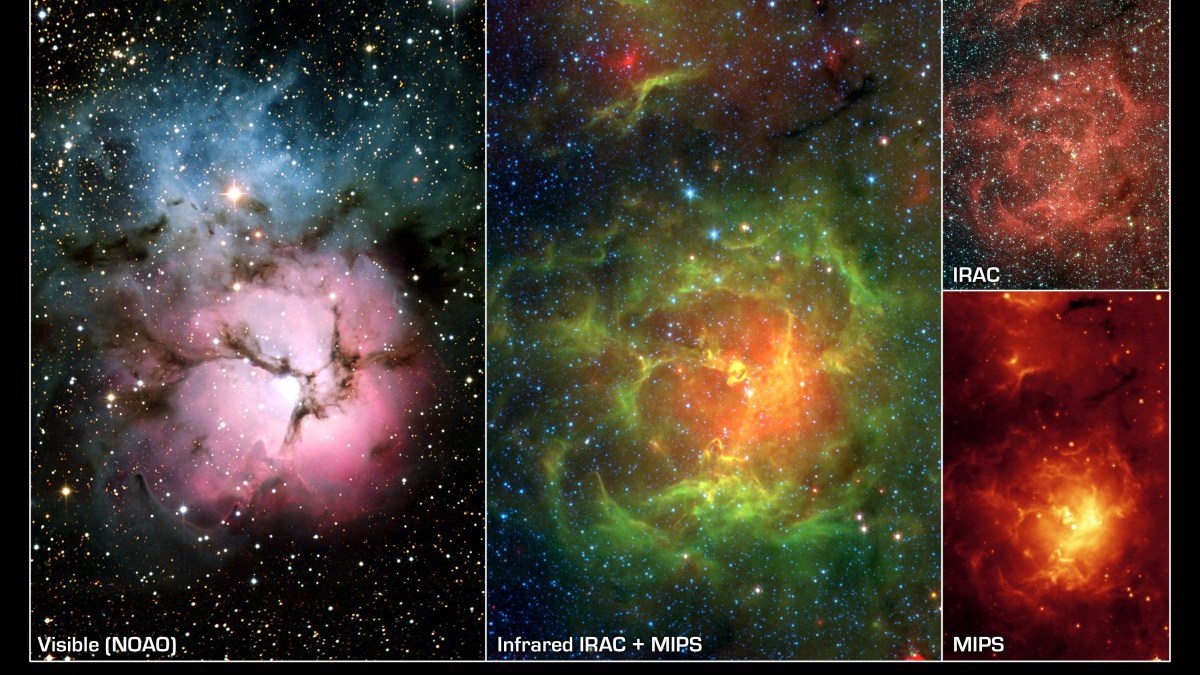
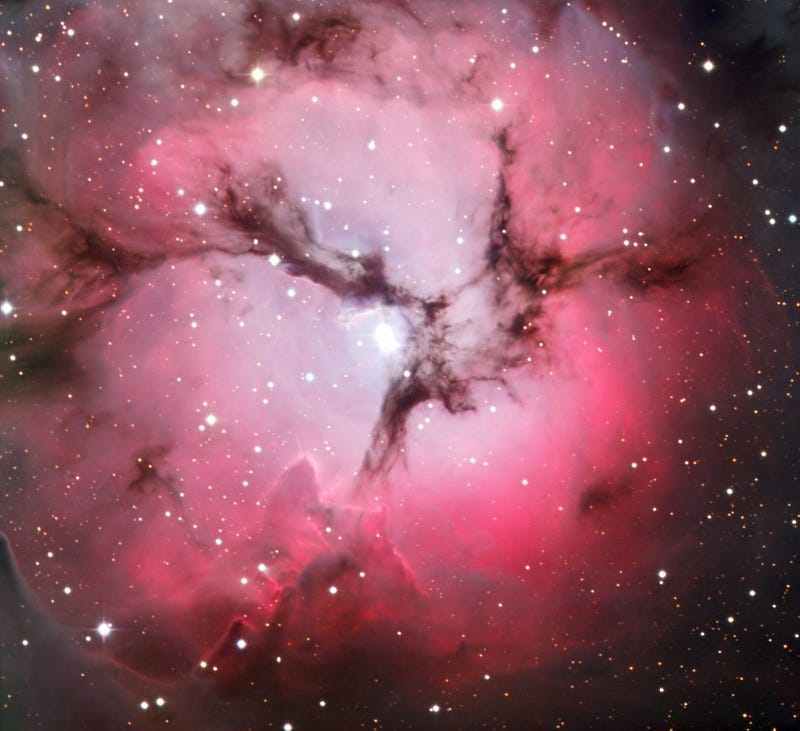
The youngest star-forming nebula in the Milky Way, it’s named “Trifid” because of its three sections: the blue, the red, and the dust-rich region between them.
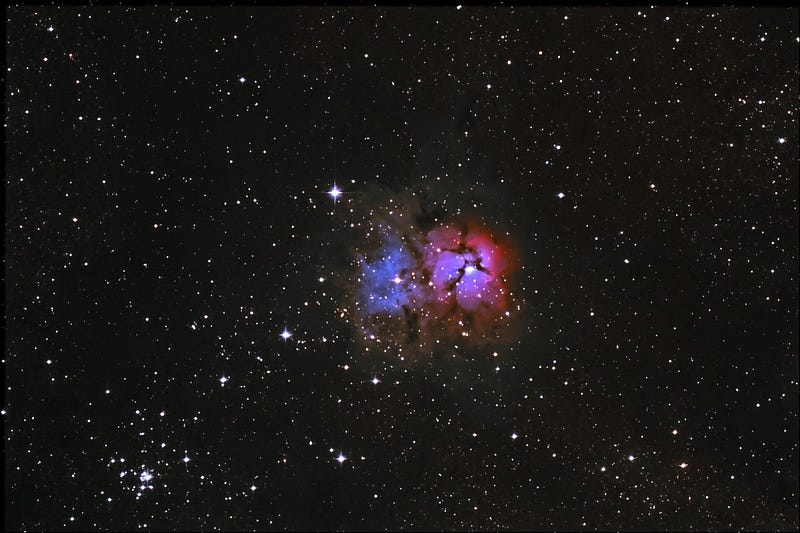
Formed over the past few million years by the collapse of a molecular gas cloud, the three components represent three different stages of evolution in a star-forming nebula.
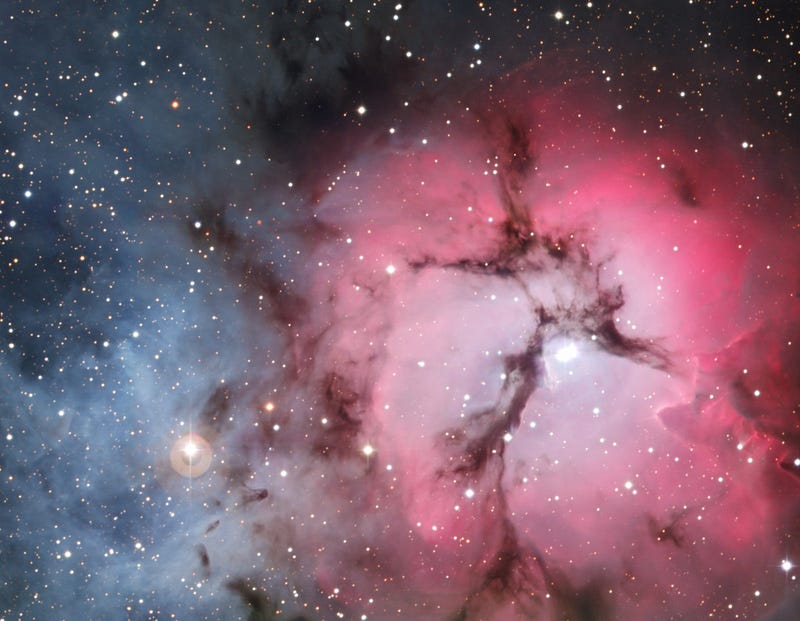
The youngest stars are in the red region: an emission nebula.
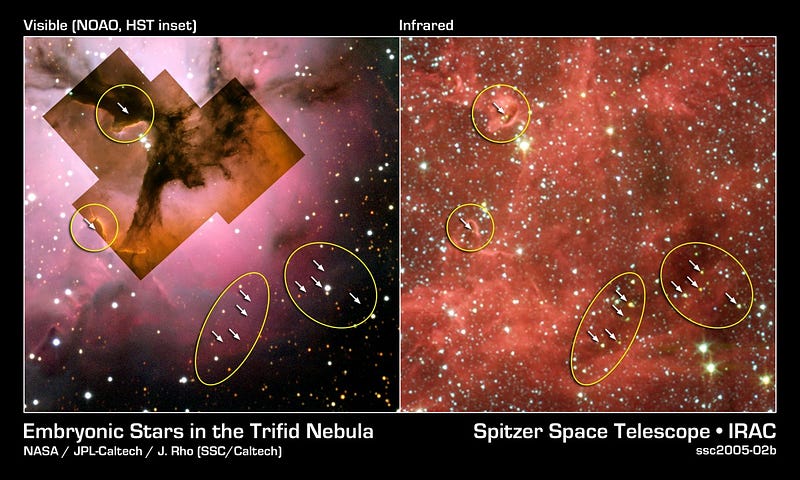
As new stars form, their ultraviolet light ionizes and evaporates the surrounding gas, while the recombining electrons cause the emission of the characteristic red (656.3 nanometer) light.
The blue region is a reflection nebula: emitting no light of its own, but reflecting the light from young, bright nearby stars.
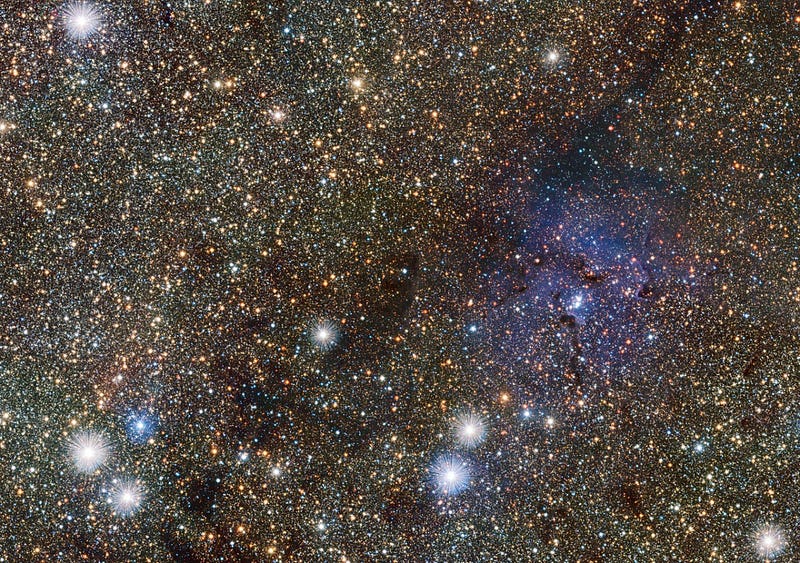
And the dust lanes are stellar nurseries, where gas collapses, leading to new stars.
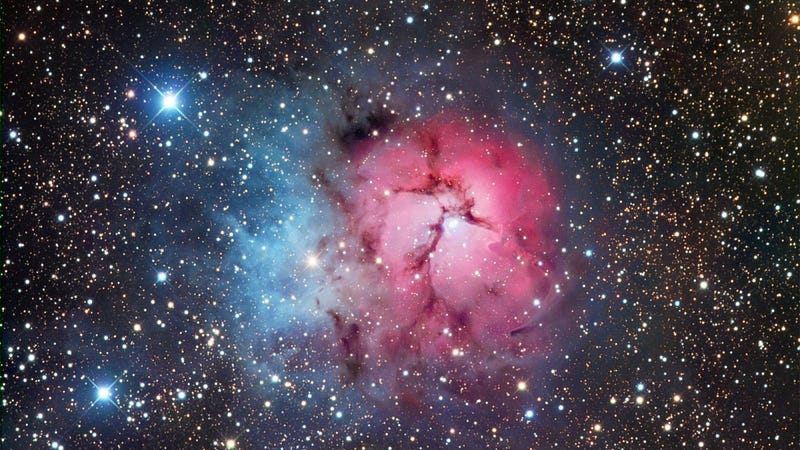
This pattern mimics the tricolor French flag.
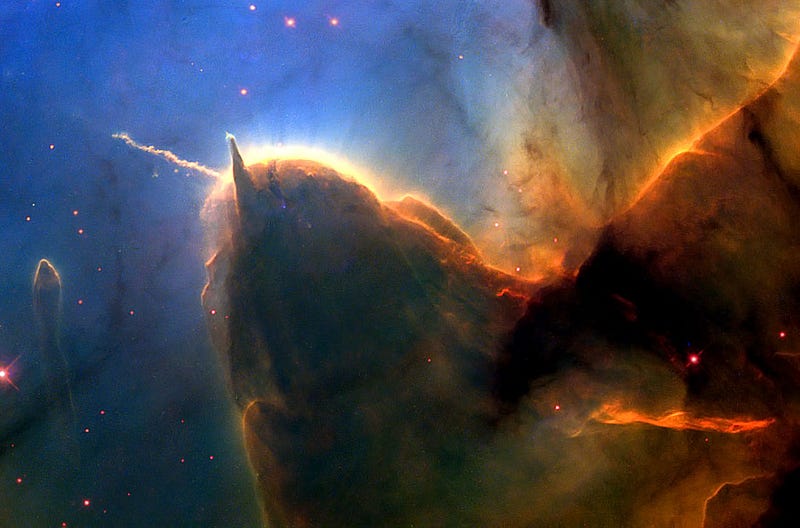
Inside, the shortest-lived stars may yet result in our galaxy’s next supernova.
Mostly Mute Monday tells the story of a single astronomical phenomenon or object in visuals, images, video and no more than 200 words.
Leave your comments on our forum, help Starts With A Bang! deliver more rewards on Patreon, and pre-order our first book, Beyond The Galaxy, today!
A theoretical astrophysicist and science writer, host of popular podcast “Starts with a Bang!”

Leadership masterclass: Nike, Jordan, and James Baldwin