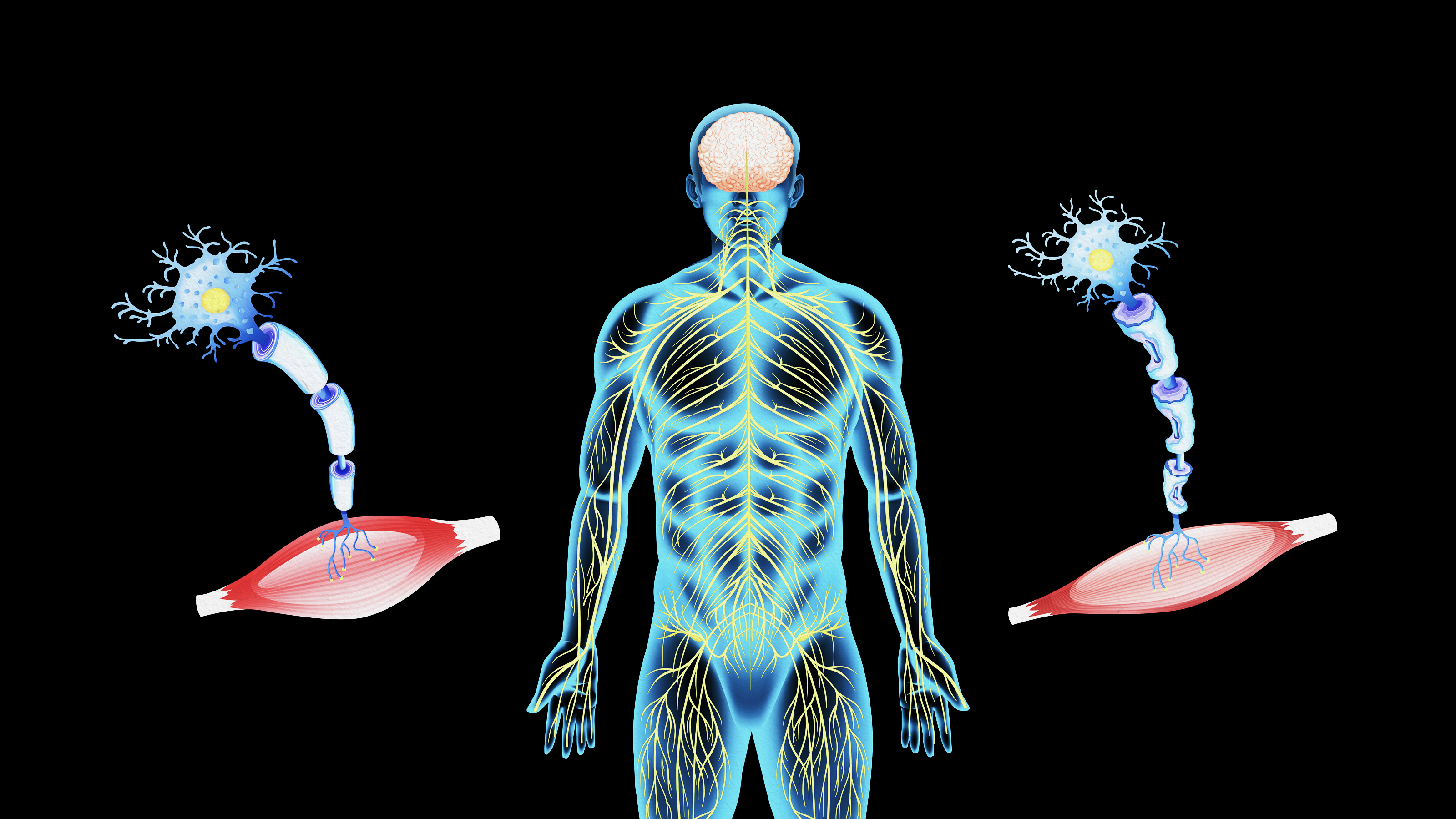


















A discovery that explains why some people cannot give up tobacco may lead to new anti-smoking treatments. Scientists have identified a brain pathway which, when defective, leads to an uncontrollable desire to smoke. It involves a component, or “subunit”, of a receptor protein sensitive to nicotine. Normally, the pathway dampens down the urge to consume more nicotine when levels of the drug reach a critical level. But in some people the mechanism is faulty. The scientists, whose work is reported in the journal Nature, carried out tests on animals with a genetic mutation that leaves them without the receptor sub-unit.

Special Issue
Leadership masterclass: Nike, Jordan, and James Baldwin
George Raveling — the iconic leader who brought Michael Jordan to Nike — shares with Big Think a lifetime of priceless wisdom learned at the crossroads of sports and business.
14 articles