Recently, I’ve been getting calls from the media, asking me about the 1928 Charlie Chaplin movie which shows a person talking into what appears to be a cell phone. How […]
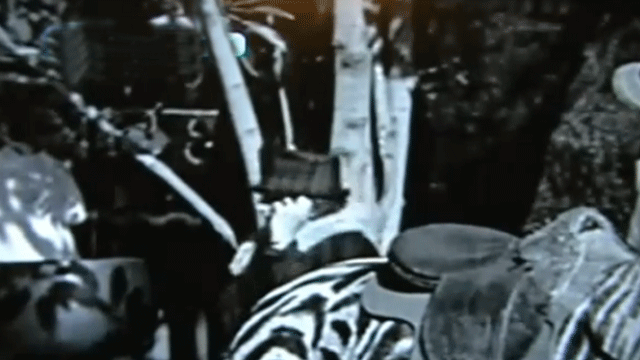
Recently, I’ve been getting calls from the media, asking me about the 1928 Charlie Chaplin movie which shows a person talking into what appears to be a cell phone.
So, most likely the film does not show a time traveler. However, this possibility cannot be ruled out entirely. Einstein’s theory does, in fact, allow for certain forms of time travel, as Einstein himself realized. So if one day, someone knocks on your door and claims to be your great-great-great-… grand daughter, don’t slam the door.
My colleague Stephen Hawking has raised doubts about time travel because: where are the tourists from the future? My personal attitude is that we will have invisibility long before we have time machines. So maybe the tourists from the future are invisible. Maybe they are already here. In fact, for my show “Sci Fi Science,” we filmed experiments done at Duke University showing how objects can in fact disappear under microwave radiation, which was once thought to be impossible.
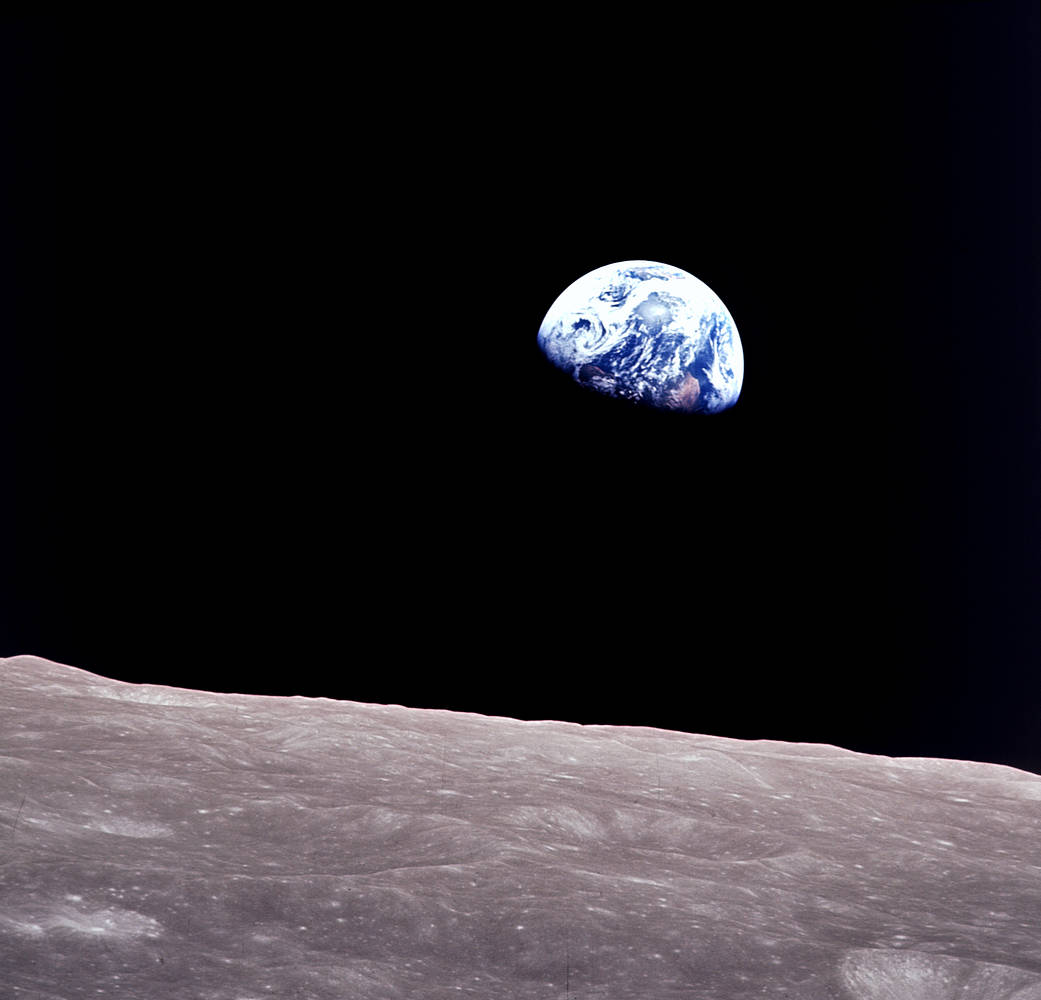
According to Einstein, time is a river which can meander and speed up and slow down. We measure this all the time. Time, for example, beats faster on the moon, and slower on Jupiter. The GPS in your cellphone has to compensate for the fact that time in outer space beats at a different rate than clocks on earth.
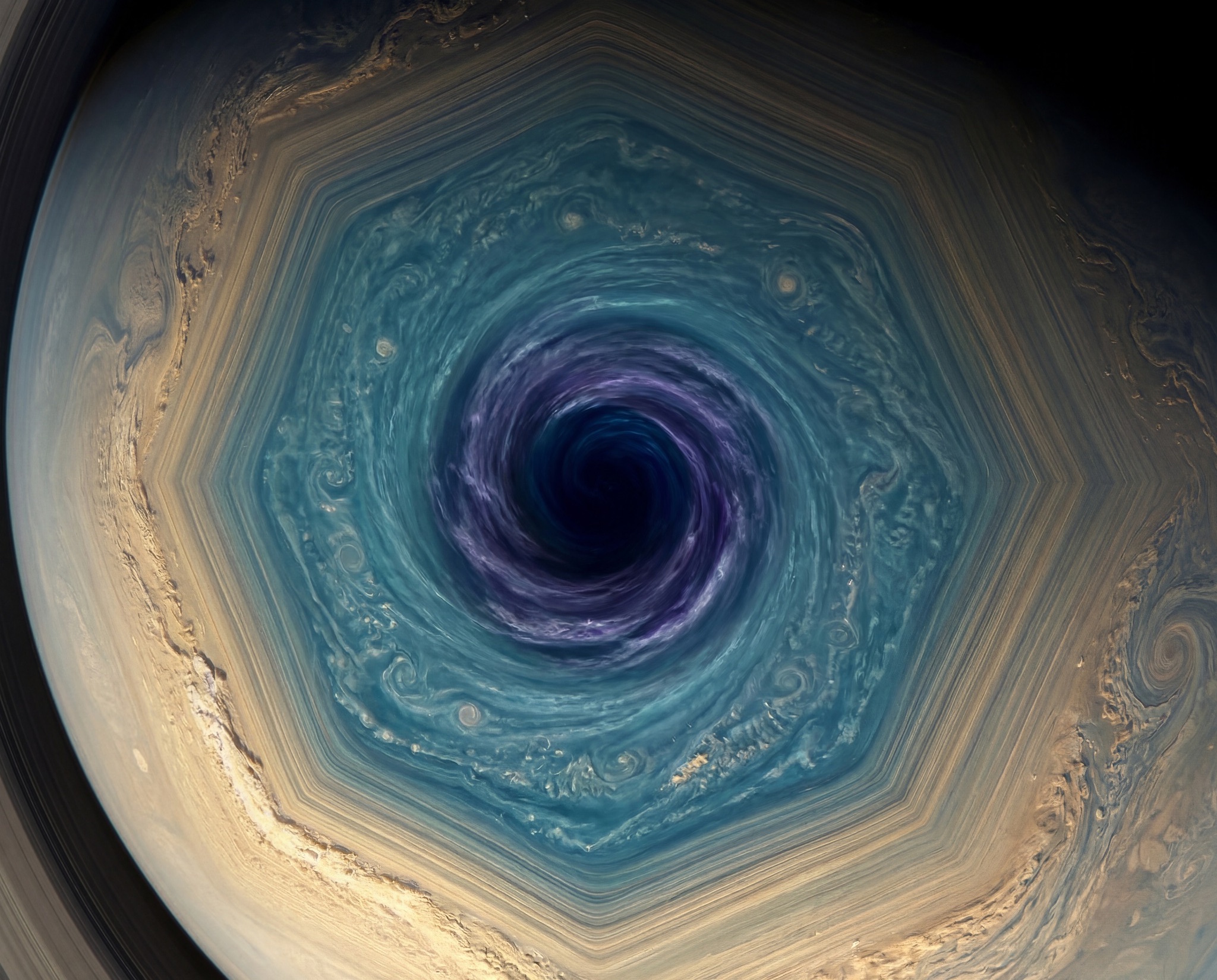
The river of time, in fact, can have whirlpools and can fork into two rivers. If the river of time forks, then there are no time travel paradoxes, since a time traveler simply hops from one time stream into another time stream. So if Michael J. Fox meets his teenage mother before he is born and she falls in love with him, that teenager is not really his mother, but a teenager from a parallel universe who is genetically identical to his mother.
To actually build a time machine, you need positive and negative energy on a cosmic scale. So don’t think that any inventor is going to build a time machine any time soon.