




















A new technology called “Skinput” uses bio-acoustic sensors to allow people to use the skin on their fingers or forearms — or any part of their bodies — as touchpads to control mobile devices. The technology could help people better use the computing power in the mobile devices they carry around with them every day by creating keyboards on the go, or larger touchscreens and jog wheels. “Our skin is always with us, and makes the ultimate interactive touch surface,” said researcher Chris Harrison.
Search
Typing on Skin
A new technology called "Skinput" uses bio-acoustic sensors to allow people to use the skin on their fingers and forearms -- or any part of their bodies -- as touchpads to control mobile devices.



Related Content
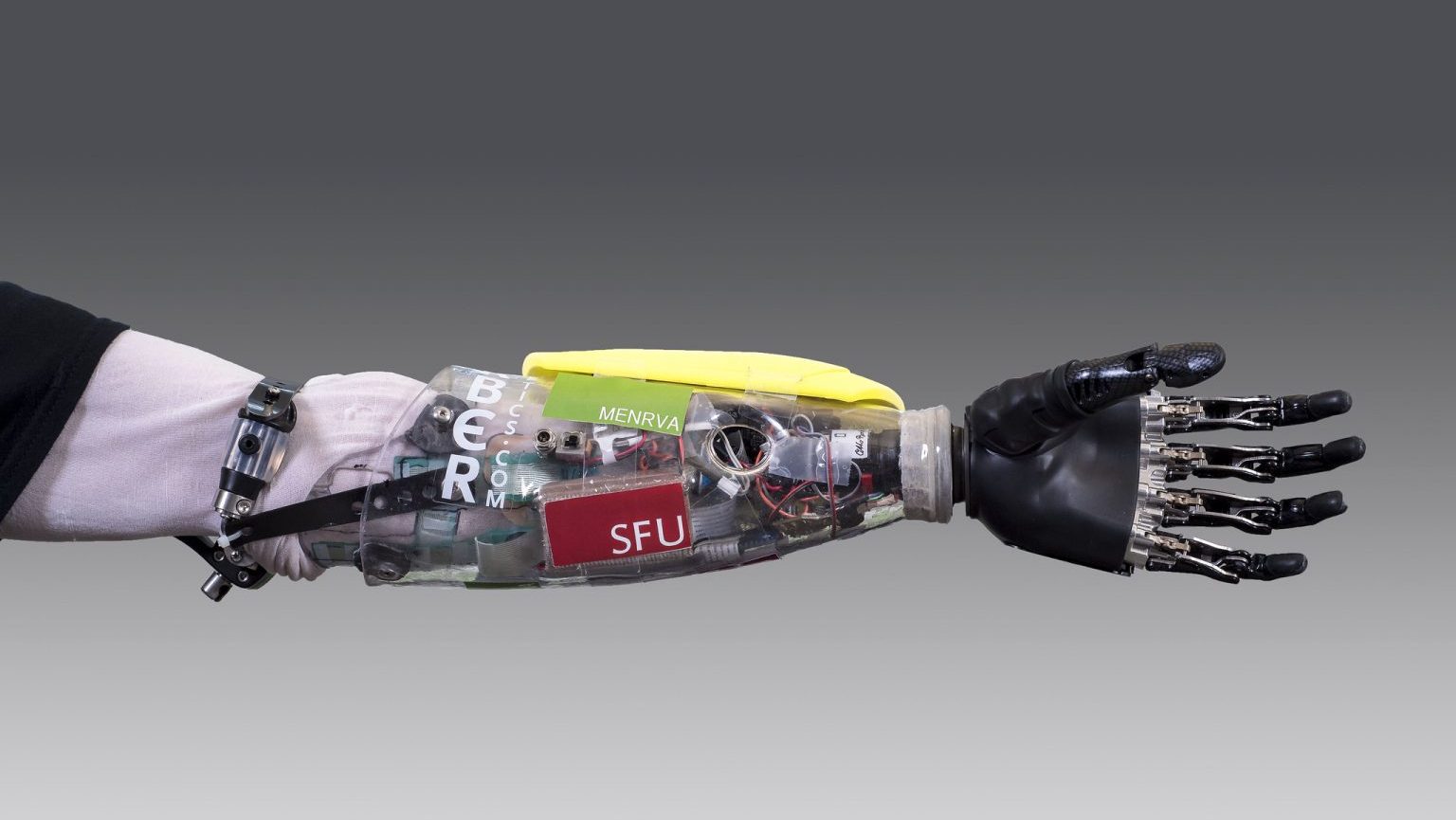
The Cybathlon: Bionic athletes compete for the gold — and push assistive technologies forward
In the international competition, people with physical disabilities put state-of-the-art devices to the test as they race to complete the tasks of everyday life.
The algorithmic ocean: How AI Is revolutionizing marine conservation
Driven by a childhood marked by war and environmental devastation, Dyhia Belhabib developed an innovative technology to combat illegal fishing.
by
Karen Bakker

These 5 recent advances are changing everything we thought we knew about electronics
From wearable electronics to microscopic sensors to telemedicine, new advances like graphene and supercapacitors are bringing "impossible" electronics to life.
by
Ethan Siegel

The engineer who fixed his own heart
When Tal Golesworthy was told he was at risk of his aorta bursting, he wasn’t impressed with the surgery on offer – so he came up with his own idea.
by
Geoff Watts