


















Search
Astrobiology
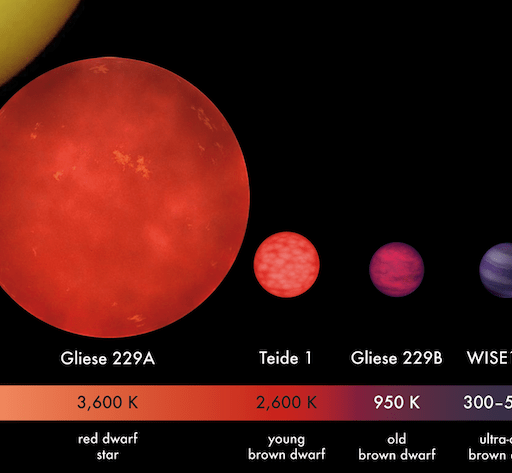
Red dwarfs are the Universe's most common star type. Their flaring now makes potentially Earth-like worlds uninhabitable, but just you wait.
24mins
“Deep down the natural endpoint of this whole goal of looking for planets is to answer the question: are we alone?”

Big Think spoke with astronomer David Kipping about technosignatures, "extragalactic SETI," and being a popular science communicator in the YouTube age.
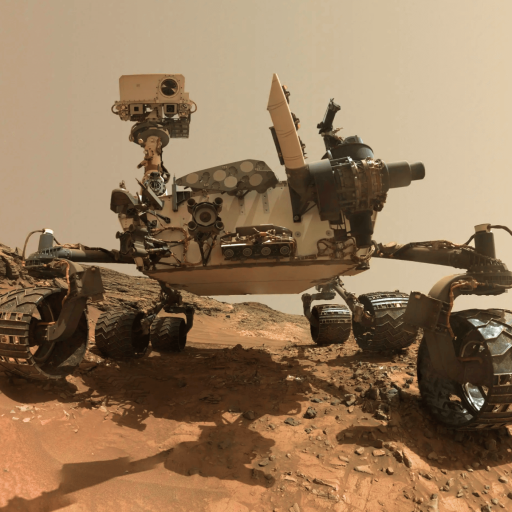
Organic compounds can form through simple chemistry alone — making the search for true biosignatures trickier than it seems.

Questions about our origins, biologically, chemically, and cosmically, are the most profound ones we can ask. Here are today's best answers.

The fear of unleashing forces beyond control has haunted science for centuries.
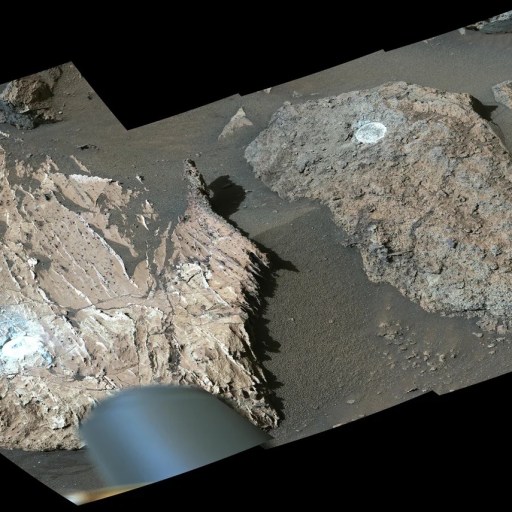
The red planet, Mars, may once have been teeming with life, just as Earth is today. Finding "organics" on Mars, however, doesn't mean life.

The most common type of exoplanet is neither Earth-sized nor Neptune-sized, but in between. Could these haze-rich worlds house alien life?

11mins
"We're stuck at type zero. But what would it take to move between universes? What would it take to enter a black hole? What would it take to break the light barrier?"
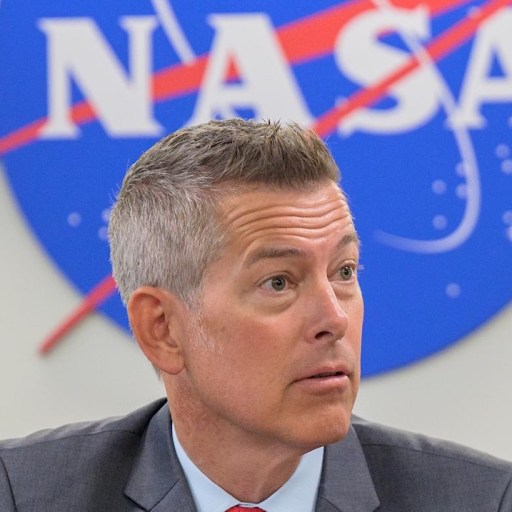
NASA's 1958 charter's top priority was, "the expansion of human knowledge of phenomena in the atmosphere and space." Is this how it ends?
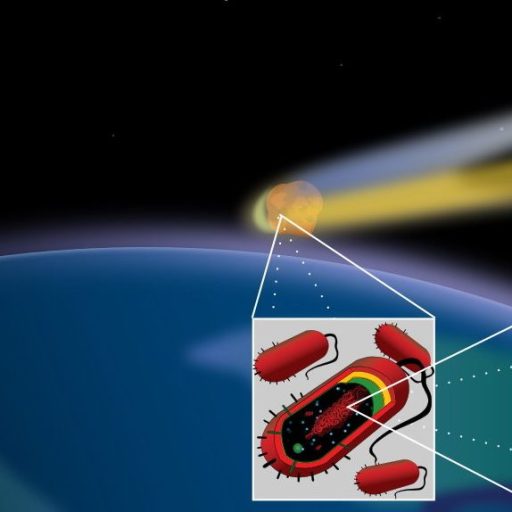
The Universe was born incredibly hot, and has expanded and cooled ever since. Could life have begun back when space was "room temperature?"

2mins
Astrobiologist Betül Kaçar on why the simple act of asking questions (without needing a reason) is one of the most powerful things a human can do.
In the search for life in the Universe, the ultimate goal is to find an inhabited planet beyond Earth. How will we know when we've made it?
19mins
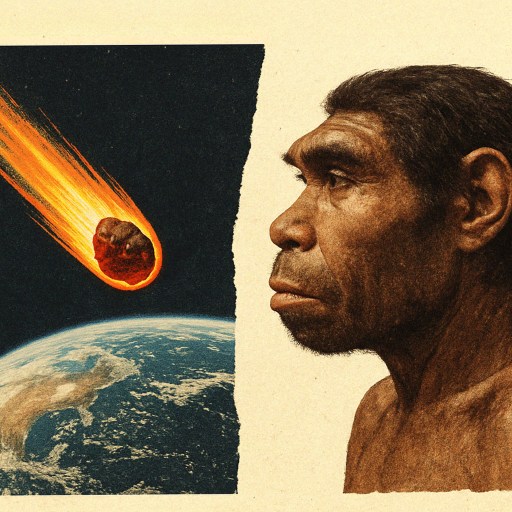
“So many things could have happened in a different way that we wouldn't be here at all, both individually, for sure, and certainly as a species.”
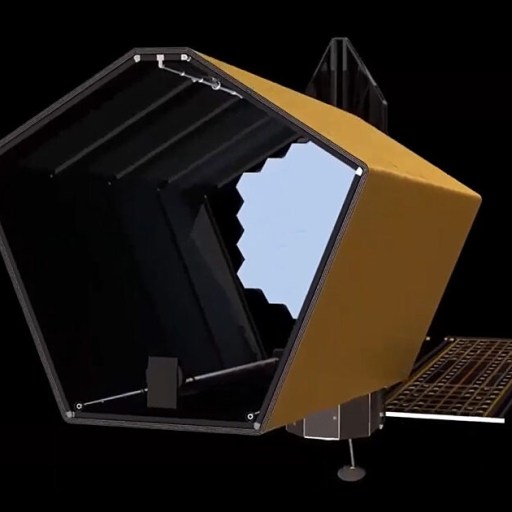
At the end of July, hundreds of scientists convened to plan NASA's upcoming astrophysics flagship mission. Will the US allow it to happen?
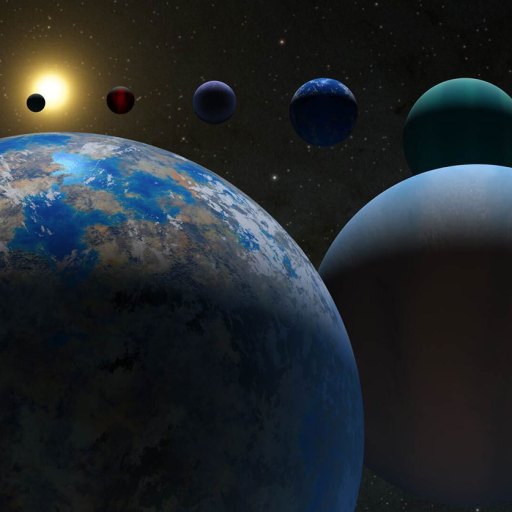
Somewhere, at some point in the history of our Universe, life arose. We're evidence of that here on Earth, but many big puzzles remain.