




Behavioral Economics

Behavioral Economics

An illustration of an eye outline formed by two black arrows, with a blue Earth at the center where the iris would be, on a textured beige and peach background.
An ode to the data visualization tools that help us see what is too vast, complex, or interconnected for the naked eye — from planetary systems to pandemic trends.
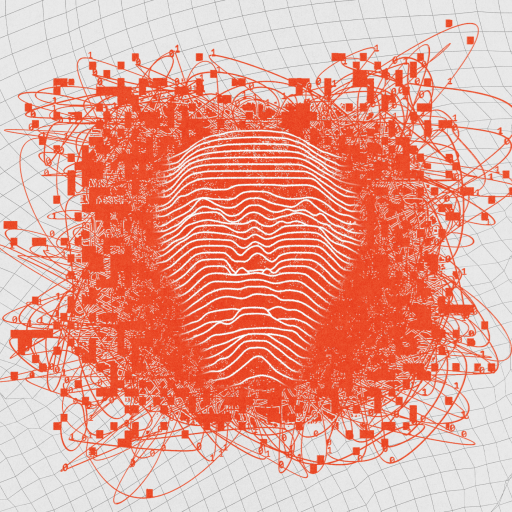
A stylized orange and white face-like shape composed of wavy lines and interconnected geometric patterns on a grid background.
A look at how criminals are using unrestricted chatbots and how cyber defenders are fighting back.
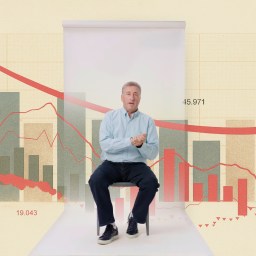
A man sits on a stool in front of a backdrop displaying a declining graph with bar charts and red trend lines, suggesting a downward trend in data.
1 min
“Let me walk you through the biggest traps that you should be aware of that are a danger to your financial wellbeing.”
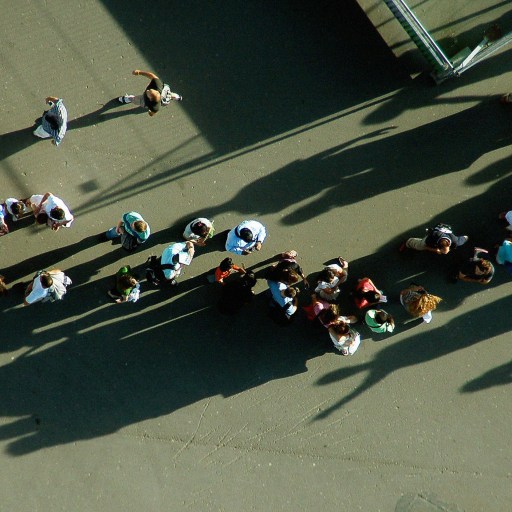
Aerial view of two groups of people waiting in line and walking on a paved surface, casting long shadows in the sunlight.
In this excerpt from "Lucky By Design," Judd Kessler explains how opportunity costs shape our choices and why time is the real price we pay.

A yellow bird silhouette reveals a woman sitting on steps using her laptop, symbolizing the watchful presence of AI canaries, set against a dark, patterned background.
Early warning signs show AI is eating into the entry-level job market — a potential harbinger of things to come.
A pink human profile with a square cutout in the head is beneath a green triangle containing scales of justice.
Members
Behavioral economists Daniel Kahneman and Amos Tversky won the Nobel Prize for mapping the human mind's irrational decision-making biases, and now, with insights from Julia Galef of the Center for Applied Rationality, we can learn to avoid these pitfalls.