











Search
Behavioral Psychology
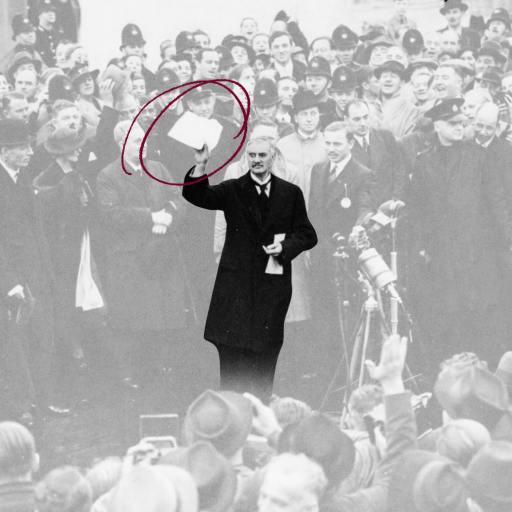
From Hitler to Hamas, Western powers have repeatedly dismissed open threats as bluffs — with catastrophic results.

6mins
Daily habits can help you thrive or quietly turn into addictions. The difference is how your brain handles cues, routines, and rewards. Three experts explain how to work with your wiring instead of against it.
Unlikely Collaborators
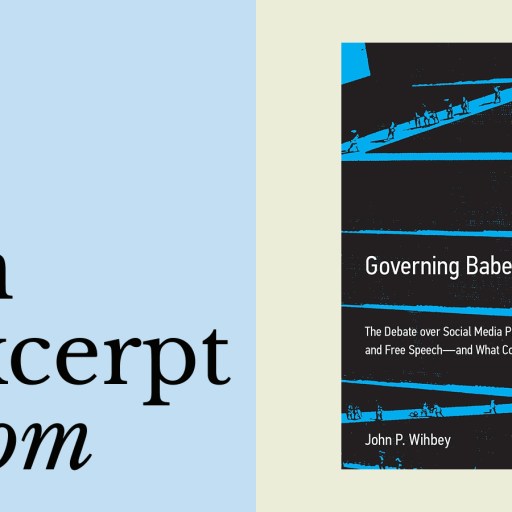
In this excerpt from "Governing Babel," John Wihbey explores how AI is reshaping online moderation by offering tools that can help human moderators, but also raises the risk of disinformation and digital chaos.

Members
High-conflict personalities, characterized by predictable behaviors, create drama in relationships, but by recognizing these patterns in ourselves and others, as suggested by lawyer and therapist Bill Eddy, we can effectively navigate these challenging situations.
32mins
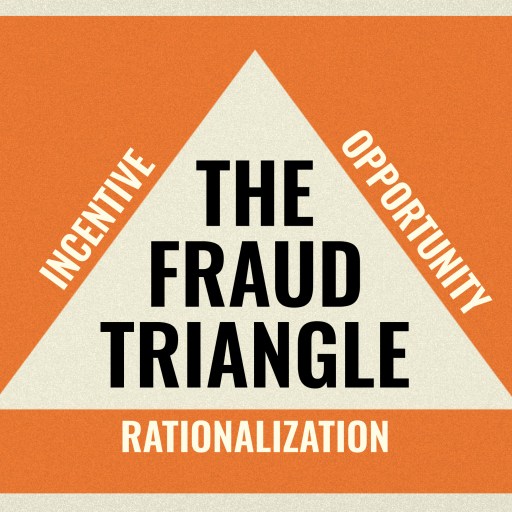
“Fraud is a trillion dollar problem, about $5 trillion today with that number increasingly rising annually.”

1hr 37mins
“A lot of the trends in the economy, in family life have just been much harder for working class men.”

It's OK to hate a frigid pond.
7mins
A neuroscientist, a psychologist, and a psychotherapist discuss how emotions are stories built from old experiences.
Unlikely Collaborators

5mins
“If you ask a computer, it will say, most of the time you want to either be raising or folding, right? You want to take an aggressive action or quit. I think this is a great metaphor for lots of things in real life, too.”

After the trauma of a high-risk medical procedure, Eric Markowitz discovered a kind of consciousness that lives not in thought — but in presence.

Fund manager and writer John Candeto is on a mission to decode the hidden patterns that drive extraordinary outcomes.

1hr 24mins
“There's a very pervasive belief that human nature is fundamentally selfish, but I know for a fact that that can't be true in part because my life was saved by a stranger a long time ago when I was 19.”
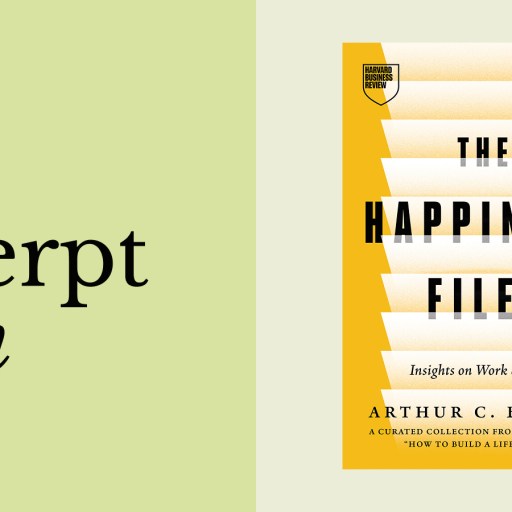
Harvard Kennedy School professor and author Arthur C. Brooks guides us through the give-and-take of feedback — even when it is negative.

17mins
“Anxiety is focused on things that are important to you in life. That is the key.”

Our minds crave simple, linear narratives. But society rarely follows a straight line.
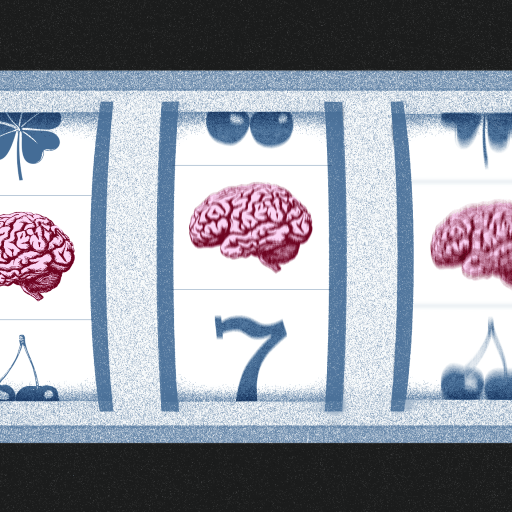
Stuck on a hamster wheel of mindless social media scrolling? Neuroscientist Anne-Laure Le Cunff explains how to consciously redirect your reward system.

How deep is your kink?