






Search
Black Hole
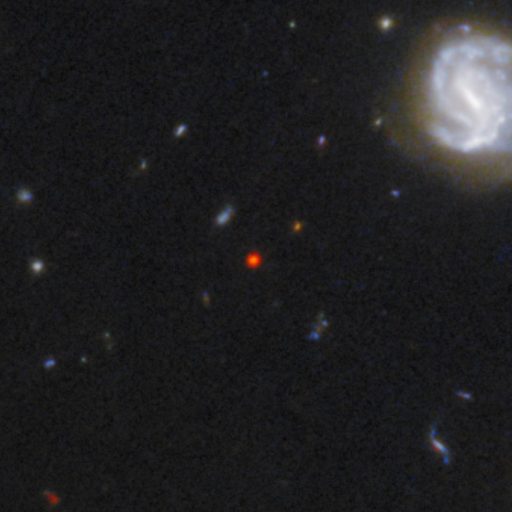
Found by Hubble before JWST's launch, GNz7q looked like a mix of a galaxy and a quasar. Was it actually our first known "little red dot"?
23mins
"Could black holes be the key to a quantum theory of gravity, a deeper theory of how reality, of how space and time works? Well, I think so."
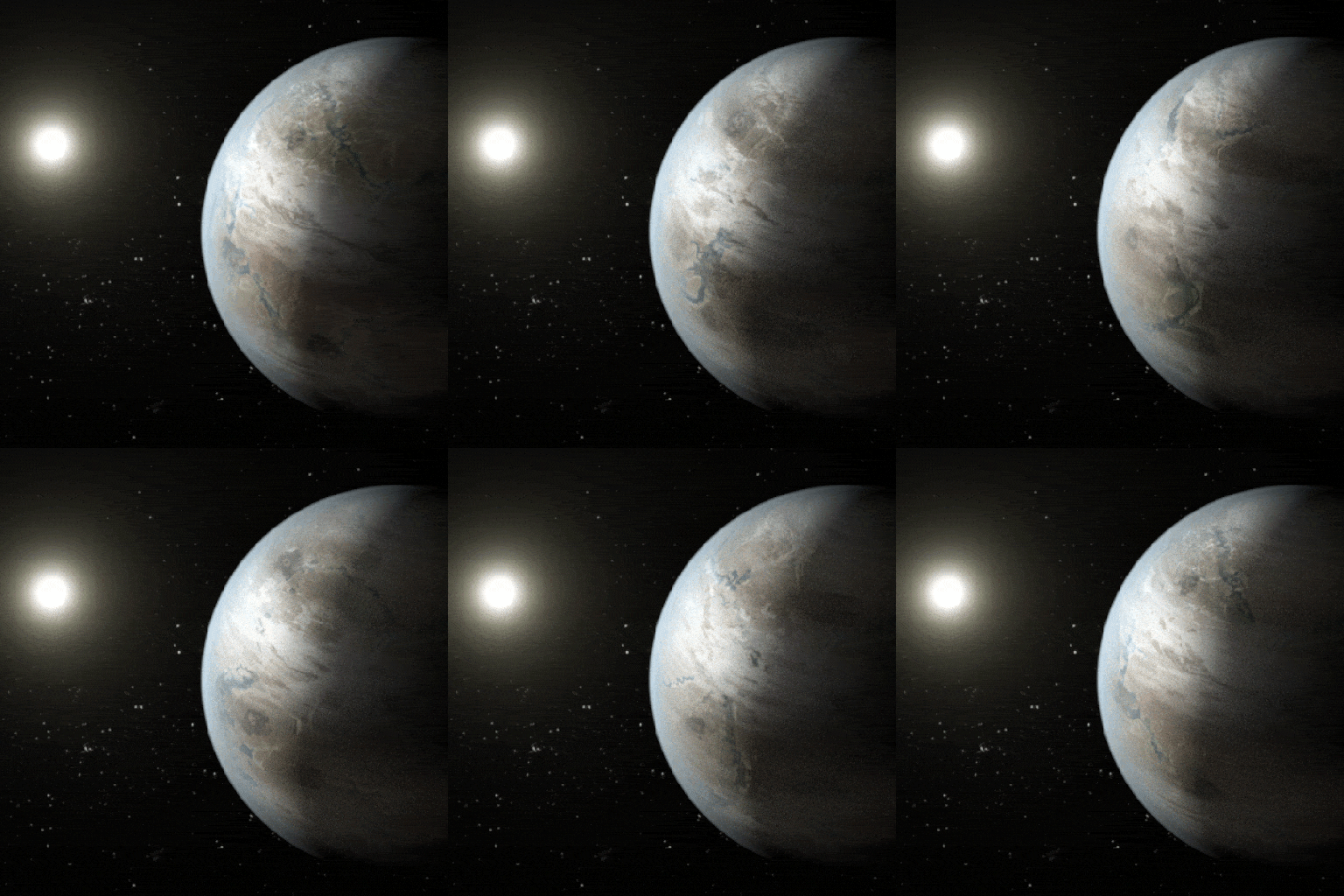
From here on Earth, looking farther away in space means looking farther back in time. So what are distant Earth-watchers seeing right now?
All of the matter that we measure today originated in the hot Big Bang. But even before that, and far into the future, it'll never be empty.
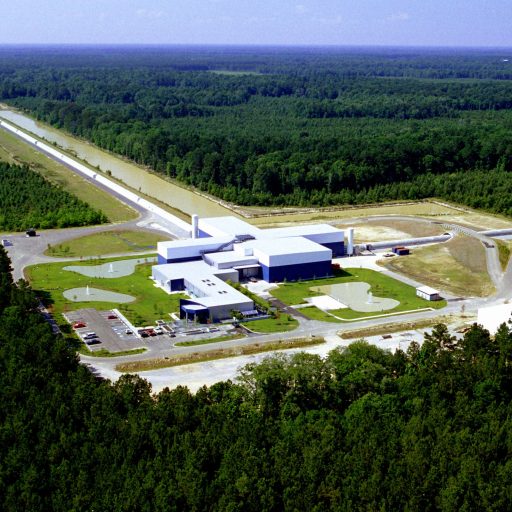
10 years ago, LIGO first began directly detecting gravitational waves. Now better than ever, it's revealing previously unreachable features.

With several seemingly incompatible observations, cosmology faces many puzzles. Could early, supermassive stars be the unified solution?
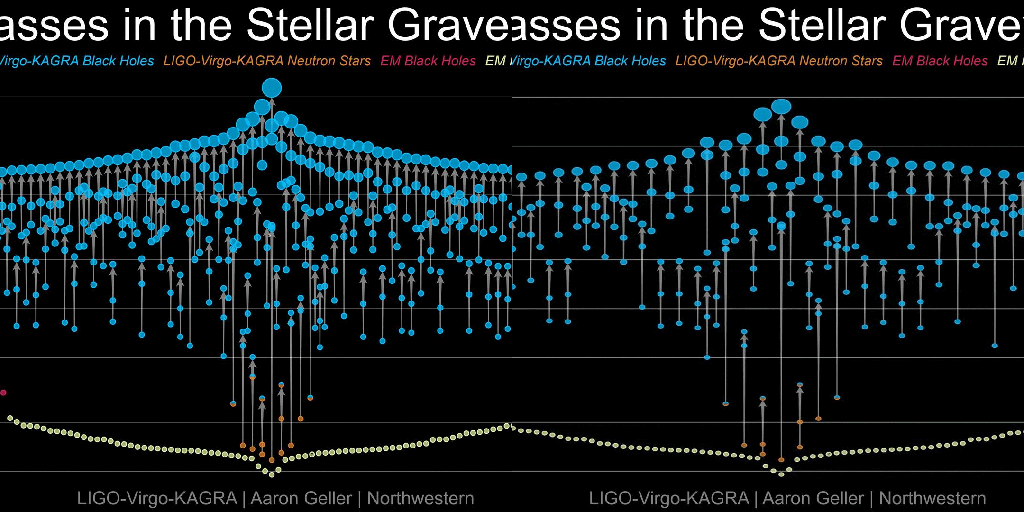
10 years ago, LIGO saw its first gravitational wave. After 218 detections, our view of black holes has changed forever. Can this era endure?
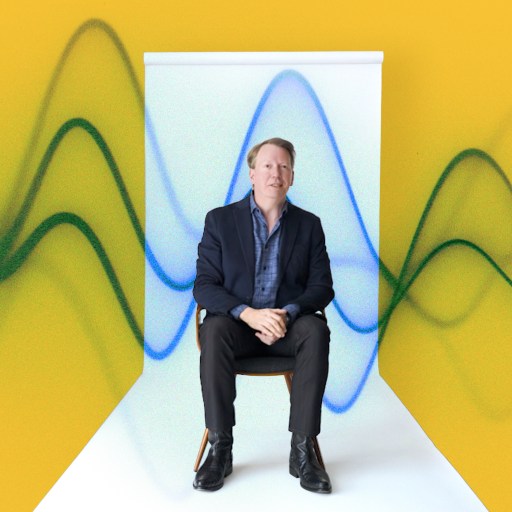
1hr 26mins
“I like to say that physics is hard because physics is easy, by which I mean we actually think about physics as students.”
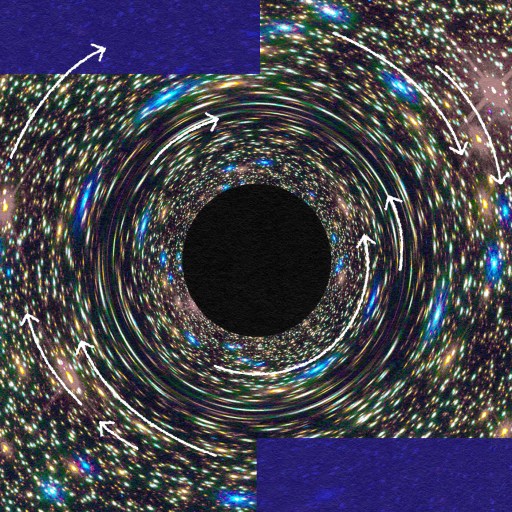
At the center of Hubble's famous "cosmic horseshoe," a very heavy supermassive black hole has been robustly measured. How is it possible?

Amplifying the energy within a laser, over and over, won't get you an infinite amount of energy. There's a fundamental limit due to physics.
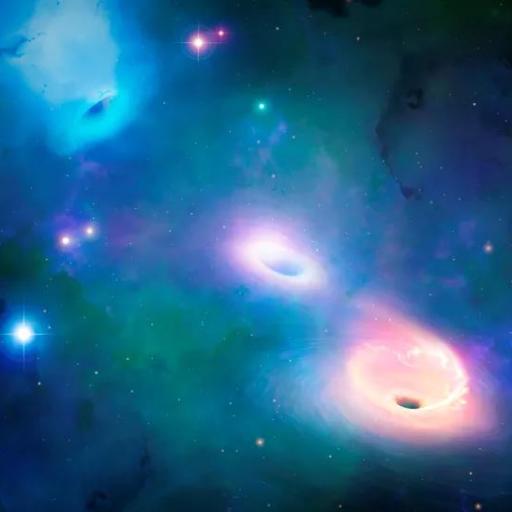
Two supermassive black holes on an inevitable death spiral push the limits of Einstein's relativity. New observations reveal even more.
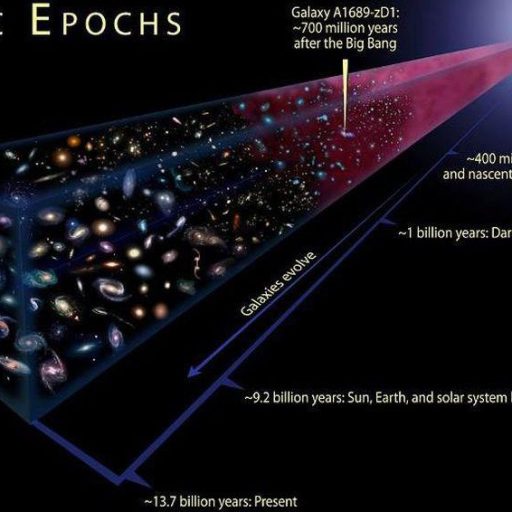
When the Hubble Space Telescope first launched in 1990, there was so much we didn't know. Here's how far we've come.
Once you cross a black hole's event horizon, there's no going back. But inside, could creating a singularity give birth to a new Universe?
With over 300 high-significance gravitational wave detections, we now have a huge unsolved puzzle. Will we invest in finding the solution?
Will we build a successor collider to the LHC? Someday, we'll reach the true limit of what experiments can probe. But that won't be the end.