















Search
Cosmology

For 13.8 billion years, the Universe has been expanding. But that couldn't have been the case for an eternity, and science has proven it.

Dark matter has never been directly detected, but the astronomical evidence for its existence is overwhelming. Here's what to know.
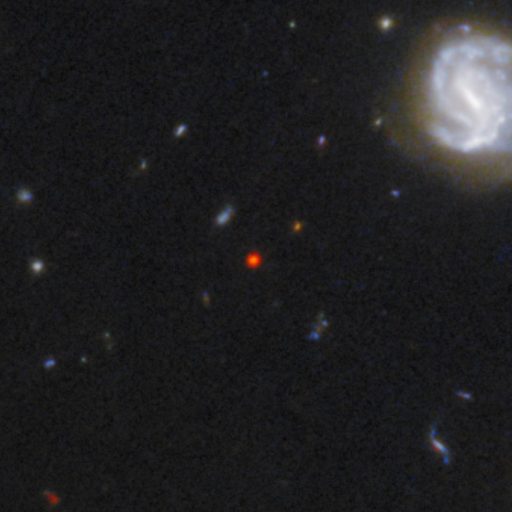
Found by Hubble before JWST's launch, GNz7q looked like a mix of a galaxy and a quasar. Was it actually our first known "little red dot"?
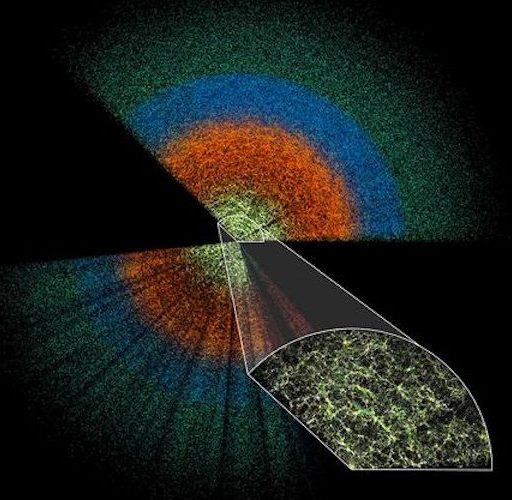
Observations with the Hubble space telescope helped cement dark energy and reveal the Hubble tension. How are these two things so different?
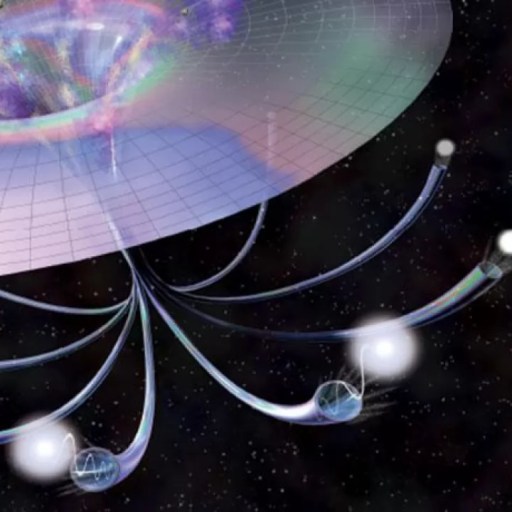
Inflation's two main criticisms, that it can predict anything and that the "measure problem" remains unsolved, can't erase its successes.
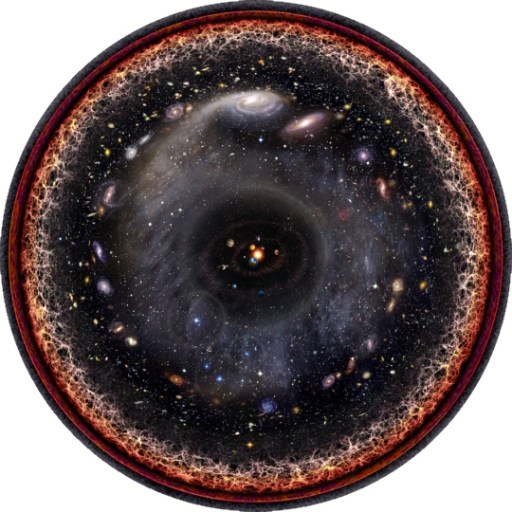
If you think of the Big Bang as an explosion, we can trace it back to a single point-of-origin. But what if it happened everywhere at once?

The hot Big Bang is often touted as the beginning of the Universe. But there's one piece of evidence we can't ignore that shows otherwise.

As we gain new knowledge, our scientific picture of how the Universe works must evolve. This is a feature of the Big Bang, not a bug.

The fear of unleashing forces beyond control has haunted science for centuries.

Since even before Einstein, physicists have sought a theory of everything to explain the Universe. Can positive geometry lead us there?

With several seemingly incompatible observations, cosmology faces many puzzles. Could early, supermassive stars be the unified solution?
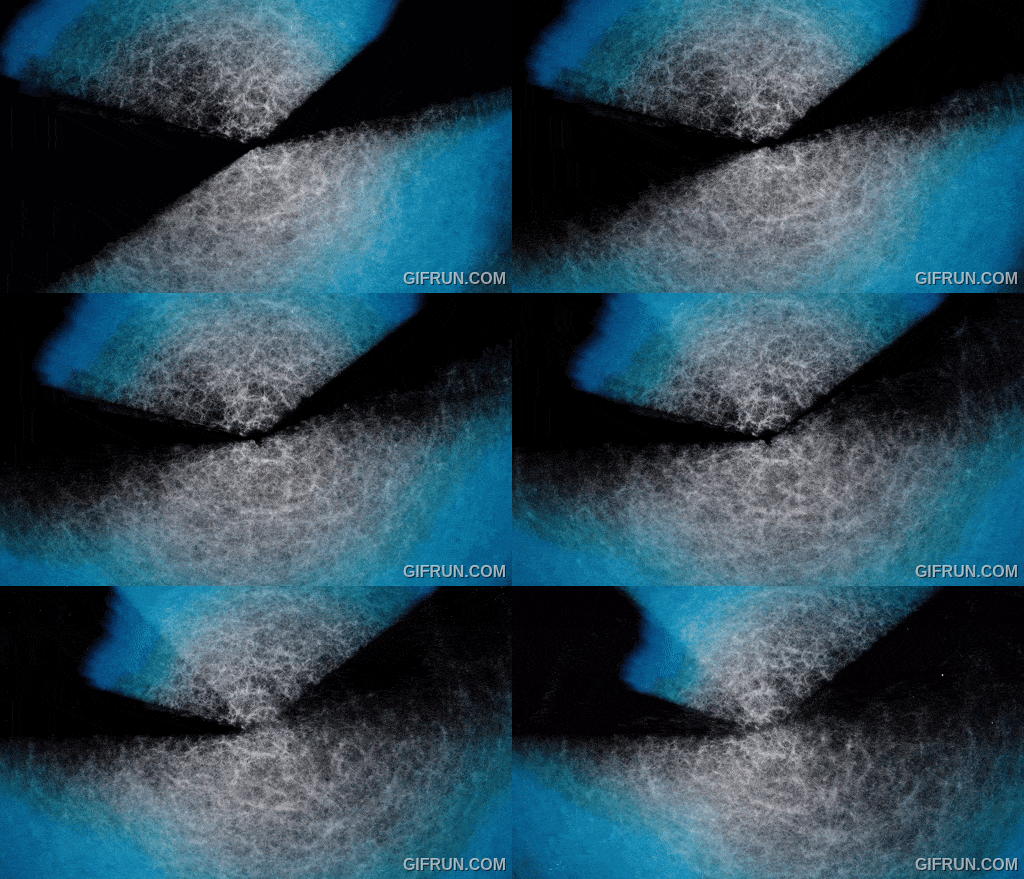
The Universe isn't just expanding; the expansion is accelerating. If different methods yield incompatible results, is dark energy evolving?
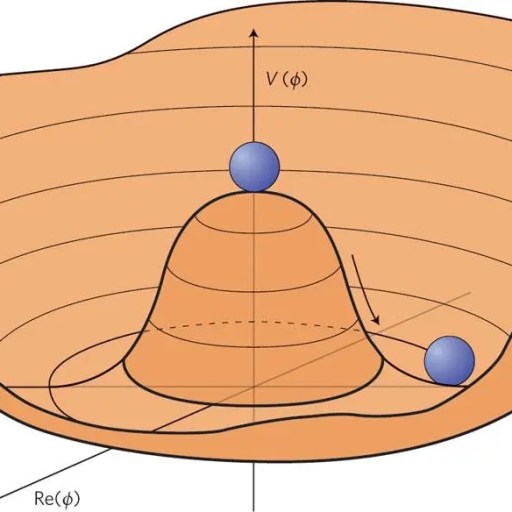
Throughout history, "free energy" has been a scammer's game, such as perpetual motion. But with zero-point energy, is it actually possible?

Just 13.8 billion years after the hot Big Bang, we can see 46.1 billion light-years away in all directions. Doesn't that violate...something?
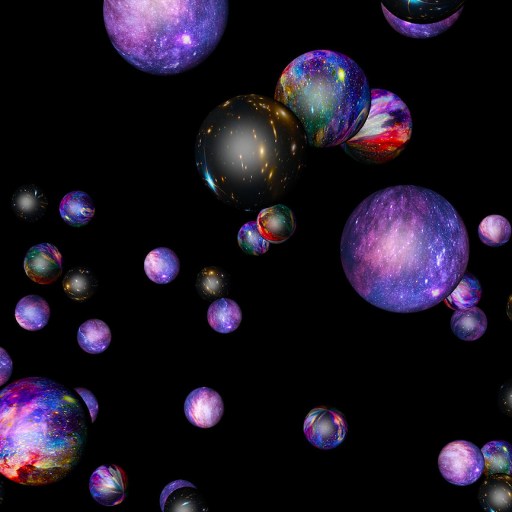
Parallel universes are among the most profound notions in all of quantum physics. It's a compelling and fascinating idea, but is it true?

When it comes to our Universe's origins, scientists discuss the Big Bang, cosmic inflation, and other theories. Why doesn't "God" come up?

On the largest scales, galaxies don't simply clump together, but form superclusters. Too bad they don't remain bound together.
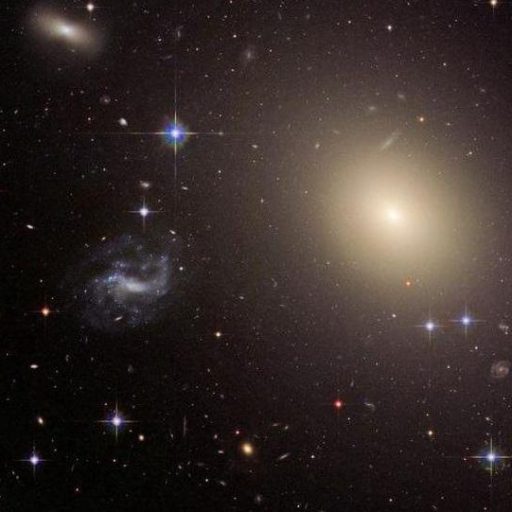
The Big Bang was hot, dense, uniform, and filled with matter and energy. Before that? There was nothing. Here's how that's possible.
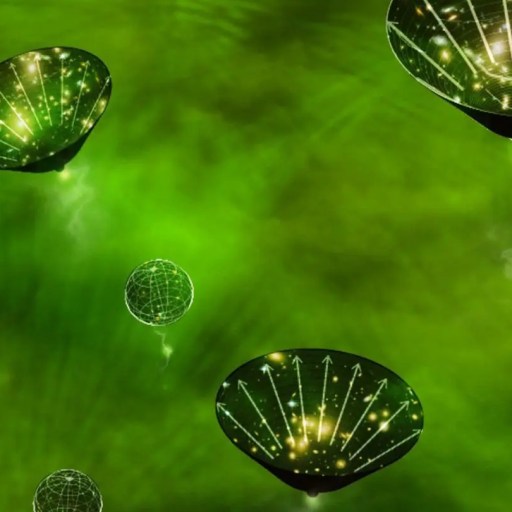
Once you cross a black hole's event horizon, there's no going back. But inside, could creating a singularity give birth to a new Universe?