















Search
Dark Matter
There's some, but not overwhelming, evidence that dark energy is evolving. What would it take for a "Big Crunch" to be our cosmic fate?

Nearly 100 years after being theorized, the strange behavior of the neutrino still mystifies us. They could be even stranger than we know.

For 13.8 billion years, the Universe has been expanding. But that couldn't have been the case for an eternity, and science has proven it.

Dark matter has never been directly detected, but the astronomical evidence for its existence is overwhelming. Here's what to know.

We've long known we can't go back to infinite temperatures and densities. But the hottest part of the hot Big Bang remains a cosmic mystery.
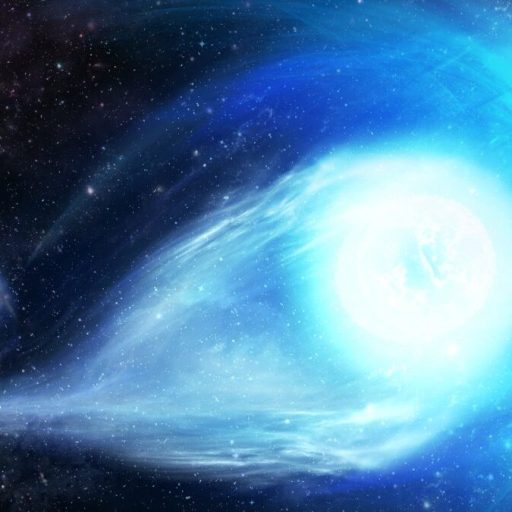
As the Universe ages, it continues to gravitate, form stars, and expand. And yet, all this will someday end. Do we finally understand how?
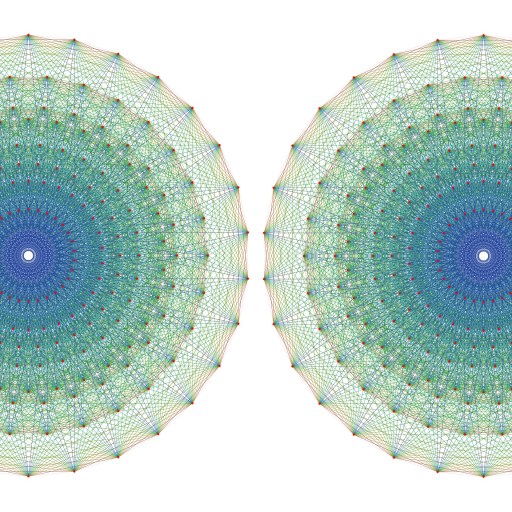
The Holy Grail of physics is a Theory of Everything: where a single equation describes the whole Universe. But maybe there simply isn't one?

Since even before Einstein, physicists have sought a theory of everything to explain the Universe. Can positive geometry lead us there?

With several seemingly incompatible observations, cosmology faces many puzzles. Could early, supermassive stars be the unified solution?
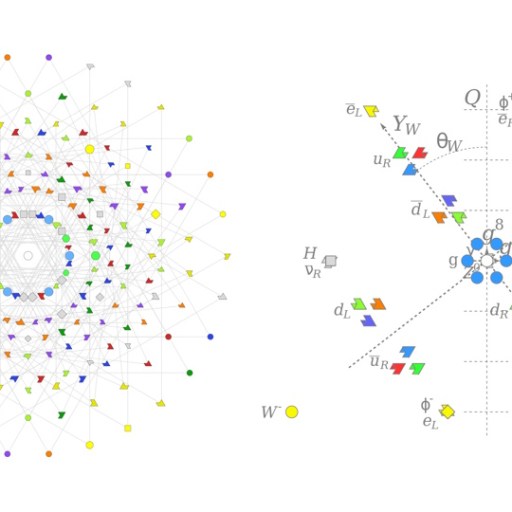
When you don't have enough clues to bring your detective story to a close, you should expect that your educated guesses will all be wrong.
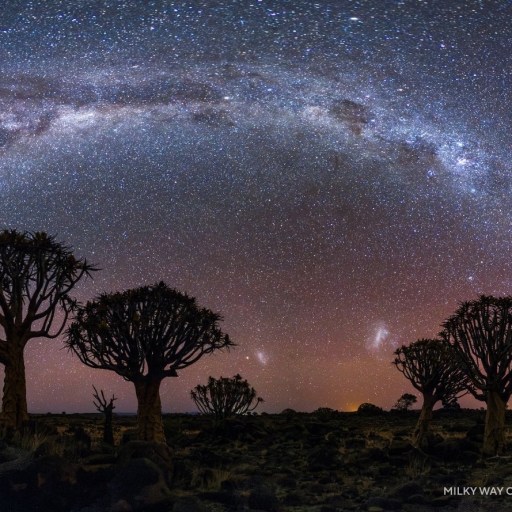
Across planet Earth, dark and pristine night skies are an increasingly rare resource. These photos showcase the best of what we still have.

On the largest scales, galaxies don't simply clump together, but form superclusters. Too bad they don't remain bound together.
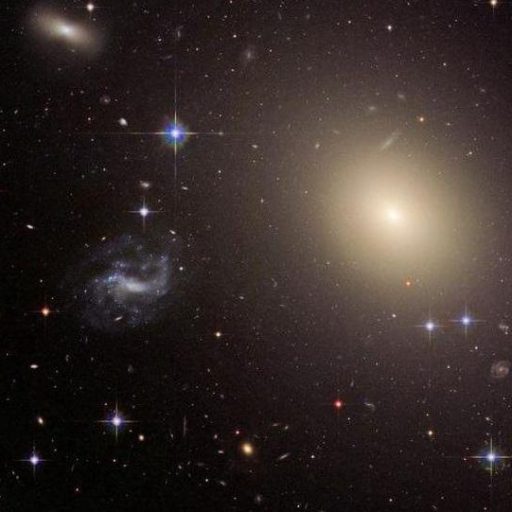
The Big Bang was hot, dense, uniform, and filled with matter and energy. Before that? There was nothing. Here's how that's possible.
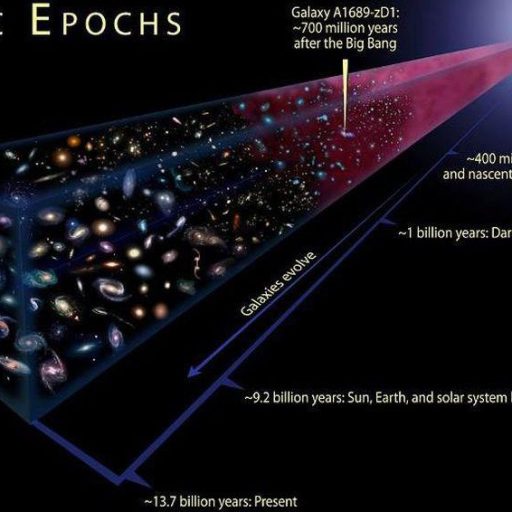
When the Hubble Space Telescope first launched in 1990, there was so much we didn't know. Here's how far we've come.