













Search
Decision Making
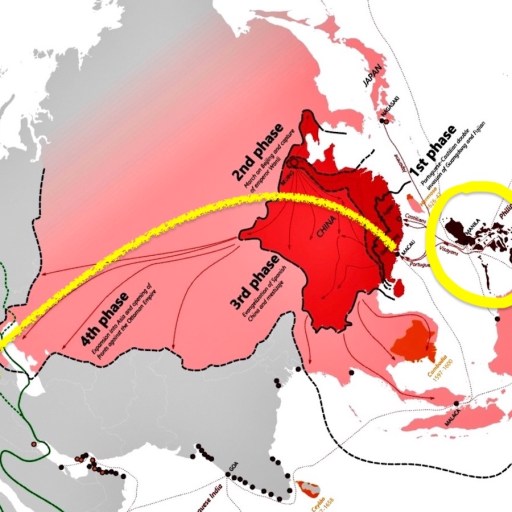
The plan — conquer China and push west to attack the Ottomans — was peak imperial hubris, as the Spanish themselves eventually realized.

An ode to the data visualization tools that help us see what is too vast, complex, or interconnected for the naked eye — from planetary systems to pandemic trends.
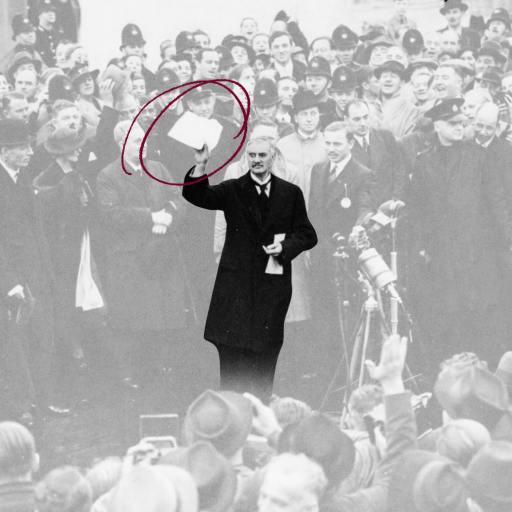
From Hitler to Hamas, Western powers have repeatedly dismissed open threats as bluffs — with catastrophic results.
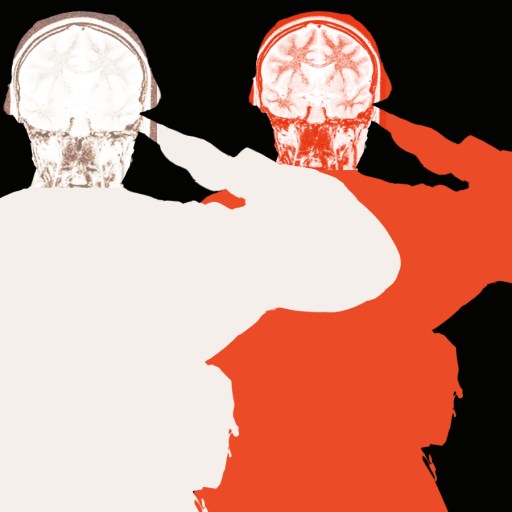
In “Warhead,” neuroscientist and national security adviser Nicholas Wright explains how the brain navigates warfare and why it is our ultimate weapon (and instrument for peace).

16mins
“No matter what their gods were, what they did for a living, what they wore, the songs they sang, everything varies except love, and everybody loves.”

In this excerpt from "Lucky By Design," Judd Kessler explains how opportunity costs shape our choices and why time is the real price we pay.

A preview of the latest novel by the Hugo- and Nebula-winning author.

A conversation with investor and author Alex Morris on what Warren Buffett and Charlie Munger can teach us about focus, discipline, and building a life that lasts.

The incredible story of how the US Army began the march toward generative AI in 1943 — and what it means for your business today.

Members
Behavioral economists Daniel Kahneman and Amos Tversky won the Nobel Prize for mapping the human mind's irrational decision-making biases, and now, with insights from Julia Galef of the Center for Applied Rationality, we can learn to avoid these pitfalls.

Members
Economist Larry Summers suggests that instead of judging decisions by their outcomes, we should evaluate them based on the rational process used to develop strategies, considering all relevant costs, benefits, and consequences.
Members
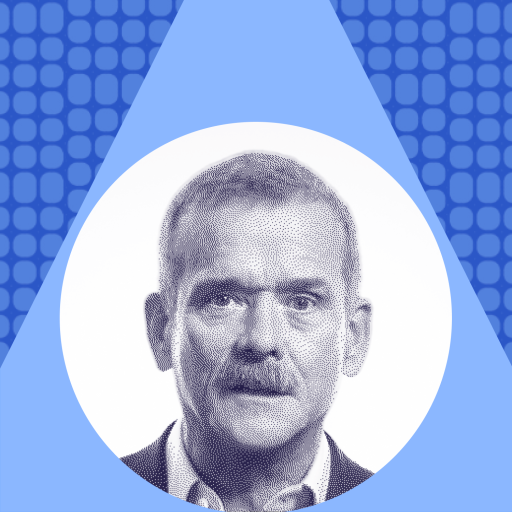
Astronauts like Chris Hadfield and Scott Parazynski exemplify risk mitigation, demonstrating that their contingency planning skills are applicable to various challenges on Earth, from budgeting to managing Fortune 500 companies.

Members
This class, featuring experts like Timothy, Herman, and Zollman, explores organizational culture and decision-making by emphasizing psychological qualities, diverse perspectives, and the importance of collaboration, trust, and organized skepticism to enhance team effectiveness and combat cognitive biases.

Members
This class explores human decision-making, emphasizing humility and data-driven analysis while addressing cognitive biases like availability bias and confirmation bias, ultimately equipping participants with strategies to improve judgment and navigate complex choices through a blend of psychological insights and practical applications.

Members
This course on strategic empathy, led by instructors like Amaryllis Fox and Liv Boeree, teaches participants to understand opposing viewpoints through "Red Teaming," while addressing cognitive biases and emphasizing the importance of historical context, cultural awareness, and ethical decision-making in complex global issues.

Members
This class explores human cognition and decision-making through insights from experts like Michio Kaku on magical thinking, Madhavan on systems-level thinking, Mlodinow on elastic thinking, Konnikova on deductive reasoning, and Summers on structured decision-making, promoting a scientific mindset for effective problem-solving.

A childhood spent under the spell of sleight-of-hand taught me skepticism, curiosity, and the habit of looking beneath appearances.
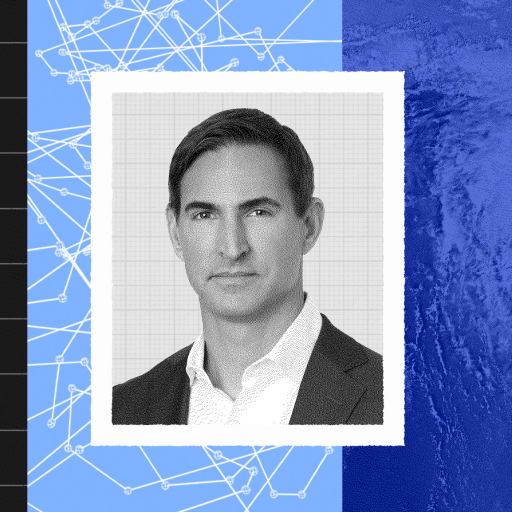
Brian Gumbel — President and Chief Operating Officer (COO) at Dataminr — explores the cutting edge of real-time information analysis.
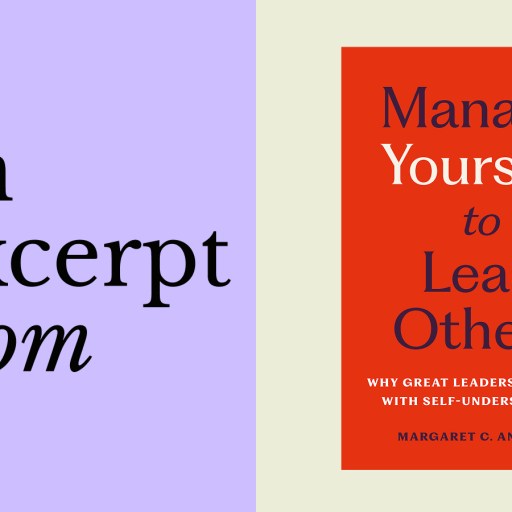
Aristotle taught that “knowing yourself is the beginning of all wisdom” — all leaders and teams should take note.

It's OK to hate a frigid pond.

5mins
“If you ask a computer, it will say, most of the time you want to either be raising or folding, right? You want to take an aggressive action or quit. I think this is a great metaphor for lots of things in real life, too.”
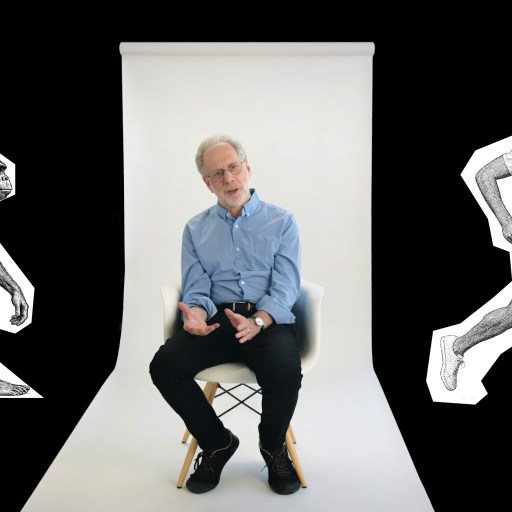
1hr 13mins
“Nothing about human behavior makes sense except in the light of culture and in anthropology, and we need to understand the cultural component to our behaviors as well.”
Welcome to The Nightcrawler — a weekly newsletter from Eric Markowitz covering tech, innovation, and long-term thinking.

A conversation about intelligence and consciousness with philosopher Peter Godfrey-Smith.

The overlooked reason why "AI consciousness" isn't coming anytime soon.
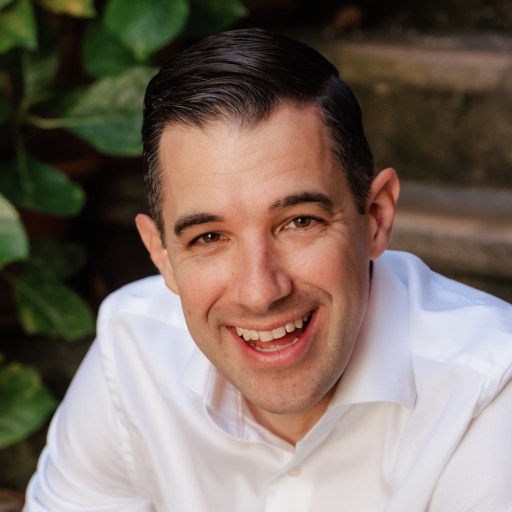
Fund manager and writer John Candeto is on a mission to decode the hidden patterns that drive extraordinary outcomes.
To navigate a heavyweight corporate quandary, take a leaf out of Intel’s brilliant playbook — walk out, and return as your own successor.
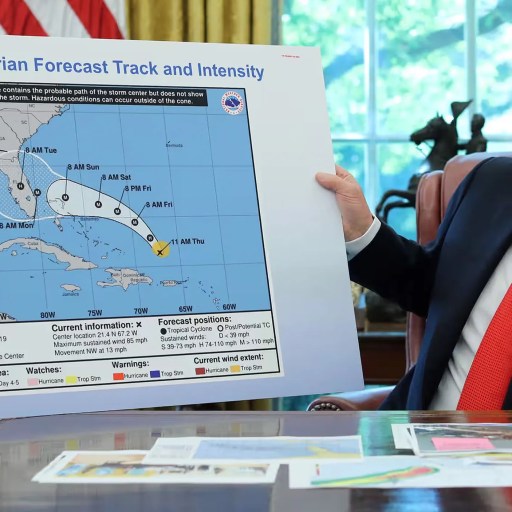
Einstein is credited with saying, "If the facts don't fit the theory, change the facts." What he actually said has a very different meaning.

13mins
“All information technologies up to the 21st century were organic networks based on our organic brain.”
Welcome to The Nightcrawler — a weekly newsletter from Eric Markowitz covering tech, innovation, and long-term thinking.