




















Search
Emotional Intelligence

58mins
Alain de Botton argues that our romantic lives are shaped more by the emotional patterns we learned in childhood than by destiny.

6mins
Happiness collapses the moment hardship arrives. Joy doesn’t. Historian Kate Bowler explains why joy can coexist with pain — and why that makes it a stronger, more fulfilling emotion.

10mins
Reflecting on the final moments she spent with her mother, and the weeks afterwards spent cataloging her life in objects and memories, Poet Laureate of the Ordinary Kelly Corrigan shares how important it is to attune, to behold, and to notice — even if it’s difficult or uncomfortable:

1hr 24mins
“There are at least three very much interrelated misconceptions about trauma right now.”
2mins
“In most instances, ‘good enough’ is good enough.” A time management expert, a cognitive scientist, and a psychologist share their takes on productivity, perfectionism, and the harm of hustle culture.
Unlikely Collaborators
3mins
From neuroscience to philosophy, experts reveal why compassion may be the most important human skill we have.
Unlikely Collaborators

21mins
“The idea is that we move from a place of wanting the world to conform to what we like [towards] not needing other people to be different from who they are.”
2mins
“The media is 10x more likely to describe experiences of being alone as negative, as compared to positive.” Psychologist Ethan Kross shares how reframing the idea of loneliness can help us feel more peace when we’re on our own.
2mins
A physician, a psychologist, and a mindfulness teacher explain what stress does to your body and mind, and how to use it to get smarter and stronger.
Unlikely Collaborators

1hr 2mins
“There's research showing that people who are curious, who ask questions, are not just happier, they're not just more successful, they also live longer.”

1hr 24mins
“There's a very pervasive belief that human nature is fundamentally selfish, but I know for a fact that that can't be true in part because my life was saved by a stranger a long time ago when I was 19.”

7mins
“Because of the efficiency worship that we have developed in our industrial age, we are now seeing procrastination as a character flaw rather than what it is, a signal that is worth listening to.”

6mins
“What did you win? You won awkward silence. You won their contempt. You won the first to apologize. When you win an argument, you will lose their confidence, you will lose their respect, you will lose the connection.”
2mins
Your body language sends messages before your mouth does. Author Robert Greene and negotiation expert Daniel Shapiro PhD explain the key characteristics of nonverbal power and emotional presence that shape how others perceive you.
Unlikely Collaborators
7mins
From trepanning to lobotomies, humans have long struggled to manage emotion. Today, we have better tools. Psychologist Ethan Kross shares what actually works, and why.

1hr 25mins
"Virtually everything we're taught about sexuality for the first two decades of our lives is wrong."
Why do we fall in love with one person over another? The late biological anthropologist Dr. Helen Fisher unpacks the evolutionary roots of romantic love, sex, and attachment. Using research […]
6mins
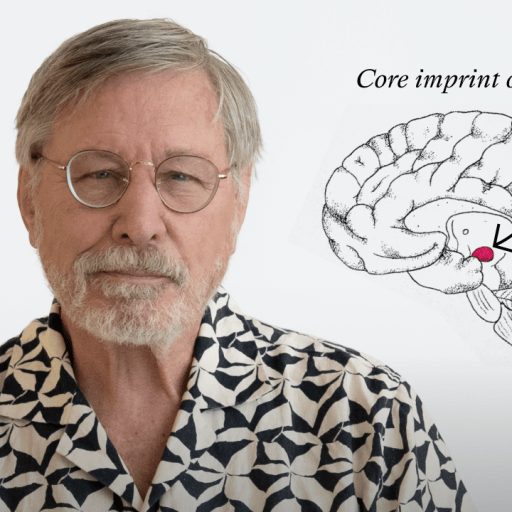
Psychiatrist Dr. Bessel van der Kolk discusses key methods for rewiring the brain, kickstarting the healing process, and opening your mind to new perspectives.
Unlikely Collaborators

5mins
"I think happiness is not a smiling face, it's more a smiling soul."

6mins
"You need to run towards the pain and darkness and not away from it. I think the best leaders always run towards the darkness. They always run towards a problem."
7mins
After decades of drug and alcohol abuse, the chef and television personality labeled himself as an ‘irredeemable human being.’ Everything changed when he found the courage to ask for help.
Unlikely Collaborators

8mins
“Self-awareness, it's the least visible part of emotional intelligence, but we find in our research that people low in self-awareness are unable to develop strengths very well in other parts of emotional intelligence.”

3mins
“Say what you want to say, and not what you feel.” Harvard happiness professor explains ‘metacognition’ techniques so you can grow your emotional intelligence:

9mins
Humans are among the most altruistic species that we’ve studied, due to our alloparental instincts – a trait we evolved into that allows us to care for offspring who are […]

7mins
Finding meaning isn’t just personally fulfilling — it’s critical to our brain’s development, explains USC neuroscientist.
7mins
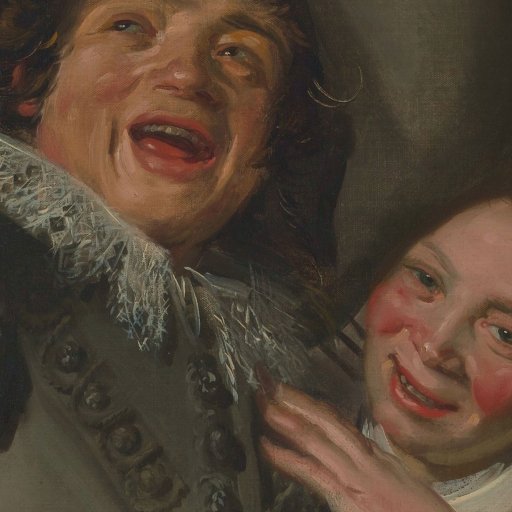
“Happiness is NOT about feelings.” Harvard happiness expert Arthur Brooks debunks the biggest myths about humanity’s most sought-after state, and explains how to actually get it.

11mins
Sure, IQ is important, but is as impactful as emotional intelligence? Renowned psychologist and author Daniel Goleman explains.
9mins
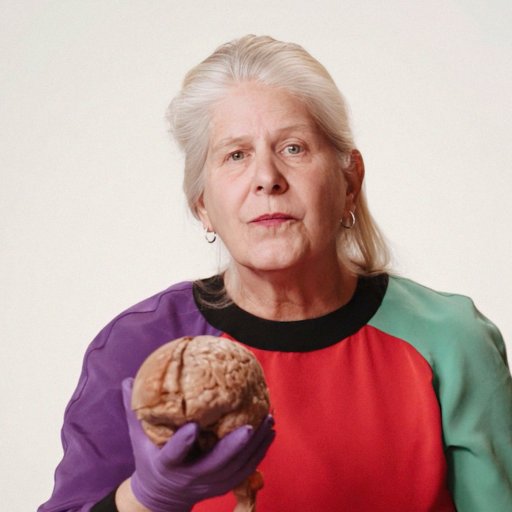
At age 37, neuroanatomist Dr. Jill Bolte Taylor suffered a stroke that would take her eight years to fully recover from. This is how it changed her understanding of the brain.
Unlikely Collaborators
9mins
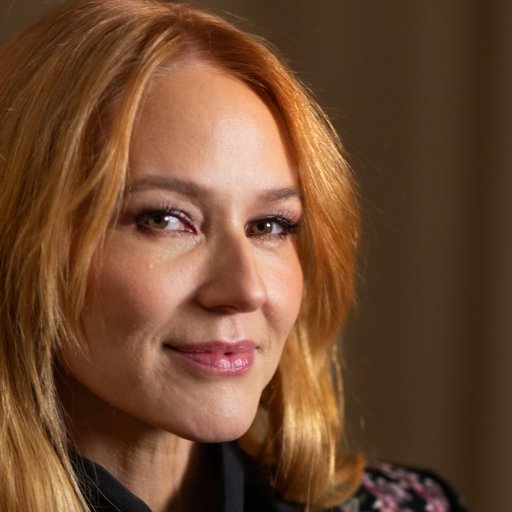
The Grammy-nominated artist reflects on a life of heartbreak and a future full of hope.
Unlikely Collaborators

7mins
Are you convincing everyone you’re smart, or accidentally alienating them? Here’s how to find out.