









Search
Emotional Regulation

20mins
“It's certainly clear that the issues of boys and men haven't gone away in the last few years. If anything, they're getting even more attention, which is good when it's the right kind of attention.”

59mins
"One of the largest mitigating factors against getting traumatized is who is there for you at that particular time."
Members
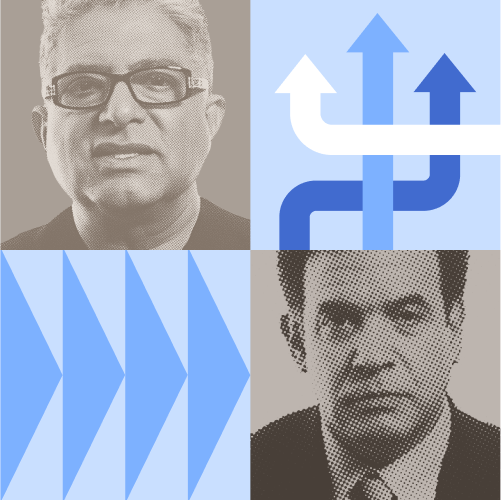
Deepak Chopra and Harvard neurobiologist Rudolph Tanzi advocate for "radical well-being," emphasizing that optimal health relies on proactive measures—such as sleep, nutrition, exercise, and emotional regulation—rather than reactive responses to health issues.

In this excerpt from "When Everyone Knows That Everyone Knows...," Steven Pinker examines how crying may have evolved as part of a suite of emotional expressions aimed at strengthening social bonds.

2mins
Modern culture has made us feel like there’s no time to be patient. Sarah Schnitker’s lab at Baylor University is researching how this often-forgotten virtue could improve our overall well-being.

9mins
“You can be aware of sadness from a point of view that is not merely sad, and you can be aware of fear from a point of view that's not merely afraid.”
7mins
“Because of the efficiency worship that we have developed in our industrial age, we are now seeing procrastination as a character flaw rather than what it is, a signal that is worth listening to.”

5mins
What happens when the boundaries of “you” disappear? James Fadiman, PhD, Jamie Wheal, and Matthew Johnson, PhD explore how supported experiences with psychoactive drugs can dissolve identity and reveal a deeper reality.
Unlikely Collaborators
7mins
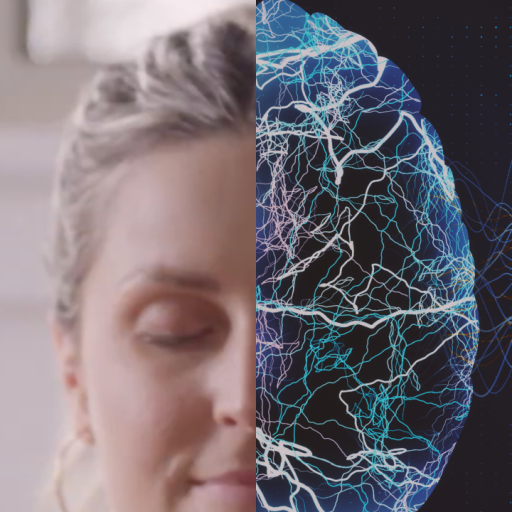
Three doctors break down brain function, somatic awareness, and how to recover from bad experiences.
Unlikely Collaborators
1hr 1mins
“We can make ourselves more likely to be happy by building a life that includes the conditions that make for happiness.”

7mins
From trepanning to lobotomies, humans have long struggled to manage emotion. Today, we have better tools. Psychologist Ethan Kross shares what actually works, and why.

It’s something to wrestle and live with, says behavioral scientist Arthur Brooks.