















Search
General Relativity

We've long known we can't go back to infinite temperatures and densities. But the hottest part of the hot Big Bang remains a cosmic mystery.
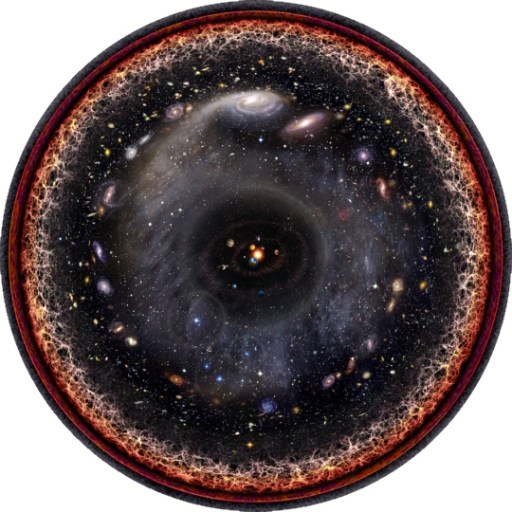
If you think of the Big Bang as an explosion, we can trace it back to a single point-of-origin. But what if it happened everywhere at once?

As we gain new knowledge, our scientific picture of how the Universe works must evolve. This is a feature of the Big Bang, not a bug.
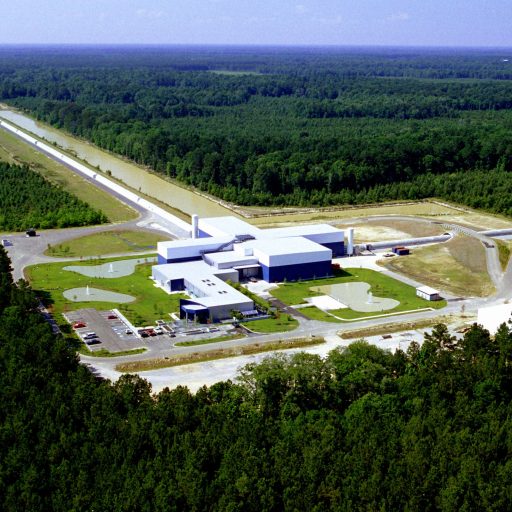
10 years ago, LIGO first began directly detecting gravitational waves. Now better than ever, it's revealing previously unreachable features.
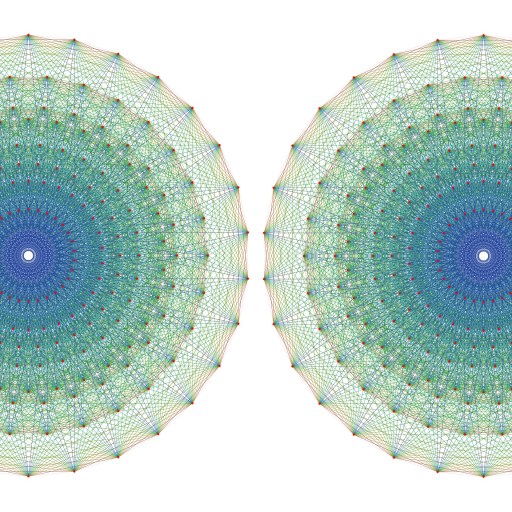
The Holy Grail of physics is a Theory of Everything: where a single equation describes the whole Universe. But maybe there simply isn't one?

Since even before Einstein, physicists have sought a theory of everything to explain the Universe. Can positive geometry lead us there?
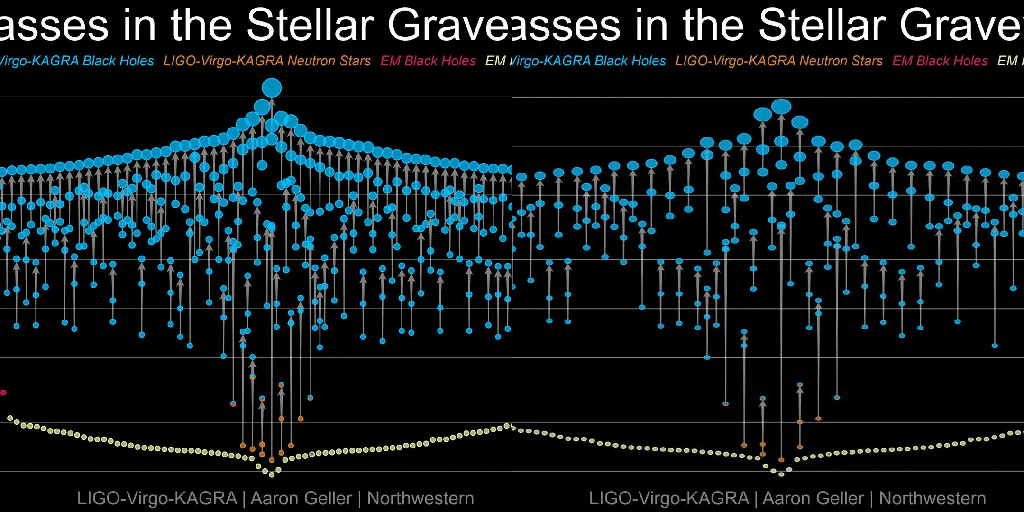
10 years ago, LIGO saw its first gravitational wave. After 218 detections, our view of black holes has changed forever. Can this era endure?
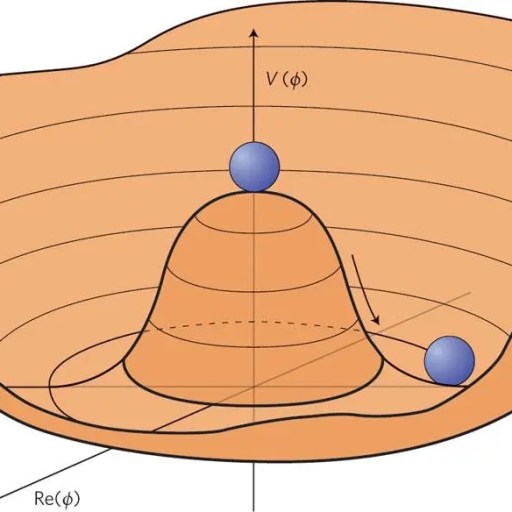
Throughout history, "free energy" has been a scammer's game, such as perpetual motion. But with zero-point energy, is it actually possible?

Just 13.8 billion years after the hot Big Bang, we can see 46.1 billion light-years away in all directions. Doesn't that violate...something?
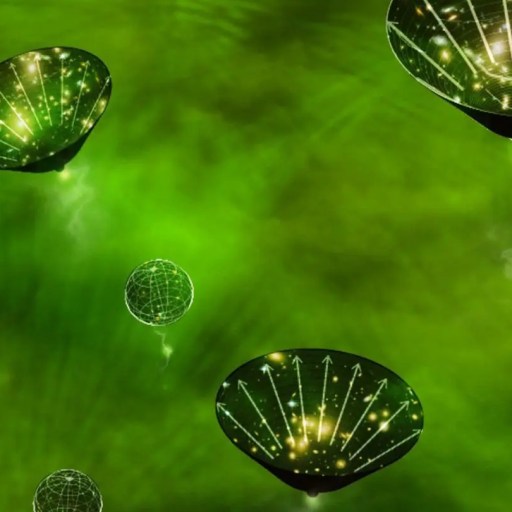
Once you cross a black hole's event horizon, there's no going back. But inside, could creating a singularity give birth to a new Universe?
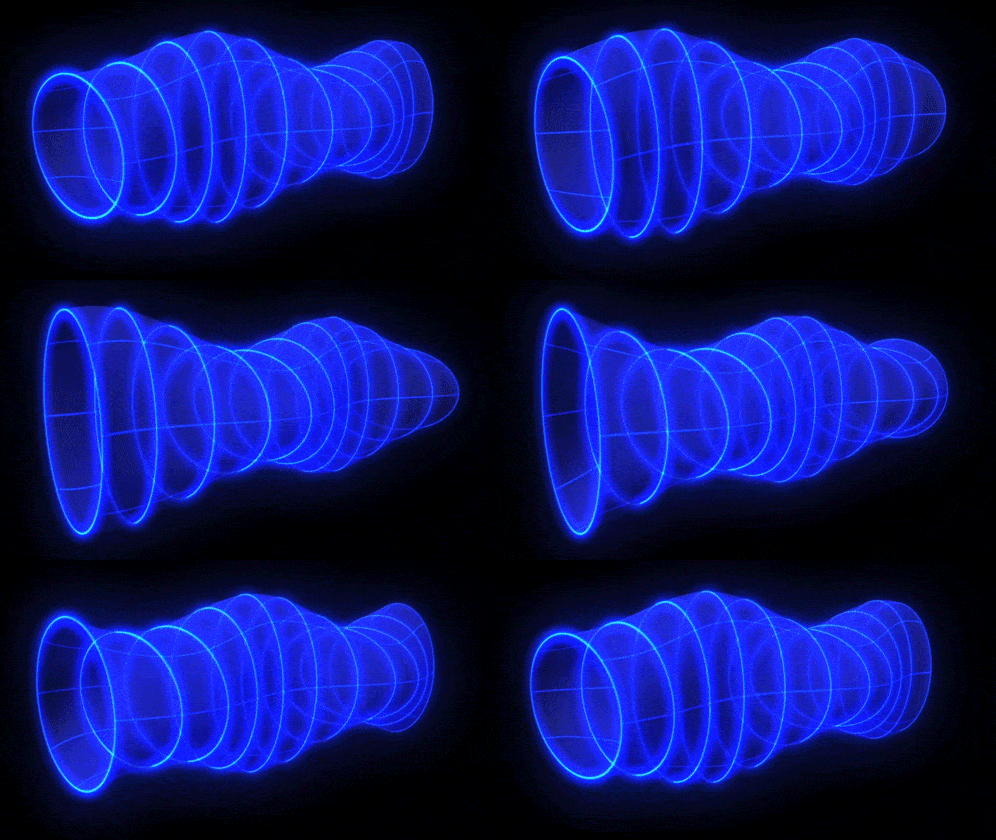
With over 300 high-significance gravitational wave detections, we now have a huge unsolved puzzle. Will we invest in finding the solution?