




















Search
Mindfulness

25mins
“We can use neuroscience and tools from psychology to learn how to take advantage of anxiety.” From Zen Buddhism to flow state, these 3 experts explain how to hack your brain.

25mins
"The big question then is why are most people resilient and why are some people not resilient?"

11mins
Having explored the Mariana Trench, the summit of Everest, and the edge of space, Victor Vescovo knows what awe feels like in its most dramatic forms. What surprised him most was how often that same feeling appears in everyday life.

1hr 24mins
“There are at least three very much interrelated misconceptions about trauma right now.”

21mins
“The idea is that we move from a place of wanting the world to conform to what we like [towards] not needing other people to be different from who they are.”
3mins
Philosophy asks if free will is real. Neuroscience reveals why the answer is more complicated than we expected.
Unlikely Collaborators
2mins
A physician, a psychologist, and a mindfulness teacher explain what stress does to your body and mind, and how to use it to get smarter and stronger.
Unlikely Collaborators

1hr 2mins
“There's research showing that people who are curious, who ask questions, are not just happier, they're not just more successful, they also live longer.”
6mins
Everything you experience is filtered through your brain, and everyone’s brain is different. Neuroscientist Christof Koch explains how understanding this can deepen your connection to the world around you.
Unlikely Collaborators
2mins
Happiness researchers Robert Waldinger MD, Tal Ben-Shahar PhD, and Peter Baumann explain why the happiest people aren’t happy all the time.
Unlikely Collaborators

9mins
“You can be aware of sadness from a point of view that is not merely sad, and you can be aware of fear from a point of view that's not merely afraid.”

7mins
“Because of the efficiency worship that we have developed in our industrial age, we are now seeing procrastination as a character flaw rather than what it is, a signal that is worth listening to.”

17mins
“Anxiety is focused on things that are important to you in life. That is the key.”
7mins
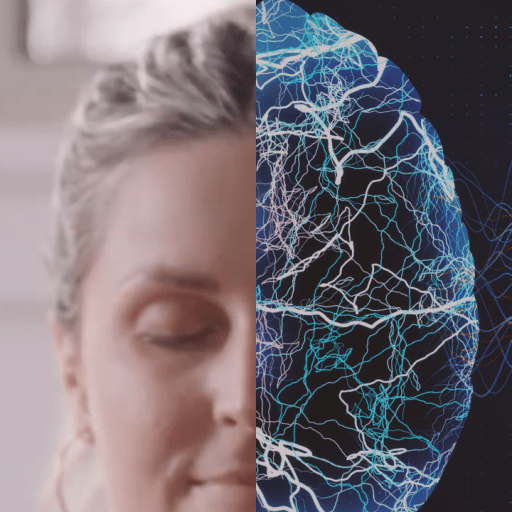
Three doctors break down brain function, somatic awareness, and how to recover from bad experiences.
Unlikely Collaborators

1hr 1mins
“We can make ourselves more likely to be happy by building a life that includes the conditions that make for happiness.”

18mins
“By not focusing on the outcome and instead designing a tiny experiment, what you can do is letting go of any definition of success, letting go of that binary results that you're looking for, and instead focusing something that makes you feel curious and that you want to explore.”

1hr 25mins
"Virtually everything we're taught about sexuality for the first two decades of our lives is wrong."

21mins
"You can't possibly exaggerate how much better it is to live in a peaceful, orderly society, and to be wealthy, and healthy, and surrounded by people who you love."

32mins
"Plato would argue that sex in and of itself is not what true love is. Sex can reach a point where you are in union with that person, where you see behind their appearances and you see behind the flesh and you experience something which is more transcendental."

49mins
"We try to stick to routines and we try to go through very long lists of tasks, often ignoring our mental health in the process. There is a lot more to think about on a daily basis, but our brains haven't evolved."

1hr 41mins
"We're awash in lies and misinformation to a degree that was not possible before we got the internet and in particular before we got social media."

8mins
Many of us wake up each morning with something Oliver Burkeman calls “productivity debt.” The bestselling author and journalist explains this term as “a sense that you’ve got to work […]

10mins
“Many people get stuck in feeling responsible for their psychological state, and there's a way in which simply being with whatever uncomfortable emotions rather than believing that you are controlling them can be extremely beneficial for psychological wellbeing.”

7mins
Challenging the loneliness stigma can change your life. Here’s how to start.
Unlikely Collaborators
9mins
Dr. Aditi Nerurkar on toxic resilience and the importance of gratitude and breathing.
Unlikely Collaborators

2mins
Traditional definitions of wellbeing focus on the absence of mental illness or disease. But true wellbeing goes beyond that, says this neuroscientist.

7mins
“Happiness is NOT about feelings.” Harvard happiness expert Arthur Brooks debunks the biggest myths about humanity’s most sought-after state, and explains how to actually get it.
9mins
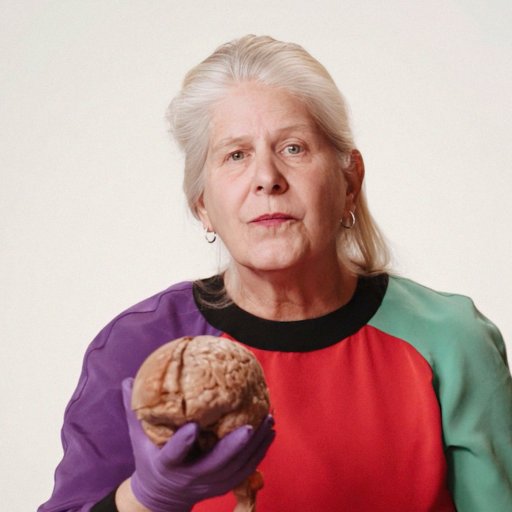
At age 37, neuroanatomist Dr. Jill Bolte Taylor suffered a stroke that would take her eight years to fully recover from. This is how it changed her understanding of the brain.
Unlikely Collaborators
6mins
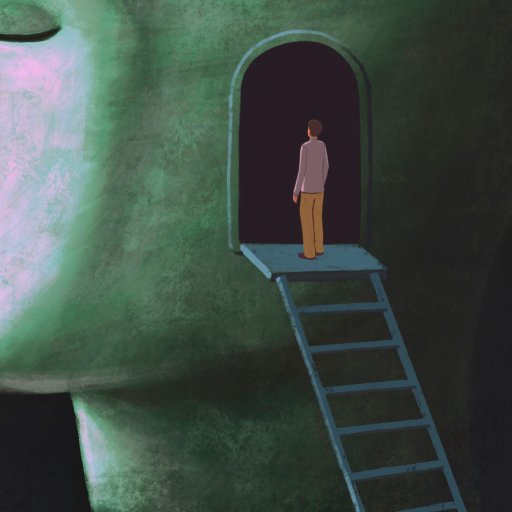
Psychologist Daniel Goleman on how to train your brain with just ten minutes a day.

6mins
Pathologically busy people clamoring for happiness. Founder of HATCH Monica Parker explains how we can do so much better than that.