




















Search
Neuroscience
6mins
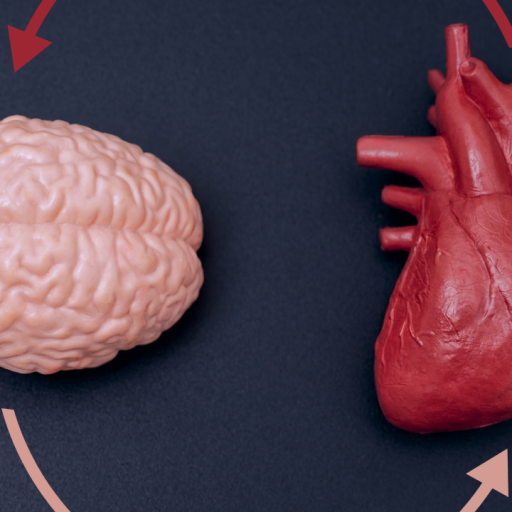
You've heard of the mind-body connection. But have you ever actually tried to understand your own? Three scientists break down the feedback loop running your brain and body — and what becomes possible when you learn to use it.
Unlikely Collaborators
6mins
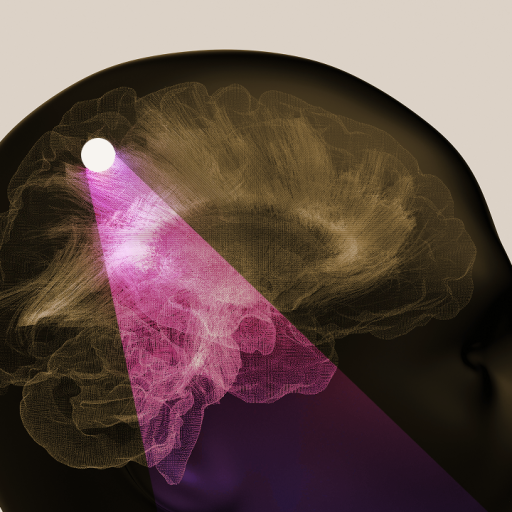
The voice in your head feels like your own, but it’s actually constructed by neurological processes. Three experts explain how this system shapes both perception and identity.
Unlikely Collaborators

4mins
Have you ever woken up after a dream and thought to yourself, “That made absolutely no sense”? According to modern neuroscience, there’s a reason why dreams feel so abstract and bizarre. Two sleep experts discuss.
Unlikely Collaborators

1hr 7mins
Members
Neuroscientist David Linden sheds light on the biology behind phenomena that medicine has long struggled to explain, from voodoo death and broken heart syndrome to the placebo effect, and why grief shows up in autopsy results

13mins
Jim Al-Khalili introduces the technologies emerging from the second quantum revolution.

18mins
Abigail Marsh unpacks what defines psychopathy, how it differs from antisocial behavior, and why terms like “sociopath” only add confusion.

19mins
"I call it a tyranny of attention because there's so many demands on our attention coming from so many different directions that we are simply overwhelmed and we don't have the mental bandwidth to cope with it."

53mins
Members
“Our conscious awareness is everything. And the fact that it's still so mysterious to scientists and to all of humanity, the fact that it's still one of the great unsolved mysteries makes it something that everyone can be excited about and that inspires awe in everyone.”

1hr 23mins
Why social media is the perfect recipe for kids to become addicted to their smartphones.

7mins
Members
We tend to trust our intuitions about consciousness because they feel immediate and personal, but feeling convinced is not the same as being right. Annaka Harris explores what happens when […]
2mins
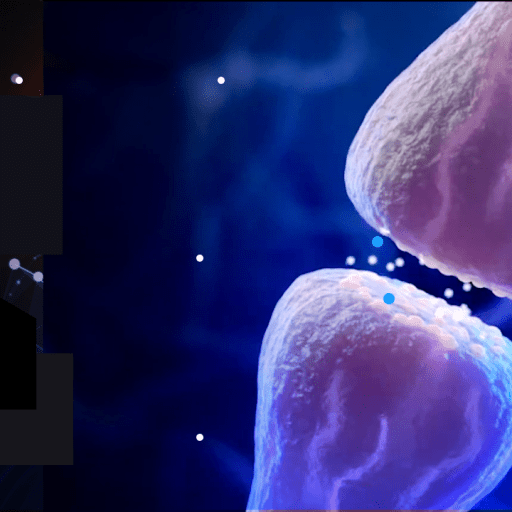
Our brains weren’t built for the amount of info we deal with now. That’s why scientists have made the case for a “second brain” — a place to dump ideas so you can actually see how they connect later.
Unlikely Collaborators
12mins
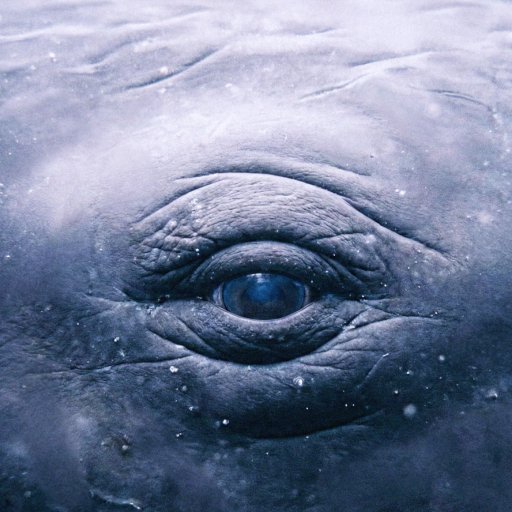
Ninety million years after our lineages split, humans are beginning to listen to whales in a new way. Marine biologist David Gruber shares the work that has become his life’s pursuit: learning how to hear the planet’s largest mammals.

2hr 9mins
“Psychedelics crosscut so many interesting domains. They've been used for time immemorial by indigenous cultures. In our own Western cultural history, they really exploded on the scene in the 1960s, and were associated with radical changes to society.”
3mins
The brain is an “illusion factory.” Here’s what that means for our perception of time.
Unlikely Collaborators

1hr 12mins
“Consciousness is fundamental. It's a fundamental property of the world that we inhabit, a fundamental property of the universe.”
3mins
From neuroscience to philosophy, experts reveal why compassion may be the most important human skill we have.
Unlikely Collaborators
3mins
Philosophy asks if free will is real. Neuroscience reveals why the answer is more complicated than we expected.
Unlikely Collaborators
6mins
Daily habits can help you thrive or quietly turn into addictions. The difference is how your brain handles cues, routines, and rewards. Three experts explain how to work with your wiring instead of against it.
Unlikely Collaborators
3mins
Language is a huge part of human development, even the language we keep to ourselves. Three experts explain how words and beliefs can change our brains and our lives:
Unlikely Collaborators

59mins
"One of the largest mitigating factors against getting traumatized is who is there for you at that particular time."

8mins
"If you're interested in human performance, what you want is something that's reliable and repeatable, and thus you want neurobiology because neurobiology gives you mechanism."
7mins
How can the brain — a piece of matter — love? Physics and chemistry explain the material world, but they can’t explain why it feels like something to be alive. This is the mystery of consciousness, according to these experts.
Unlikely Collaborators

9mins
“The sexual excitation system is the accelerator or the gas pedal, and it notices all the sex-related information in the environment.”

2mins
Modern culture has made us feel like there’s no time to be patient. Sarah Schnitker’s lab at Baylor University is researching how this often-forgotten virtue could improve our overall well-being.
6mins
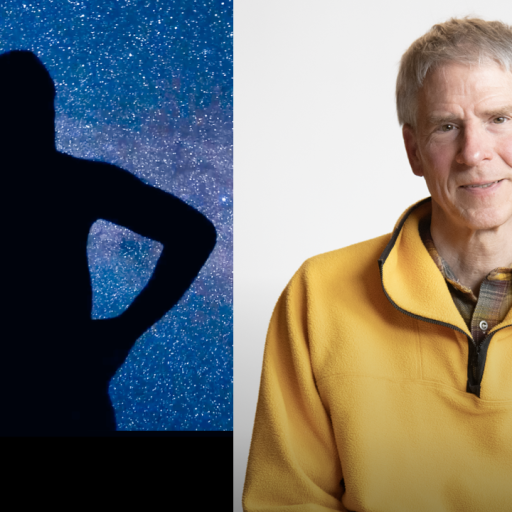
Everything you experience is filtered through your brain, and everyone’s brain is different. Neuroscientist Christof Koch explains how understanding this can deepen your connection to the world around you.
Unlikely Collaborators
3mins
Biologist Tyler Volk PhD, psychiatrist Bruce Greyson MD, and palliative care physician BJ Miller MD, reveal how confronting mortality can improve the way we live.
Unlikely Collaborators
7mins
A neuroscientist, a psychologist, and a psychotherapist discuss how emotions are stories built from old experiences.
Unlikely Collaborators
3mins
Humans have always had religion. What does this say about our minds? Reza Aslan PhD, Lisa Miller PhD, and Rob Bell MDiv explain.
Unlikely Collaborators

2mins
Many of us rely on emotional advice that doesn’t actually work. Psychologist Ethan Kross offers a smarter, science-backed approach to managing emotions with flexibility and perspective.

1hr 24mins
“There's a very pervasive belief that human nature is fundamentally selfish, but I know for a fact that that can't be true in part because my life was saved by a stranger a long time ago when I was 19.”