


Research Ethics

Research Ethics

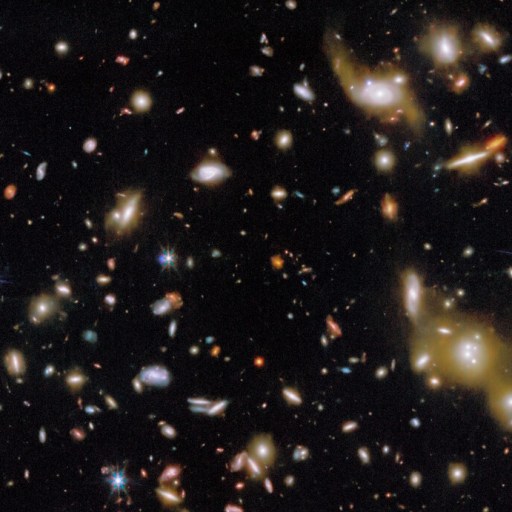
A view of deep space showing numerous galaxies of various shapes and sizes scattered across a dark background.
To learn how our Universe grew up, we have to look at large numbers of galaxies at all distances to find out. Good thing we have JWST!
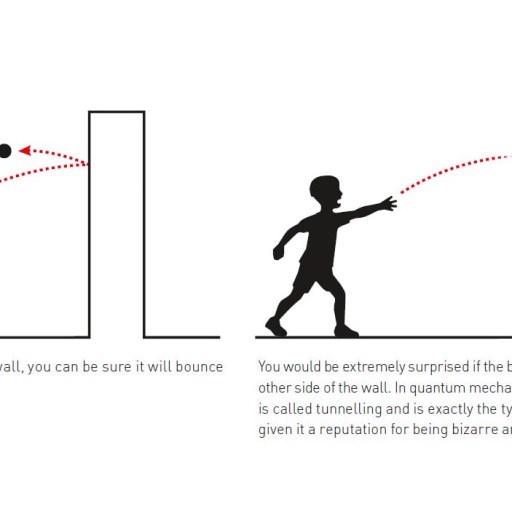
Two illustrations: on the left, a ball bounces back after hitting a wall; on the right, inspired by quantum advances, the ball passes through—echoing breakthroughs honored with the Nobel Prize in Physics. A child throws the ball in both scenarios.
Quantum mechanics was first discovered on small, microscopic scales. 2025's Nobel Prize brings the quantum and large-scale worlds together.
An astronaut stands proudly on the moon's surface near scientific equipment and a lunar lander, as the American flag waves in the background, symbolizing a pioneering USA nation.
As October begins, thousands of longtime NASA employees are leaving the agency. 4000+ will exit by January 9, 2026, changing NASA forever.
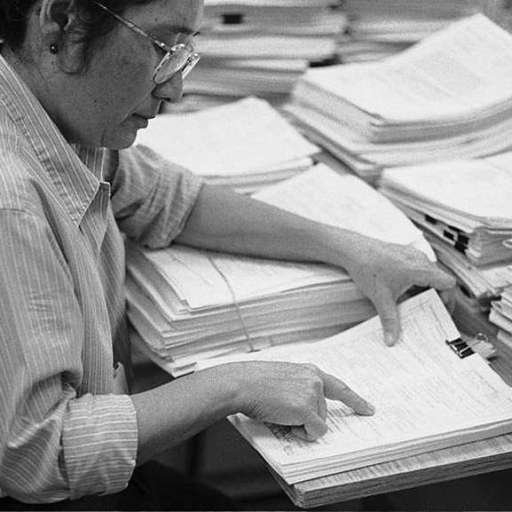
A woman sits at a desk covered with tall stacks of papers, reviewing and pointing to documents as she conducts a purpose-driven peer review in a busy office setting.
Just because a paper passes peer review doesn't mean that what's written, or what the author asserts, is true. Here's why it still matters.
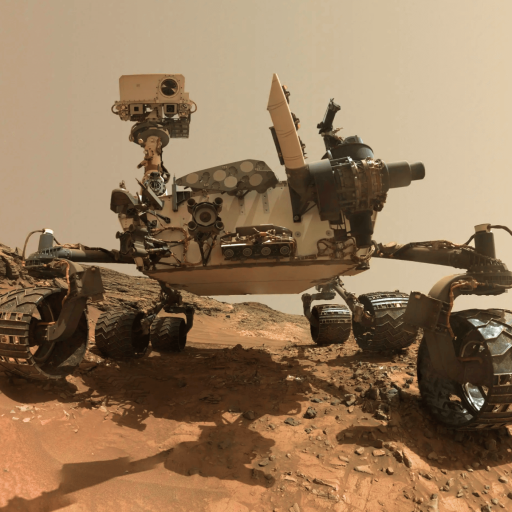
Mars rover on rocky terrain, showing its camera mast, equipment, and six wheels against a dusty, reddish Martian landscape.
Organic compounds can form through simple chemistry alone — making the search for true biosignatures trickier than it seems.

An older man with long white hair and a suit looks at the camera, standing in front of a blurred background with bookshelves.
12 min
"We're stuck at type zero. But what would it take to move between universes? What would it take to enter a black hole? What would it take to break the light barrier?"
Split image: Left side has the words "an excerpt from" on a red background; right side features the book cover "There's Got to Be a Better Way" by Repenning & Kieffer, highlighting insights on dynamic work design with a butterfly illustration.
MIT Sloan’s Nelson P. Repenning and Donald C. Kieffer outline their tried-and-tested solution for stubborn workflow blockages.
Abstract collage with a butterfly, brain sketches, graphs, and scientific diagrams overlaid with red, black, and beige shapes and textured patterns.
A conversation with neuroscientist Erik Hoel about the future of consciousness research.
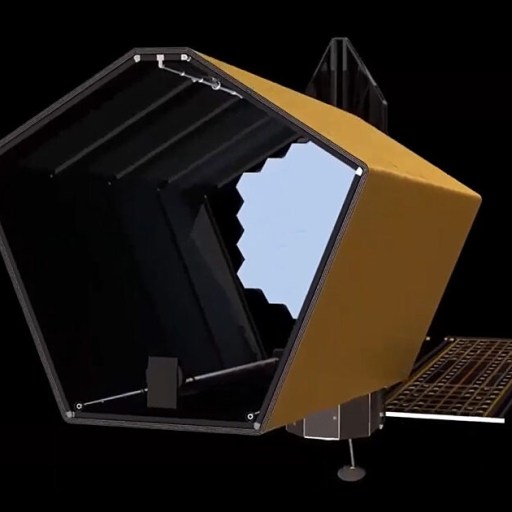
A hexagonal telescope with a gold exterior and an open, black interior is shown against a black background, highlighting NASA habitable worlds observatory science.
At the end of July, hundreds of scientists convened to plan NASA's upcoming astrophysics flagship mission. Will the US allow it to happen?
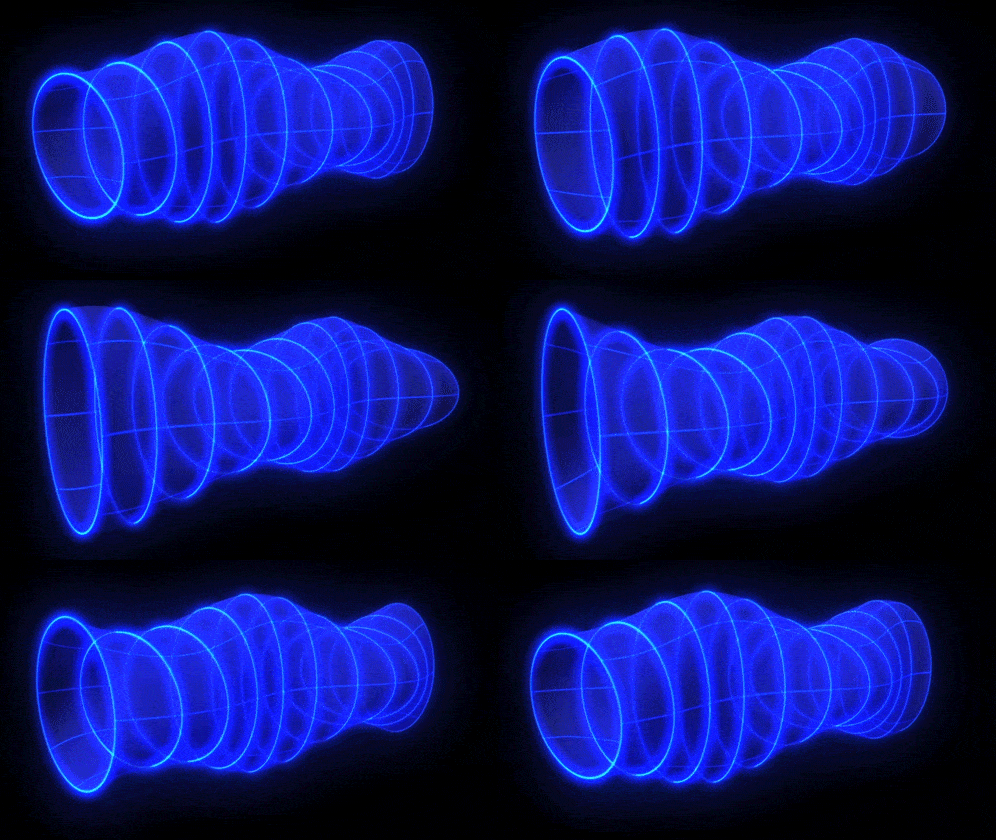
gravitational wave effects on spacetime
With over 300 high-significance gravitational wave detections, we now have a huge unsolved puzzle. Will we invest in finding the solution?