




















Search
Resilience

25mins
“We can use neuroscience and tools from psychology to learn how to take advantage of anxiety.” From Zen Buddhism to flow state, these 3 experts explain how to hack your brain.

21mins
Archaeologist Eric Cline has spent his career forensically reconstructing why the Bronze Age collapsed, and the answer is far stranger and more unsettling than a single catastrophic event.

22mins
Historian Eric Cline illuminates the 400-year period following ancient collapse that shaped the modern world.

1hr 43mins
Historian Eric Cline argues the Bronze Age collapse wasn't the work of one invading force or one bad harvest, but something far harder to stop: An overly interdependent system that had no way to absorb multiple shocks at once.

19mins
"I call it a tyranny of attention because there's so many demands on our attention coming from so many different directions that we are simply overwhelmed and we don't have the mental bandwidth to cope with it."
10mins
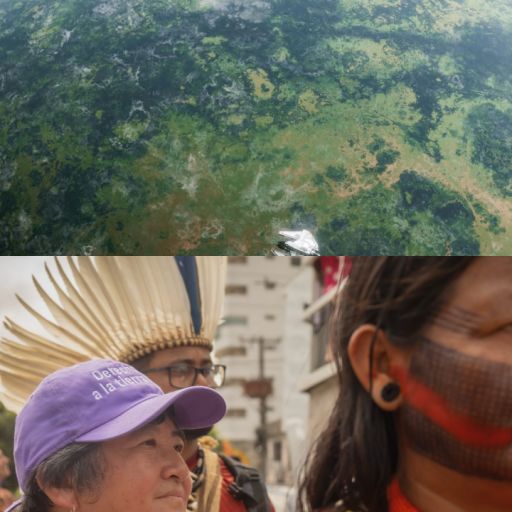
At COP30, Indigenous leaders came with a message the world can’t ignore: 5% of the global population is safeguarding 80% of Earth’s biodiversity. A $1.8B pledge was made to support their land rights — but will the money follow their lead?
Skoll Foundation

6mins
Happiness collapses the moment hardship arrives. Joy doesn’t. Historian Kate Bowler explains why joy can coexist with pain — and why that makes it a stronger, more fulfilling emotion.

1hr 51mins
Stoicism has been flattened into slogans about toughness, detachment, and emotional silence, a version that’s easy to sell, but mostly wrong. Massimo Pigliucci returns Stoicism to its original purpose: a […]

25mins
"The big question then is why are most people resilient and why are some people not resilient?"

6mins
There’s bad failure — the kind we ignore or hide — and good failure, which becomes data for future progress. Three experts discuss how to tell the difference.
Unlikely Collaborators
11mins
Having explored the Mariana Trench, the summit of Everest, and the edge of space, Victor Vescovo knows what awe feels like in its most dramatic forms. What surprised him most was how often that same feeling appears in everyday life.

1hr 24mins
“There are at least three very much interrelated misconceptions about trauma right now.”

9mins
“There would be something very, very empty and meaningless about [a] sort of life with no problems.”
2mins
“The media is 10x more likely to describe experiences of being alone as negative, as compared to positive.” Psychologist Ethan Kross shares how reframing the idea of loneliness can help us feel more peace when we’re on our own.
2mins
A physician, a psychologist, and a mindfulness teacher explain what stress does to your body and mind, and how to use it to get smarter and stronger.
Unlikely Collaborators

1hr 2mins
“There's research showing that people who are curious, who ask questions, are not just happier, they're not just more successful, they also live longer.”
3mins
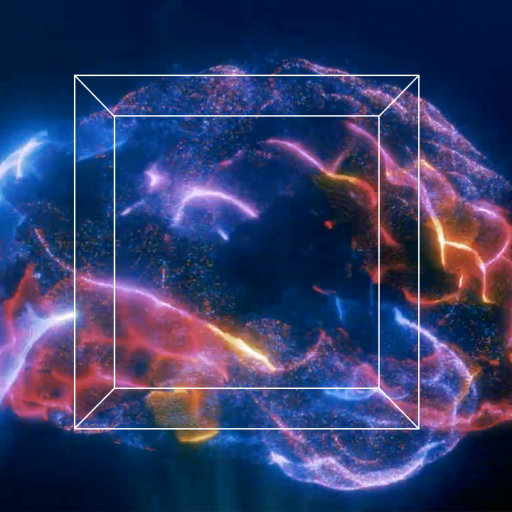
Humans have always had religion. What does this say about our minds? Reza Aslan PhD, Lisa Miller PhD, and Rob Bell MDiv explain.
Unlikely Collaborators

7mins
“The simplest, most powerful way to reinforce work, not jobs, is to ask people to do something different.”

1hr 3mins
“The public really doesn't realize that they are much closer to CIA spies than they think they are.”
8mins
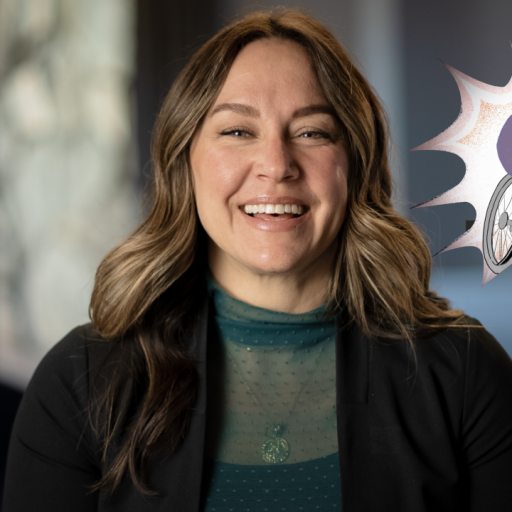
Rediscovering competition in an unexpected place helped her rewrite what was possible — and go on to win gold.
Unlikely Collaborators

7mins
"I'd prefer to think about a different axis, which is, should government be more or less effective? Should government work faster or slower?"

18mins
“The fear of panic has killed more people than most disasters themselves.”

10mins
“The voice in your head is not you. You are listening to that voice. It’s a heckler, trying to make you feel bad.”
8mins
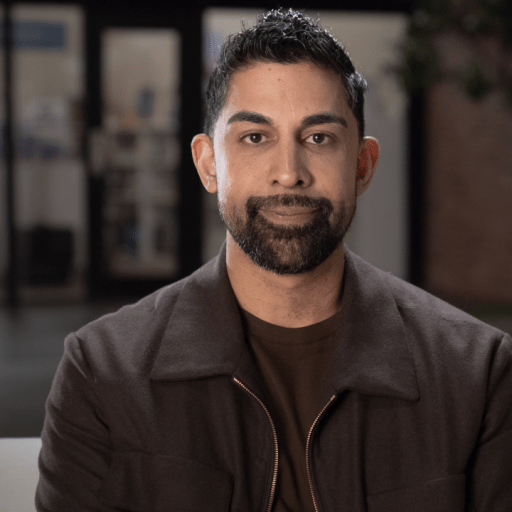
How the 40-year-old entrepreneur and media mogul learned from his struggles, and why he believes accountability is the real secret to happiness.
Unlikely Collaborators

6mins
"You need to run towards the pain and darkness and not away from it. I think the best leaders always run towards the darkness. They always run towards a problem."

7mins
The New York Times bestselling author and founder of Going With Grace shares how close confrontations with death inspired her to change her life.
Unlikely Collaborators
6mins
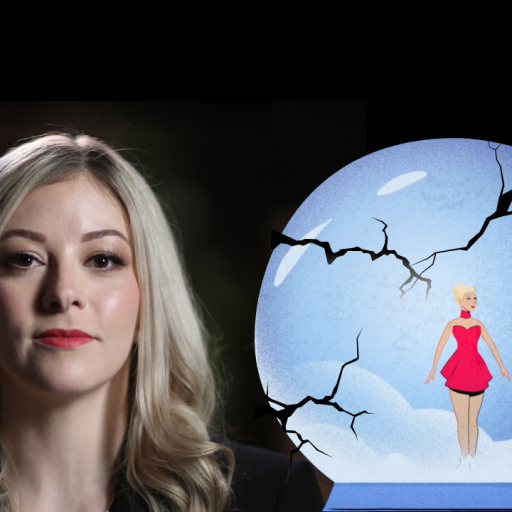
She’s a fierce competitor on the ice. But the figure skater’s toughest battle has been accepting her shortcomings and learning to love herself.
Unlikely Collaborators
7mins
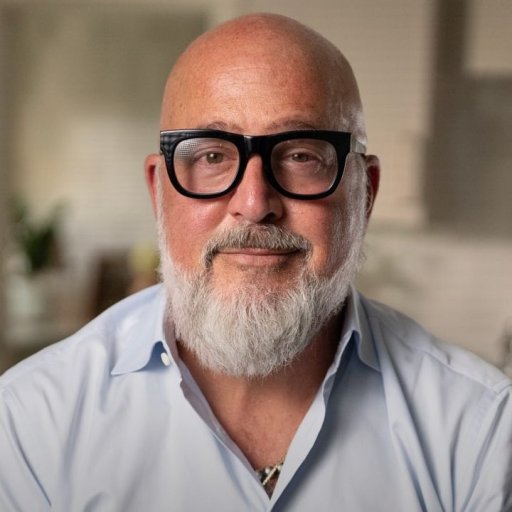
After decades of drug and alcohol abuse, the chef and television personality labeled himself as an ‘irredeemable human being.’ Everything changed when he found the courage to ask for help.
Unlikely Collaborators
7mins
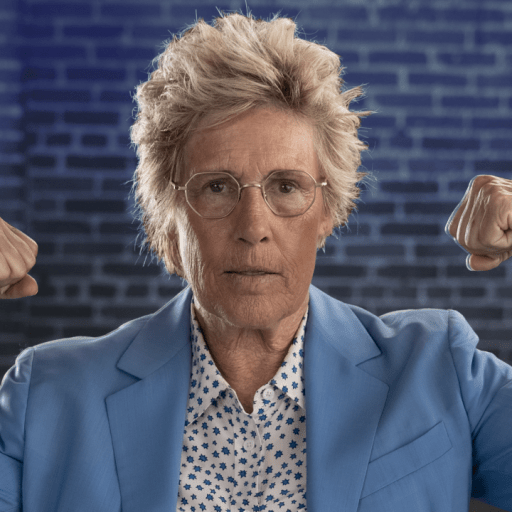
From anger to awe: How one woman overcame “debilitating trauma” to conquer a near-impossible 53-hour swim at 64.

8mins
“Self-awareness, it's the least visible part of emotional intelligence, but we find in our research that people low in self-awareness are unable to develop strengths very well in other parts of emotional intelligence.”